

Compressed Earth Block Machine vs Predecessor: Factory Direct
Higher tonnage does not guarantee better bricks; hydraulic synchronization and mold alignment precision do.
Upgrading from a legacy compressed earth block machine is rarely about chasing higher hourly output numbers on a spec sheet. The real value lies in reducing operational downtime through faster hydraulic response, improved demolding precision, and access to a localized spare parts supply chain that older European or legacy models often lack. For investors in emerging markets, the decision to replace aging equipment should be driven by total cost of ownership over a three-year cycle, not just the initial purchase price or brand prestige.
I still remember standing at the bauma exhibition in Hannover years ago, viewing equipment from the buyer’s perspective. A client from West Africa was looking to set up a compressed earth block production line. We compared three European manufacturers and two domestic Chinese suppliers. He ultimately chose the lowest-priced option from a well-known European legacy brand, convinced that the brand name guaranteed stability and after-sales support. The result was a harsh lesson in reality. When critical mold wear parts failed, he faced a delay of several months before they arrived. The production line stood idle for nearly a quarter of the year. The financial loss from that downtime far exceeded the savings he thought he had made. That experience shifted my perspective entirely. I began to understand that the gap between predecessor series and new generation machines is not just about raw pressure, but about hydraulic response speed, demolding accuracy, and the responsiveness of the spare parts supply chain. [NEED_CITE: impact of spare parts lead time on construction project ROI]
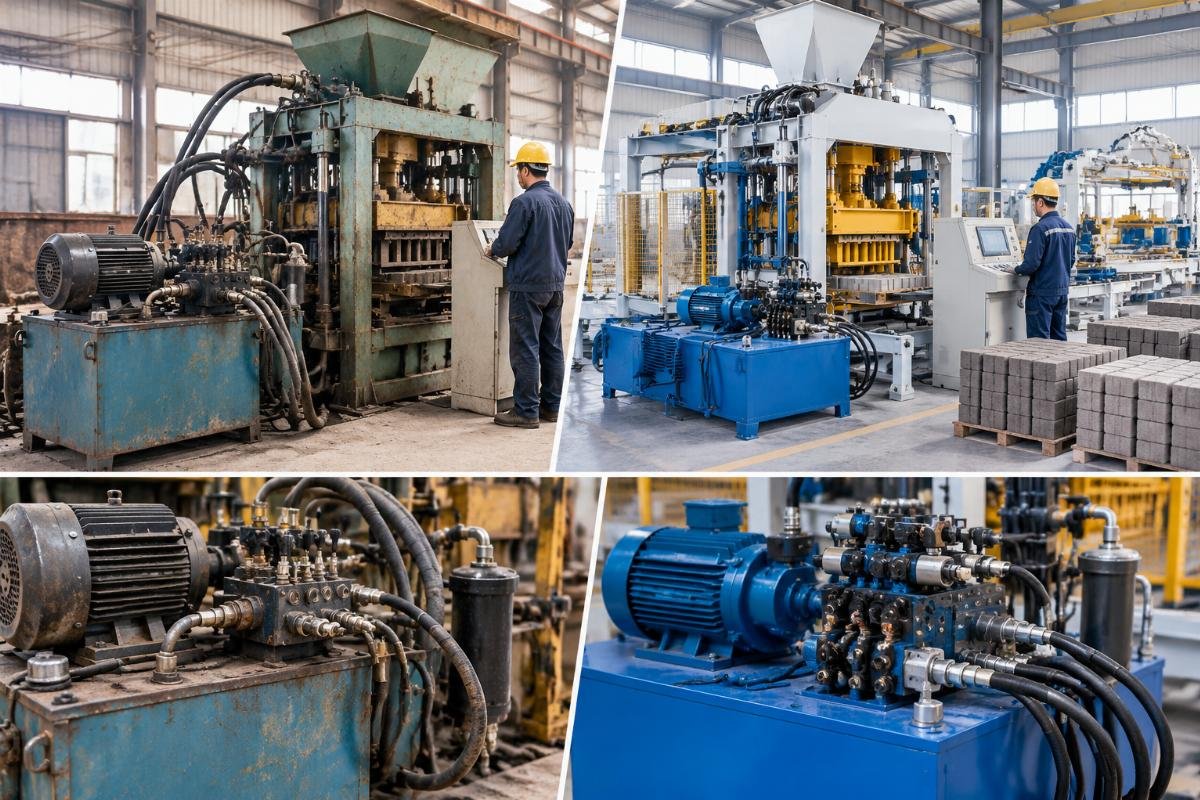
Many buyers focus intensely on the initial price tag, but the real cost is determined by spare parts availability and cycle time stability over thirty-six months of operation. This guide breaks down why modern iterations outperform their predecessors and how to evaluate them correctly.
Why Do Predecessor Models Fail in Modern High-Demand Projects?
Legacy machines often struggle with continuous twenty-four-seven operation due to outdated hydraulic seals and non-modular designs. In the early days of compressed earth block technology, the focus was on mechanical simplicity. However, as demand for affordable housing and infrastructure projects grew in Africa, Latin America, and Southeast Asia, the limitations of these older designs became apparent.
The primary failure point in predecessor series is the hydraulic system. Older models typically use slower valve responses and less sophisticated sealing technologies. Under high-frequency cycling, these seals degrade rapidly, leading to pressure drops and inconsistent block density. [NEED_CITE: common hydraulic failure modes in heavy construction machinery] Furthermore, the non-modular design of many legacy units means that replacing a single worn component often requires disassembling large sections of the machine, resulting in extended downtime.
A project in Southeast Asia highlighted this issue clearly. The operator was using a semi-automatic machine from a previous generation. As production targets increased, the machine could not keep up with the required cycle times without frequent manual intervention. The labor force had to be expanded significantly to manage the bottlenecks, eroding the profit margins. When they switched to a fully automatic QT series machine, the need for manual handling dropped noticeably, and output consistency improved substantially. The reduction in labor requirements alone justified the upgrade, but the real gain was in the reliability of the production schedule.
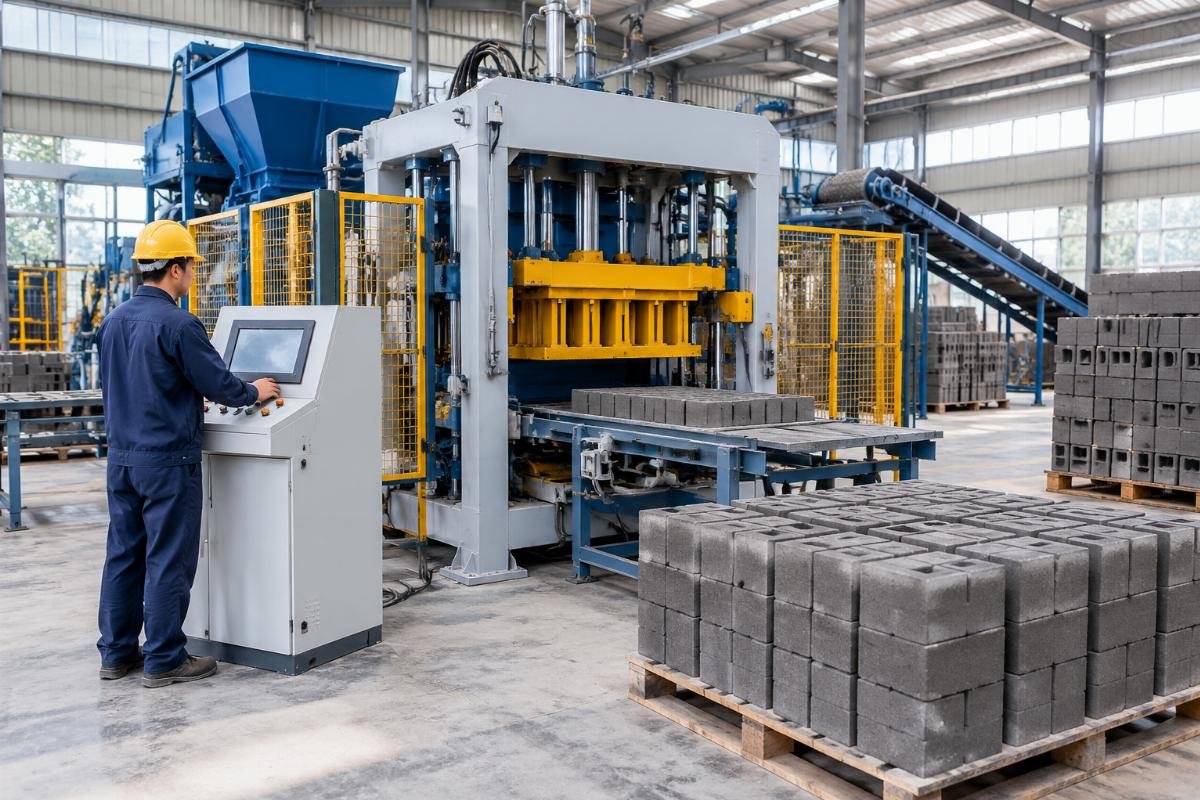
The shift from manual to automated control systems in new series addresses these inefficiencies. Modern PLC automation reduces the frequency of manual intervention, ensuring that each block is produced with uniform pressure and dimensions. This consistency is critical for meeting international construction standards such as ASTM or ISO, which are increasingly required for government tenders and large-scale infrastructure projects. [NEED_CITE: ISO standards for compressed earth blocks]
Key Technical Upgrades: What Actually Changed in New Series?
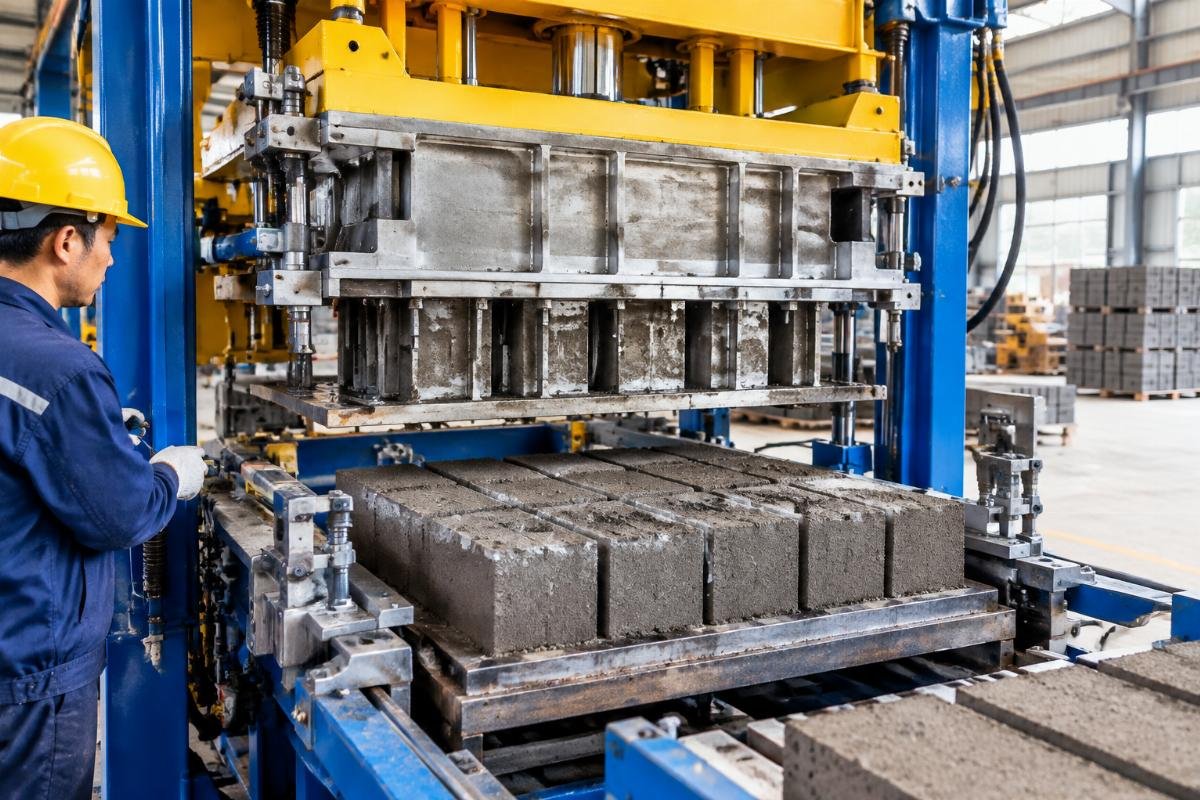
Most buyers assume that higher tonnage pressure equals better brick quality. This is a common misconception. The true reason for improved performance in new series lies in mold alignment precision and hydraulic synchronization speed. If the mold does not align perfectly during the compression phase, the resulting block will have weak points and uneven surfaces, regardless of the pressure applied.
Newer generations of compressed earth block machines feature advanced hydraulic systems with faster response times. This allows for quicker cycle times without sacrificing compaction quality. The hydraulic cylinders are synchronized more precisely, ensuring that pressure is distributed evenly across the mold cavity. This reduces wear on the mold itself and extends its service life. [NEED_CITE: relationship between hydraulic synchronization and mold wear]
Additionally, the demolding mechanism has seen significant improvements. In older models, demolding was often a rough process that could damage the edges of the blocks, especially when using dry or semi-dry mixes. New series incorporate precise demolding plates and vibration systems that release the block gently, maintaining its structural integrity and aesthetic appeal. This is particularly important for interlocking pavers and decorative blocks, where edge quality is a key selling point.
Energy efficiency is another area where new series outperform their predecessors. Modern PLC controls optimize the power usage of the hydraulic pumps and motors, reducing energy consumption per thousand blocks produced. For plants operating in regions with high electricity costs or unstable power supplies, this efficiency gain can translate into significant cost savings over time.
The integration of smart diagnostics in newer models also provides a layer of protection against unexpected failures. Sensors monitor key parameters such as oil temperature, pressure levels, and cycle counts. If any parameter deviates from the normal range, the system alerts the operator, allowing for preventive maintenance before a breakdown occurs. This proactive approach to maintenance is a stark contrast to the reactive repairs often required with legacy equipment.
The Hidden Cost: Spare Parts Supply Chain Reality
One of the most overlooked aspects of buying a compressed earth block machine is the spare parts supply chain. Many buyers believe that European brands offer superior after-sales support. In reality, local distributor markups and logistics delays often exceed the support provided by factory-direct suppliers.
Consider the case of a distributor in Latin America who compared local assembly options with factory-direct turnkey solutions. The local option seemed attractive due to the perceived ease of communication. However, when critical components failed, the local distributor had to order parts from the manufacturer in Europe. The lead time was extensive, and the costs were inflated by multiple layers of markup. In contrast, a factory-direct supplier like Shiyue offers express spare parts services via DHL or FedEx, ensuring that critical components arrive within days rather than months. [NEED_CITE: average lead times for industrial machinery spare parts from different regions]
The availability of spare parts is not just about convenience; it is about business continuity. A delay of even a few weeks can halt production, leading to missed deadlines and penalty clauses in construction contracts. For private block plant investors, this risk is unacceptable. They need a supplier who can guarantee the availability of wear parts such as molds, seals, and hydraulic hoses.
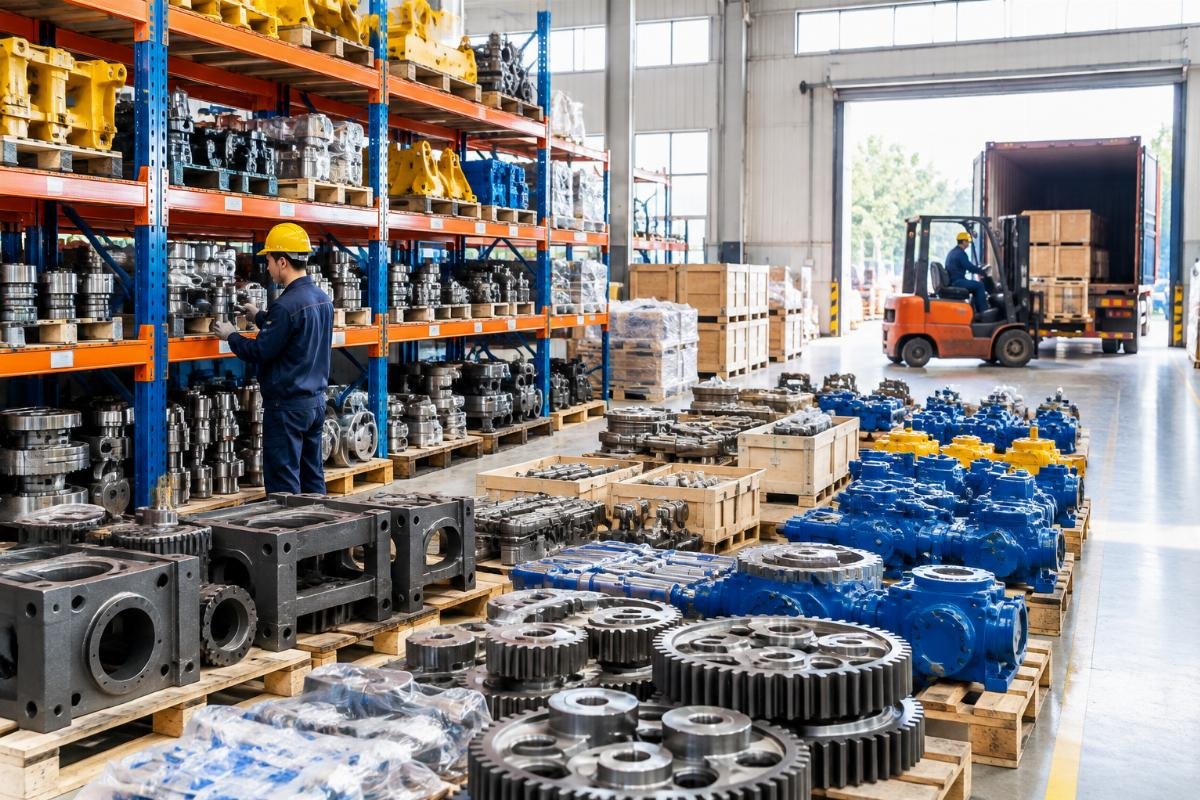
Factory-direct pricing also plays a crucial role in the total cost of ownership. By eliminating intermediaries, manufacturers can offer competitive prices for both the initial machine and subsequent spare parts. This direct relationship also facilitates better technical support, as engineers from the factory can provide remote diagnostic assistance and troubleshooting guidance. For emerging market investors, this level of support is invaluable, especially when local technical expertise is limited.
ROI Analysis: Is Upgrading Worth the Investment?
Calculating the return on investment for upgrading to a new series compressed earth block machine requires looking beyond the initial purchase price. The break-even point is determined by increased output, reduced labor costs, and minimized downtime.
For established manufacturers looking to expand capacity, the transition from manual or semi-automatic units to high-output lines like the QT10-15 or QT12-15 can significantly boost productivity. The increase in hourly output allows them to take on larger contracts and meet tighter deadlines. Additionally, the reduced need for manual labor lowers operational costs and minimizes the risk of human error. [NEED_CITE: labor cost reduction trends in automated manufacturing]
Private block plant investors benefit from the quick payback period offered by modern machines. With higher efficiency and lower maintenance costs, the initial investment can be recovered in a shorter timeframe. Equipment financing options and ROI analysis tools provided by specialized manufacturers can help investors make informed decisions. These tools consider factors such as local raw material costs, energy prices, and market demand for blocks.
It is also important to consider the residual value of the equipment. Newer machines with advanced features and better build quality tend to retain their value better than older models. This makes them a more attractive asset for investors who may look to upgrade or sell their equipment in the future.
How to Choose the Right Model for Your Specific Soil Mix?
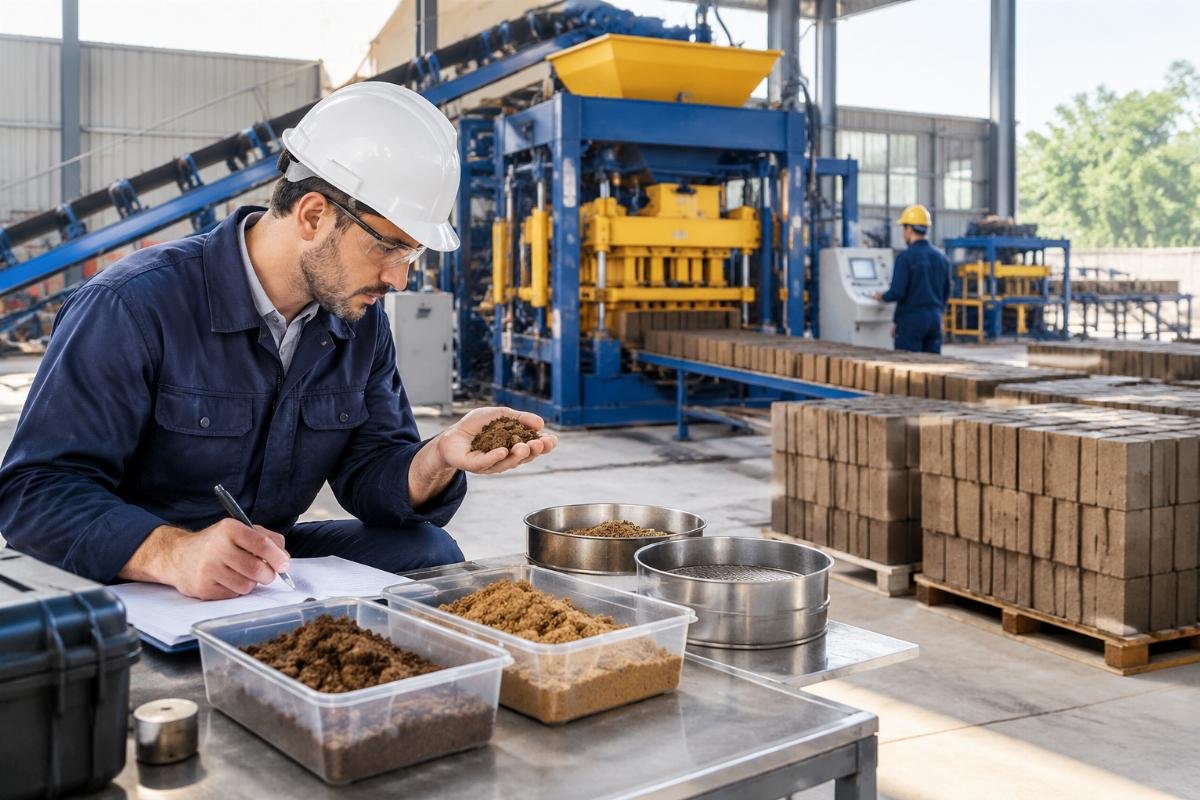
Selecting the right model involves matching machine specifications with local raw material characteristics and production targets. Different soil mixes require different compression forces and mold configurations. For example, clay-rich soils may require different mold coatings and compression settings compared to sandy or gravelly mixes.
Manufacturers like Shiyue offer a range of models from the QT4-15 to the QT12-15, each designed for specific production capacities and material types. The QT4-15 is suitable for smaller operations or startups, while the QT12-15 is ideal for large-scale industrial production. Understanding the properties of your local soil is crucial for optimizing machine performance and block quality. [NEED_CITE: soil classification and its effect on compressed earth block production]
Consulting with experienced engineers can help identify the best configuration for your specific needs. They can analyze your soil samples and recommend the appropriate mold sets, compression ratios, and curing methods. This tailored approach ensures that your production line operates efficiently and produces high-quality blocks that meet local building codes.
In conclusion, upgrading from a predecessor compressed earth block machine is a strategic decision that impacts long-term operational stability and profitability. By focusing on hydraulic response, mold precision, and spare parts availability, investors can avoid the pitfalls of legacy equipment and achieve sustainable growth.
Choose reliability over reputation, and supply chain speed over brand name.
The evolution of CEB technology has shifted the focus from raw power to intelligent efficiency. For buyers in emerging markets, the right partner is one who provides not just a machine, but a complete solution that includes training, support, and a reliable flow of spare parts.

Industry expert sharing insights about concrete machinery, block making technology and turnkey production solutions.
View all posts →
Leave a Reply