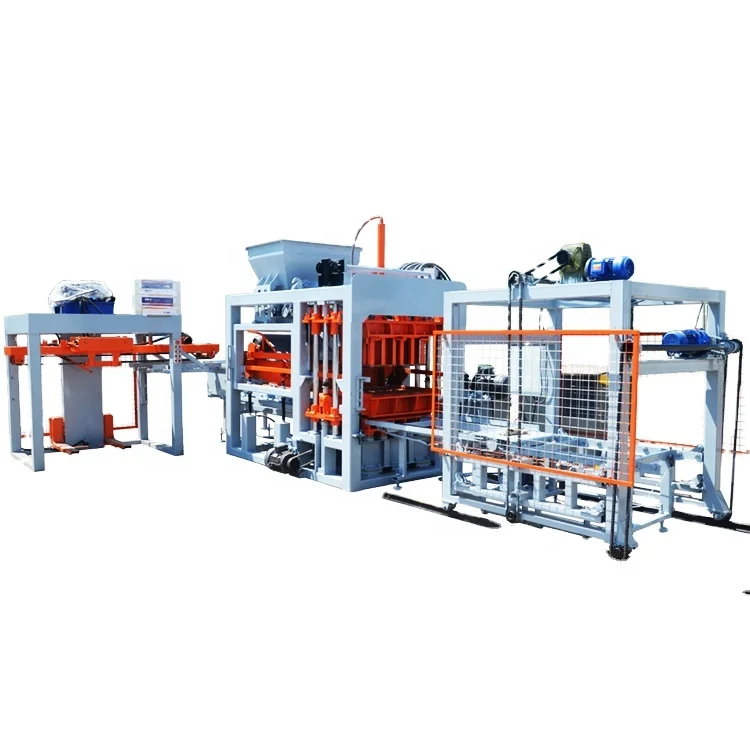
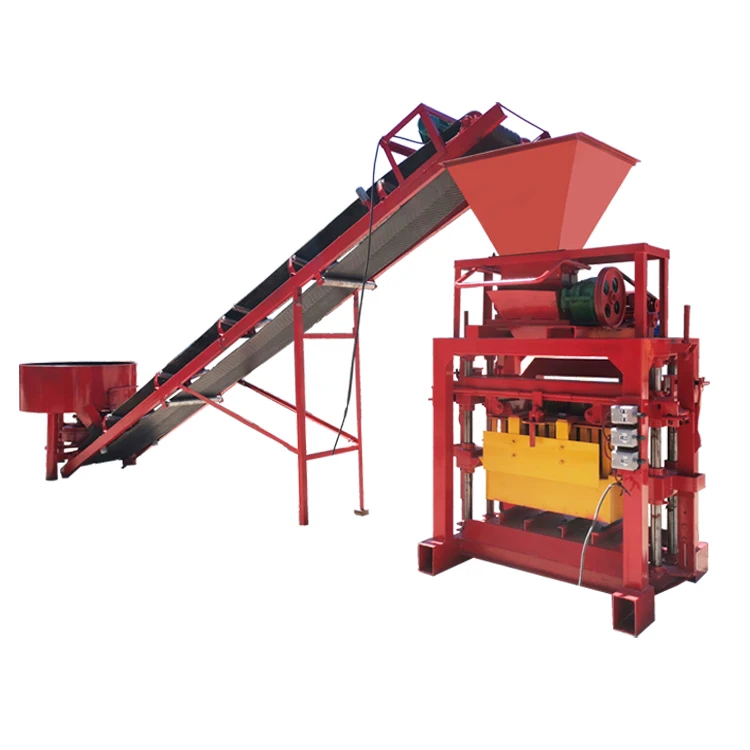
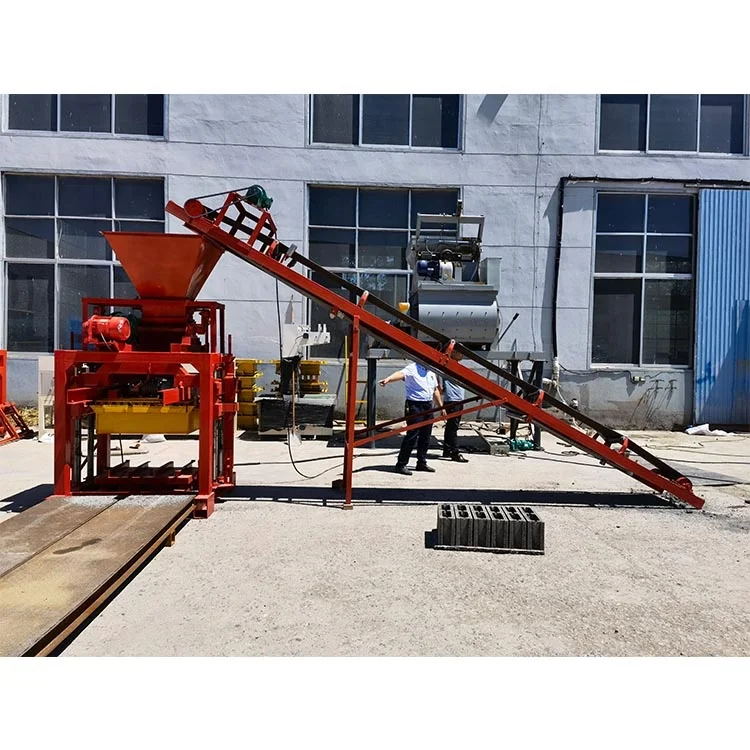
Vibration Tuned to Mix — The QT8-15 platform vibration and hydraulic pressure are matched to the buyer’s aggregate and block format rather than set to a catalogue default, preventing the output drop that occurs when a machine meets unfamiliar local material.
Technical Specifications
| Parameter |
Value |
| Model |
QT8-15 |
| Product Type |
Hydraulic Block Making Machine |
| Overall Dimensions (L×W×H) |
8300×1860×3000 mm |
| Rated Pressure |
21 MPa |
| Main Vibration Form |
Platform Vibration |
| Vibration Frequency |
2800–4500 r/min |
| Vibration Force |
45 kN |
| Pallet Size |
950×900 mm |
| Molding Cycle |
15–20 s |
| Overall Power |
55.5 kW |
| Total Mass |
8 T |
| Demolding Method |
Hydraulic |
| Factory Area |
300 m² |
| Output Capacity |
(basis to be confirmed — depends on block format, wall thickness, and mix design) |
| Warranty |
1 year (without spare parts) |
Application Suitability
| Application |
Material or Output |
| Hollow block production |
Crushed stone, sand, cement, fly ash, gravel, slag |
| Solid block manufacturing |
Dense aggregate blends with cement binder |
| Paving brick and colored paver runs |
Fine sand and pigment mixes on 950×900 mm pallets |
| Interlocking block and curbstone |
Coarse aggregate with hydraulic press consolidation |
What "15–20 Second Cycle" Actually Means for Daily Output
A cycle time only translates to real throughput when the block format, mix consistency, and pallet handling are all stated upfront.
Buyers often see a molding cycle figure and multiply it across an eight-hour shift, arriving at a daily number that never materializes on the shop floor. The gap usually comes from pallet changeover, mould swap delays, or a mix that does not flow cleanly into the hopper. I have watched a QT8-15 block machine manufacturer quote arrive with a headline cycle number and no format assumption attached, leaving the buyer to discover the real output during commissioning [NEED_CITE: common discrepancies between quoted and actual block machine output]. Confirming which block format the cycle time references — hollow, solid, paver, or interlocking — removes that gap before the order is placed.

Where the QT8-15 Sits in the Output Tier Range
The QT8-15 occupies the medium-to-high tier within a full block machine range, positioned above semi-automatic workshop machines and below large-scale automatic lines that run continuous stacking and cubing. For a buyer setting up a first plant or expanding an existing line, this model covers the volume needed for regional block supply without the capital commitment of a fully automated facility. The 950×900 mm pallet size defines the maximum block footprint per cycle, and the range of applicable products — from hollow blocks to curbstones — means the same platform serves multiple market segments.
Footprint and Line Placement for Plant Planning
A 300 m² factory area requirement signals how much floor space the press, mixer, pallet circulation, and curing racks will occupy together. The QT8-15 block machine manufacturer recommendation accounts for the press envelope of 8300×1860×3000 mm plus clearance for raw material feeding on one side and cured block removal on the other [NEED_CITE: typical block plant layout spacing standards]. Planning the curing rack arrangement and forklift travel paths around this footprint prevents bottlenecks that no cycle time figure can overcome.
Reading the Specs That Shape Block Quality
The 21 MPa rated hydraulic pressure and 45 kN vibration force work together: pressure compacts the mix vertically while platform vibration at 2800–4500 r/min settles aggregate particles into a dense matrix. If vibration frequency is too low for a coarse gravel mix, the block surface shows voids; if pressure is insufficient for a fine sand blend, demolding causes edge crumbling. The 15–20 s molding cycle allows enough dwell time for hydraulic consolidation across standard hollow block walls, though thicker formats like curbstones may require the upper end of that range. The 55.5 kW overall power must be matched to site voltage and frequency before shipment — a mismatch discovered at the port means weeks of delay while transformers or motor rewinds are arranged [NEED_CITE: voltage and frequency standards by export market].
The Cost of Skipping Pallet and Handling Alignment
When pallet size is selected without checking the buyer’s existing curing racks and forklifts, the result is manual restacking between the press output and the curing area — adding labour that no automation spec can offset. A pallet material chosen without regard to local humidity can warp within months, causing uneven block thickness across the pallet surface. These are line-level mismatches that surface after installation, when changing the pallet specification means replacing hundreds of boards already in circulation.
Why This Configuration Approach Works
Block machinery as a single focus means the QT8-15 press, mould, pallet, and handling equipment are specified as one matched system rather than assembled from separate suppliers. Configuration is set against the buyer’s actual mix design and local aggregate, not a catalogue default — a step that prevents the output shortfall I once saw when a machine arrived tuned for clean washed sand but the site only had high-clay river gravel. Mould design covers the formats the buyer’s market actually sells, including custom drawings for non-standard interlocking profiles. Automation level is selectable so a buyer can start semi-automatic and add stacking later. Installation includes operator training so the crew understands how vibration frequency and hydraulic pressure interact with their specific raw material.
Documentation & Verification
- Line layout and capacity calculation stating the block format assumed for QT8-15 output figures
- Machine specification sheet confirming voltage, frequency, and PLC display language
- Mould drawing and format list with cycle time per block type
- Factory test record run on the buyer’s specified mix design before dispatch
- Hydraulic and electrical schematic for on-site maintenance reference
Installation, Commissioning & Support
- Foundation pad leveled for 8300×1860 mm footprint with anchor bolt pattern per hydraulic schematic
- Dedicated power circuit sized for 55.5 kW total draw at confirmed voltage and frequency
- Machine shipped in dismantled state with reassembly sequence documented in packing photographs
- First-run commissioning includes vibration frequency tuning to the buyer’s aggregate blend
- Operator training covers mould change procedure and hydraulic pressure adjustment per format
- Wear parts list identifies hydraulic seals and vibration motor bearings for first replacement order
Starting the Technical Conversation
Before requesting a quotation for the QT8-15, share the block formats your market requires, the daily volume you plan to run, and the raw materials available locally including aggregate type and cement grade. Confirm the site voltage, frequency, and preferred control language so the electrical package matches your market on arrival. If you have existing curing racks or forklifts, provide the pallet dimensions they accept so the pallet specification aligns from day one.
Frequently Asked Questions
Q: How do I verify the real daily output of the QT8-15 before ordering?
A: Ask the QT8-15 block machine manufacturer for a capacity calculation that names the exact block format, wall thickness, and mix design behind the quoted figure. A cycle time of 15–20 seconds applies differently to a hollow block versus a solid paver. Request a factory test record run on a mix matching your local aggregate so the number reflects your conditions, not a laboratory ideal.
Q: Where does the QT8-15 fit compared to semi-automatic and higher-tier models?
A: It sits in the medium-to-high output tier, above semi-automatic machines suited for small workshops and below fully automatic lines with continuous cubing. The QT8-15 serves plants that need regional supply volume while keeping investment moderate. Buyers can start at this tier and add automatic stacking or pallet circulation as demand grows.
Q: What electrical details must be confirmed before the QT8-15 ships?
A: Voltage, frequency, and PLC display language must match the destination market. The 55.5 kW overall power draw requires a dedicated circuit sized to local standards. Confirming these details during the order stage avoids commissioning delays caused by incompatible motors or unreadable control screens upon arrival.
Q: How much factory space does a QT8-15 installation require?
A: The 300 m² factory area covers the press, mixer, pallet feed, and curing rack circulation. The press itself measures 8300×1860×3000 mm, and the remaining space allows for raw material storage, pallet return paths, and forklift travel. Planning the full layout before installation prevents congestion that slows the entire line.

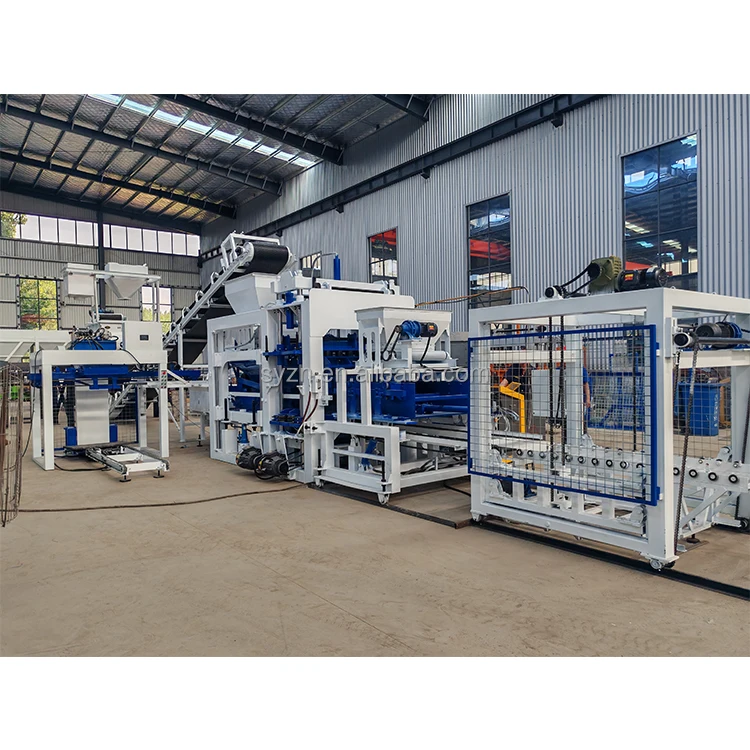
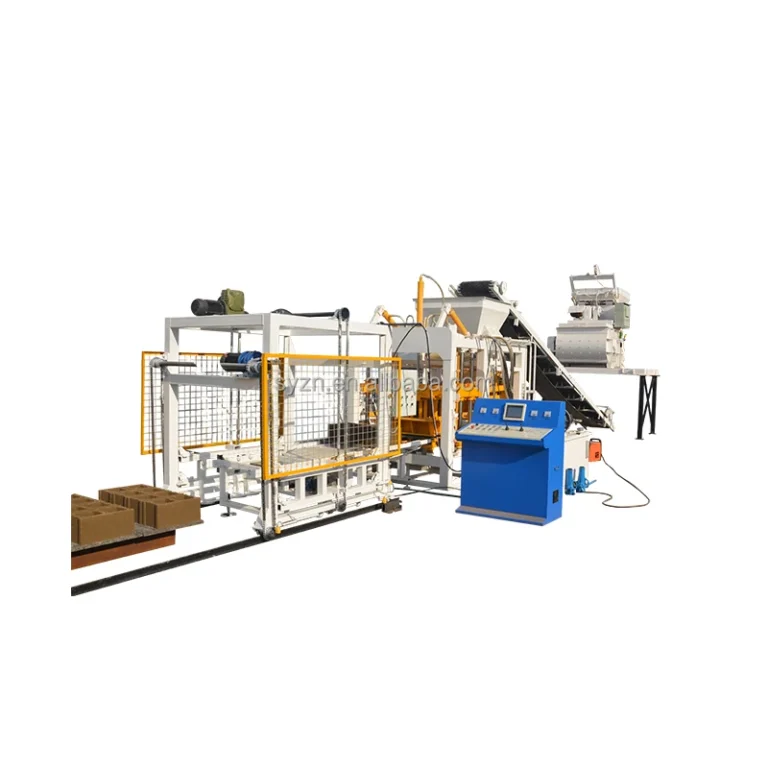 High quality block machine