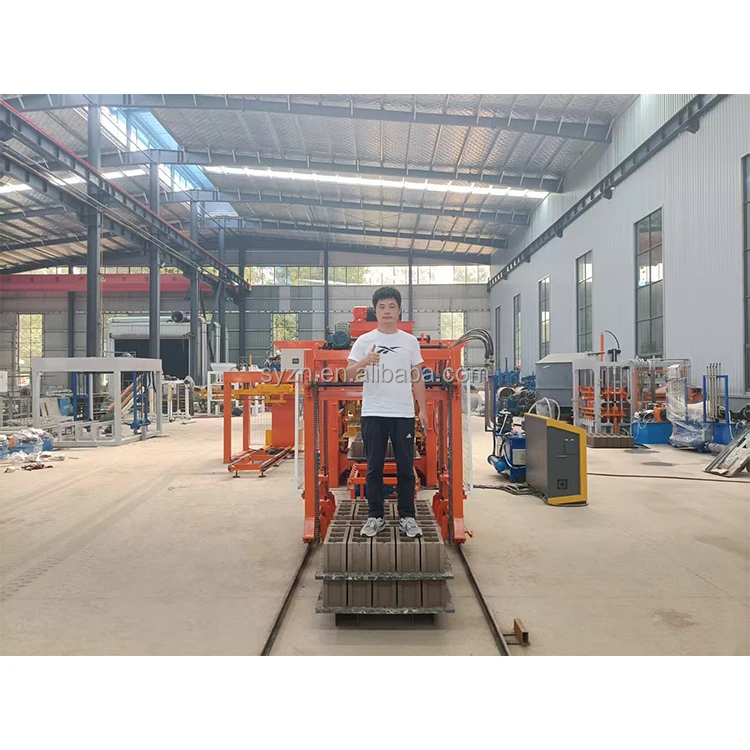
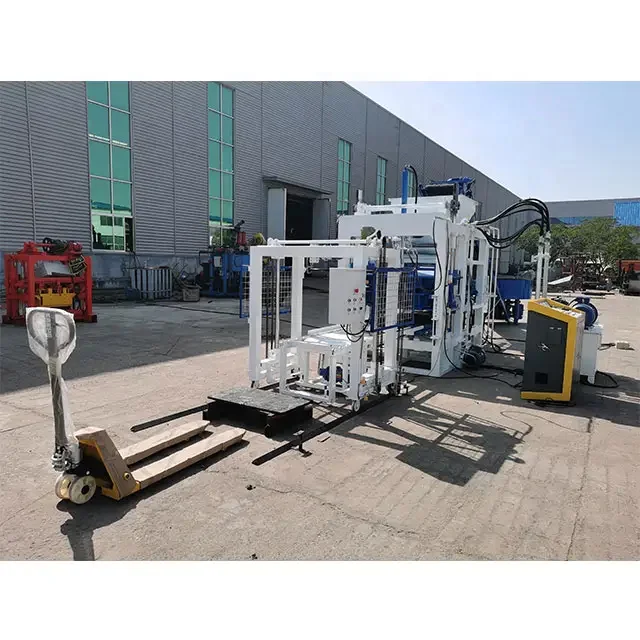
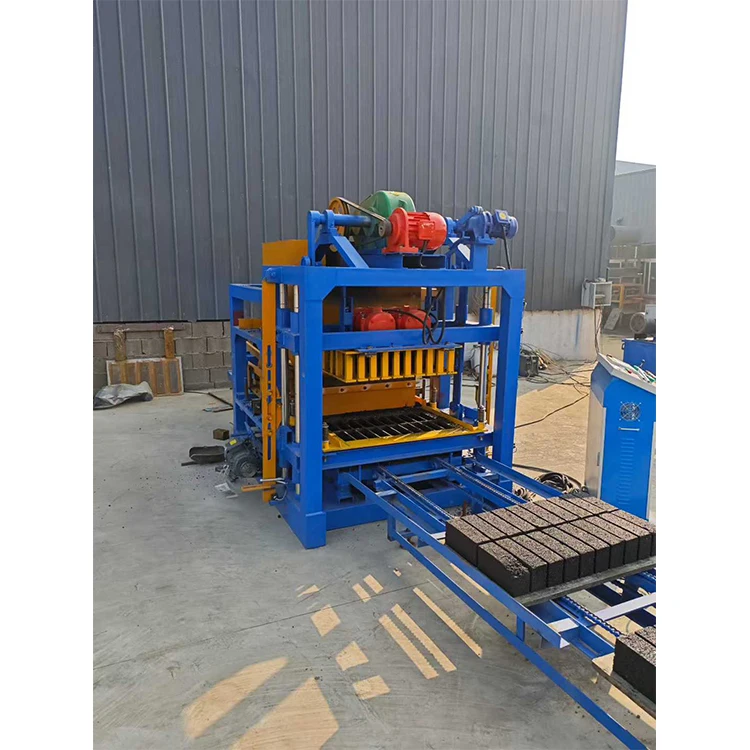
Matched System Engineering — The QT8-15 is specified as a complete block line with mixer, conveyor, stacker, and mould matched to the buyer’s actual aggregate and target format, not assembled from disconnected suppliers.
Technical Specifications
| Parameter |
Value |
| Model |
QT8-15 |
| Product Type |
Automatic Concrete Block Making Machine |
| Overall Dimensions (L×W×H) |
8300 x 1860 x 3000 mm |
| Rated Hydraulic Pressure |
21 MPa |
| Vibration Form |
Platform Vibration |
| Vibration Frequency |
2800–4500 RPM |
| Pallet Size |
950 x 900 mm |
| Molding Cycle |
15–25s (basis not stated in source — confirm block format and material) |
| Overall Power |
46 kW |
| Control System |
PLC with touch screen human-computer interface |
| Automation Level |
Manual/automatic mode transition available |
| Hydraulic System |
Independent integrated hydraulic station |
| Included Support Equipment |
JS750 mixer, 8m belt conveyor, automatic stacker (two pallets per cycle, 3–6 layers), one hollow mould |
Application Suitability
| Application |
Material or Output |
| Hollow block production for commercial and residential construction |
Crushed stone, river sand, cement, and lightweight aggregates |
| Solid block manufacturing for load-bearing walls |
Dense aggregate blends requiring high compaction pressure |
| Paving block production for roads and walkways |
Fine aggregate mixes with pigment additives |
| On-site block production for housing projects |
Locally sourced sand and gravel adapted to regional mix designs |
What "15–25 Seconds per Cycle" Actually Means for Your Daily Output
A cycle time without a stated block format is a number detached from reality.
When a QT8-15 automatic block machine for sale is quoted at 15–25 seconds per cycle, that range could mean hollow blocks, solid blocks, or pavers — each demanding different vibration durations and hydraulic hold times. A buyer in Ecuador once ordered based on sample machine throughput, only to find that local volcanic aggregate was denser than the test sand, requiring longer vibration and cutting real output to roughly sixty percent of the quoted figure. The fix came from adjusting hydraulic pressure and vibration frequency to the actual material, not from running the machine faster. Before committing to any capacity number, ask for a written calculation that names the exact block format, mix design, and curing assumption behind the cycle time [NEED_CITE: block format assumptions behind manufacturer cycle time claims].

Where the QT8-15 Sits in the Full Machine Range
The SHIYUE automatic range spans from small semi-automatic workshop units to high-capacity fully automatic lines with cubing systems. The QT8-15 automatic block machine for sale occupies the mid-to-high tier, delivering PLC-controlled hydraulic pressing and platform vibration while including an automatic stacker that handles two pallets per cycle. This positions it above manual pallet handling setups but below fully continuous cubing lines. For a buyer evaluating where their investment level and daily volume target intersect, this model bridges the gap between entry-level production and large-scale plant operation.
Semi-Automatic, Automatic, or Mobile — Matching the Tier to Your Site
Choosing between tiers depends on site conditions as much as output goals. A mobile egg-laying machine eliminates pallet costs but limits format variety. A semi-automatic line reduces capital outlay but requires more manual pallet handling and curing rack movement. The QT8-15 brings automatic stacking and PLC batch control to the table, meaning fewer operators manage the pressing cycle while the stacker builds uniform layers for curing. For contractors producing blocks on a housing project site, the decision often comes down to whether the curing area and forklift fleet can absorb the pallet flow rate that this tier generates [NEED_CITE: automation tier selection criteria for concrete block plants].
Vibration, Pressure, and Pallet Size — Reading the Specs That Matter
Platform vibration at 2800–4500 RPM paired with 21 MPa hydraulic pressure determines how densely the concrete mix compacts before curing. Higher frequency suits fine aggregate and thin-walled hollow blocks, while lower frequency with sustained pressure works better for dense paver mixes. The 950 x 900 mm pallet size defines not only the mould footprint but also the curing rack dimensions and the forklift tine spacing in your existing yard — ordering a pallet size without checking yard compatibility leads to double-handling on day one. The independent integrated hydraulic station sits isolated from the main vibration frame, which reduces seal wear and keeps pressure consistent across long production runs. Overall power draw of 46 kW means the machine requires a dedicated circuit with adequate transformer capacity, a detail that delays commissioning if confirmed only after the container arrives.
The Hidden Cost of Skipping the Mix Design Conversation
Ordering a machine configured for a standard quartz sand mix while your local supply is crushed limestone or volcanic scoria creates a mismatch that shows up as weak blocks and high reject rates. The vibration force and hydraulic pressure calibrated for one aggregate type do not automatically transfer to another. Buyers who skip sending a raw material sample often spend the first weeks on site adjusting parameters through trial and error, burning pallets and cement while chasing the target compressive strength. That lost production time and wasted material is a cost no quotation line item captures [NEED_CITE: aggregate variation effects on concrete block compressive strength].
Why Source This Model Through a Single-System Supplier
Block machinery as a single focus means the QT8-15’s press, mould, pallet, mixer, and stacker are specified together rather than sourced from separate vendors who point fingers when cycle times do not align. The mould is designed around the block format your market actually sells, with custom drawings available when standard formats do not match local demand. Automation level is selectable — a buyer can start with manual pallet feeding and add the automatic stacker later as production scales. Configuration is set against the buyer’s actual mix design and local aggregate, not a catalogue default. Installation support includes operator training so the PLC touch screen and manual/automatic mode switching are understood before the first production shift begins.
Documentation & Verification
- Line layout and capacity calculation stating the exact block format assumed for the QT8-15 cycle time
- Machine specification sheet covering hydraulic pressure, vibration frequency, and pallet size
- Voltage, frequency, and PLC display language confirmation document before production starts
- Factory test record with photographs taken on your specified block format before dispatch
- Mould drawing and format list confirming cavity count and block dimensions
- Packing photographs and customs documentation support for container loading
Installation, Commissioning & Support
- Foundation plan based on the 8300 x 1860 mm machine footprint and vibration load distribution
- Dedicated 46 kW power circuit with voltage and frequency matching your local grid supply
- JS750 mixer and 8m belt conveyor assembled and aligned to the press feed height on site
- PLC touch screen configured to your operator language before the first test run
- Automatic stacker layer count set between 3 and 6 based on your block height and curing rack clearance
- Mould change procedure trained with your maintenance crew using the included hollow mould
- Wear parts list supplied with recommended replacement intervals for hydraulic seals and vibration components
What to Include in Your Inquiry
To size the QT8-15 automatic block machine for sale accurately to your project, share the block format you sell most, your target daily output, and a sample or description of the aggregate available locally. Specify the voltage and frequency at your site along with the preferred PLC display language. If you have existing curing racks or forklifts, note their dimensions so the 950 x 900 mm pallet can be confirmed as compatible or adjusted before production begins.
Frequently Asked Questions
Q: How do I verify the QT8-15’s real daily output for my specific block format?
A: Request a written capacity calculation that names the block dimensions, mix design, and molding cycle assumed. The 15–25 second cycle range varies by format and material density, so a hollow block calculation will differ from a paving block calculation. Send a raw material sample so the vibration and pressure settings reflect your actual aggregate.
Q: What automation does the QT8-15 offer compared to semi-automatic options?
A: The QT8-15 includes a PLC with touch screen, automatic stacker handling two pallets per cycle, and manual/automatic mode switching. Semi-automatic models require operators to move pallets by hand between pressing and curing. This model reduces manual handling while still allowing manual override during mould changes or maintenance.
Q: Which voltage and PLC language options are available for export markets?
A: Voltage and frequency must be confirmed before production to match your local grid, whether that is 220V/60Hz or 380V/50Hz. The PLC display language is set during configuration so operators read instructions in their working language on arrival. Specify both at the inquiry stage to avoid commissioning delays.
Q: How does the 950 x 900 mm pallet affect my curing area layout?
A: Pallet dimensions determine curing rack spacing, forklift tine width, and yard layout. Measure your existing racks and forklifts before ordering. If your current setup uses a different pallet size, the rack system may need modification to accept the QT8-15 pallets without double-handling during curing.
Q: What support equipment comes with the QT8-15 versus what is optional?
A: The standard package includes a JS750 mixer, 8m belt conveyor, automatic stacker, and one hollow mould. Additional moulds for pavers or solid blocks, extra pallets, and curing rack systems are configured based on your format list and quoted separately. Confirm the full line scope before the order is finalized.

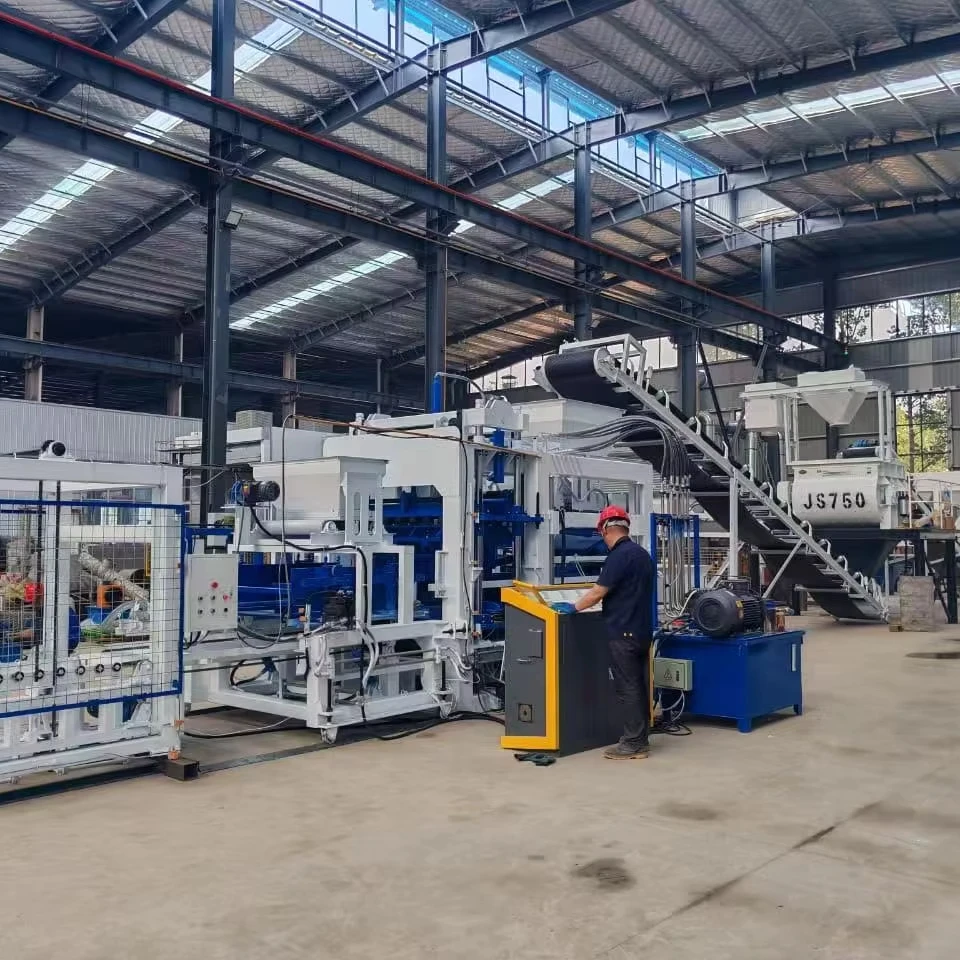
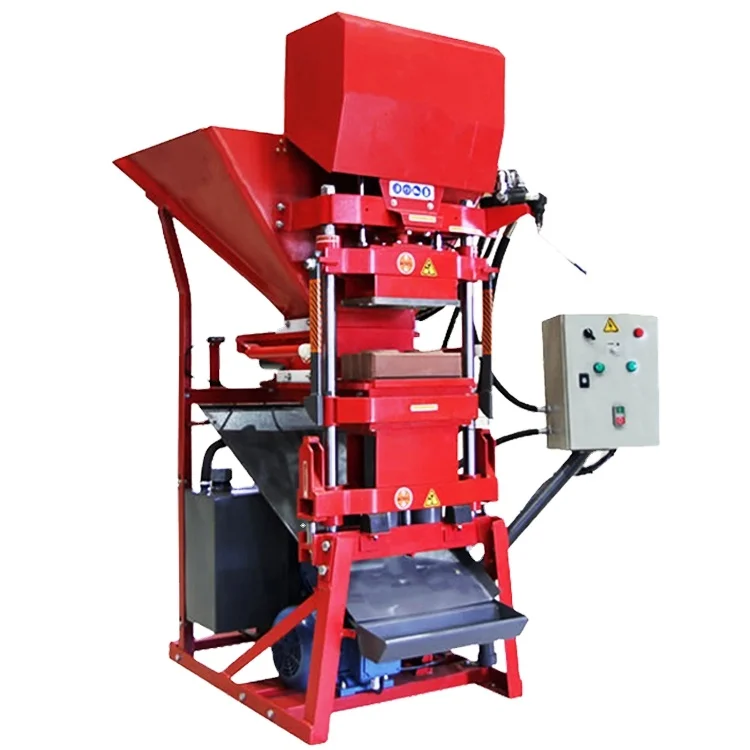 Automatic block machine