
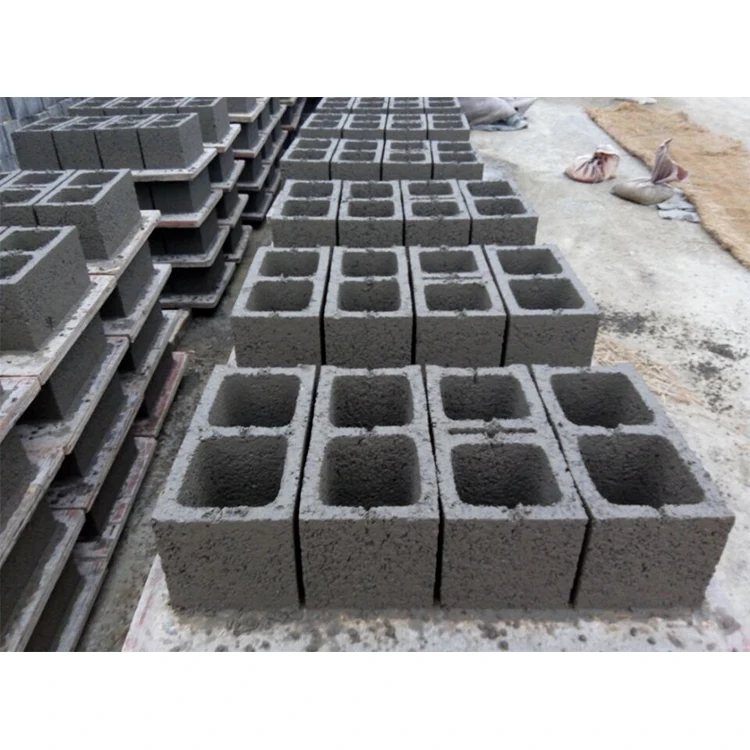
 Automatic block machine
Home
Products
Automatic block machine
QT8-15 Automatic Block Making Machine | Full Range Manufacturer
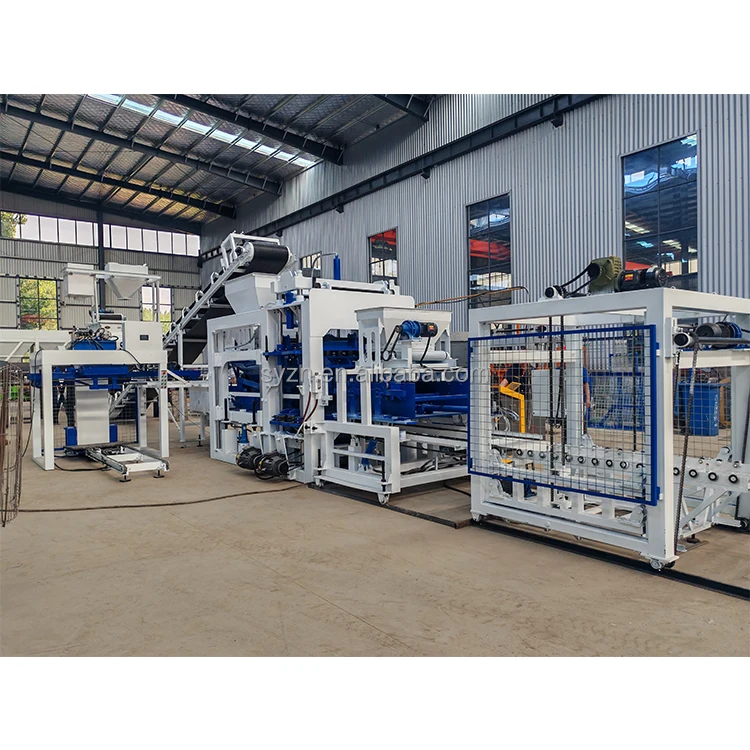 Automatic block machine
Concrete Machinery
QT8-15 Automatic Block Making Machine | Full Range Manufacturer
<p><strong>QT8-15 Hydraulic Automatic Block Making Machine, 32 MPa Pressure, 2800-4500 RPM Vibration</strong> — positioned in SHIYUE's automatic tier for medium-to-high output plants. Platform vibration paired with hydraulic pressure ensures consistent block density across hollow, solid and paving formats, while the 950 × 900 mm pallet and automatic stacker reduce manual handling.</p> <ul> <li>PLC touch screen control with selectable manual/automatic modes</li> <li>One hollow mould included; custom moulds available to buyer drawings</li> <li>JS750 mixer, 8 m belt conveyor and pallet feeder specified as one line</li> </ul>
CE Certified
European Standards
Ships 15-30 Days
Fast Delivery
108+ Countries
Global Export
After-Sales Support
Training Included
24h Response
Free Technical Consultation
Product Details
Matched System Integration — the QT8-15 press, moulds, pallets, and handling gear are specified as one line rather than sourced separately, so cycle times match and the press is not left waiting for upstream or downstream stations.
Technical Specifications
| Parameter | Value |
|---|---|
| Model | QT8-15 |
| Product Type | Hydraulic Automatic Block Making Machine |
| Overall Dimensions (L×W×H) | 8300 x 1860 x 3000 mm |
| Rated Pressure | 32 MPa (basis to be confirmed) |
| Vibration Form | Platform Vibration |
| Vibration Frequency | 2800–4500 RPM |
| Pallet Size | 950 x 900 mm |
| Molding Cycle | 15–25 s (basis not stated in source — confirm block format / material / thickness) |
| Overall Power | 47 kW |
| Control System | PLC with touch screen interface, manual and automatic modes selectable |
| Block Comprehensive Strength | up to 15 MPa |
| Supporting Equipment | JS750 mixer, 8 m belt conveyor, automatic stacker (two pallets per lift, 3–6 layers) |
| Mould Configuration | One hollow mould included; additional formats available |
| Standards | CE declaration (model-specific applicability to confirm) |
Application Suitability
| Application | Material or Output |
|---|---|
| Hollow block production for commercial and residential walls | Crushed stone, sand, cement, fly ash blends |
| Solid block manufacturing for load-bearing structures | Dense aggregate mixes with cement binder |
| Paving block and interlocking brick for roads and walkways | Fine aggregate with pigment additives |
| On-site production for housing and infrastructure projects | Locally sourced aggregate and cement |
| Format expansion for existing concrete product plants | Multiple mould formats on a single host machine |
What "15-25 Seconds per Cycle" Actually Means for Your Daily Output
Cycle time only matters when tied to the block format and mix you will actually run.
Sellers often quote the fastest possible cycle without naming the block shape, wall thickness, or aggregate gradation behind that number. In the field I have watched buyers plan entire production schedules around a figure that turned out to apply to a thin paving stone, not the 200 mm hollow block they needed for their wall contracts. The QT8-15 automatic block machine manufacturer you choose should state cycle time per format, not a blanket range. When local aggregate carries high clay or moisture, vibration parameters need re-tuning before the first shift, otherwise the green blocks crack before reaching the curing rack [NEED_CITE: effect of aggregate moisture and clay content on concrete block vibration requirements].
Where the QT8-15 Sits in the Full Machine Range
The SHIYUE lineup spans mobile egg-layers for on-site work, semi-automatic presses for small workshops, and fully automatic lines like the QT8-15 for medium-to-high daily volume. This model occupies the automatic tier where PLC control, automatic pallet feeding, and stacked output replace the manual pallet handling that limits smaller machines. Buyers moving up from a semi-automatic press typically see the biggest gain in consistency rather than raw speed, because the touch screen interface locks in parameters shift after shift.
How the Automatic Tier Changes Plant Layout and Staffing
An automatic line reorganises the floor plan: the JS750 mixer feeds the belt conveyor, the conveyor charges the press hopper, the pallet feeder cycles pallets under the mould, and the stacker lifts two pallets at a time in three to six layers depending on block height. That sequence removes the need for workers to carry wet pallets by hand from press to curing area. Fewer hands on the line means fewer variables in block density and dimension, which matters when your blocks must pass a compressive strength test at the project gate [NEED_CITE: concrete block compressive strength testing standards for construction supply].
Reading the Specs That Actually Shape Your Blocks
The 32 MPa rated hydraulic pressure works together with platform vibration at 2800–4500 RPM to compact the concrete mix inside the mould. Higher pressure alone does not guarantee dense blocks; the vibration frequency must match the aggregate particle size so that fines settle into voids before the press head descends. The 950 x 900 mm pallet size determines how many block cavities fit per cycle and must align with the forklift tine spacing and curing rack dimensions already in your yard. The 47 kW overall power draw covers the hydraulic pump, vibration motors, conveyor, and PLC cabinet, so confirm your site transformer can handle sustained load plus starting surge. Molding cycle listed at 15–25 seconds varies with block height, mix workability, and target density — a thick hollow block with a stiff mix will sit at the longer end of that window.
The Hidden Cost of a Mismatched Line Configuration
Choosing a pallet size without checking the curing rack spacing means pallets jam on the rails or require manual re-stacking before they enter the steam room. Specifying a voltage that differs from the local grid forces you to source a step-down transformer on arrival, delaying commissioning by weeks while the machine sits idle in its crate. Skipping the language confirmation on the PLC display leaves operators guessing at alarm codes during the first production run [NEED_CITE: PLC display language and electrical standard alignment for exported machinery].
Why Source This QT8-15 Automatic Block Machine Manufacturer
Block machinery is our single focus, so the QT8-15 is not a catalogue item bolted to third-party conveyors — press, mould, pallet, and handling are matched before the quotation is issued. Configuration starts from your actual mix design and local aggregate, not a default setting, because I have seen high-clay sand turn a standard vibration profile into a scrap-rate problem within the first hour. Mould design covers the formats your market sells, and custom drawings are accepted when standard cavities do not fit. Automation level is selectable, so a buyer can begin with manual pallet handling and add the automatic stacker later without replacing the host machine. Factory testing runs your chosen mould and mix parameters before the crate is sealed.
Documentation & Verification
- Line layout showing the QT8-15 footprint with mixer, conveyor, and stacker placement
- Capacity calculation sheet stating the block format behind every output figure
- Mould drawing and format list confirming cavity count and block dimensions
- Hydraulic and electrical schematic matching the shipped configuration
- Voltage, frequency, and PLC display language confirmation record
- Factory test record run on your specified mould before dispatch
Installation, Commissioning & Support
- Foundation plan sized for the 8300 x 1860 mm host machine footprint and dynamic vibration load
- Dedicated 47 kW circuit with breaker rating confirmed against local voltage and frequency
- Pallet feeder, press, conveyor, hydraulic station, and PLC cabinet assembled and wired on-site
- First-run parameter tuning matching your aggregate gradation and target block format
- Operator training covering touch screen navigation, mould change sequence, and alarm response
- Wear parts and mould maintenance schedule aligned with your daily shift pattern
Preparing Your QT8-15 Inquiry
Send the block format you sell most — cavity count, wall thickness, and overall dimensions — so cycle time can be calculated against that shape rather than a catalogue default. Include a sieve analysis or description of your local aggregate, because the vibration frequency range needs to be set for your specific particle distribution. State your site voltage, frequency, and preferred PLC display language to avoid rework after the container arrives.
Frequently Asked Questions
Q: How is the QT8-15 daily output calculated, and for which block format?
A: Daily output depends on the block format, wall thickness, and mix workability you will actually run. The 15–25 second molding cycle range must be mapped to your specific shape — a thin paving stone cycles faster than a 200 mm hollow block. We provide a capacity sheet tied to your chosen format, not a single headline number.
Q: Where does the QT8-15 sit in the full SHIYUE range compared to semi-automatic and mobile machines?
A: The QT8-15 occupies the automatic tier, above semi-automatic presses that rely on manual pallet handling and below higher-capacity lines with full cubing systems. It suits buyers who have outgrown manual operation and need PLC-controlled consistency without jumping to the largest plant footprint available.
Q: What voltage, frequency, and PLC language options are confirmed before shipment?
A: Voltage, frequency, and touch screen language are confirmed during the quotation stage, not after the machine is built. This prevents commissioning delays caused by mismatched electrical supply or operators unable to read alarm codes on arrival at your facility.
Q: Can I start with one mould format and add more later without changing the host machine?
A: Yes. The QT8-15 accepts additional moulds for different block formats as your market expands. The host machine, hydraulic station, and pallet size remain the same; only the mould and the PLC recipe need to change when you switch production from hollow blocks to pavers or kerbstones.
Get a Quote
Request Price for QT8-15 Automatic Block Making Machine | Full Range Manufacturer
Fill in your requirements and our export manager will respond within 24 hours with pricing, specs and a customized solution.
You May Also Like
Related Products
Automatic block machine
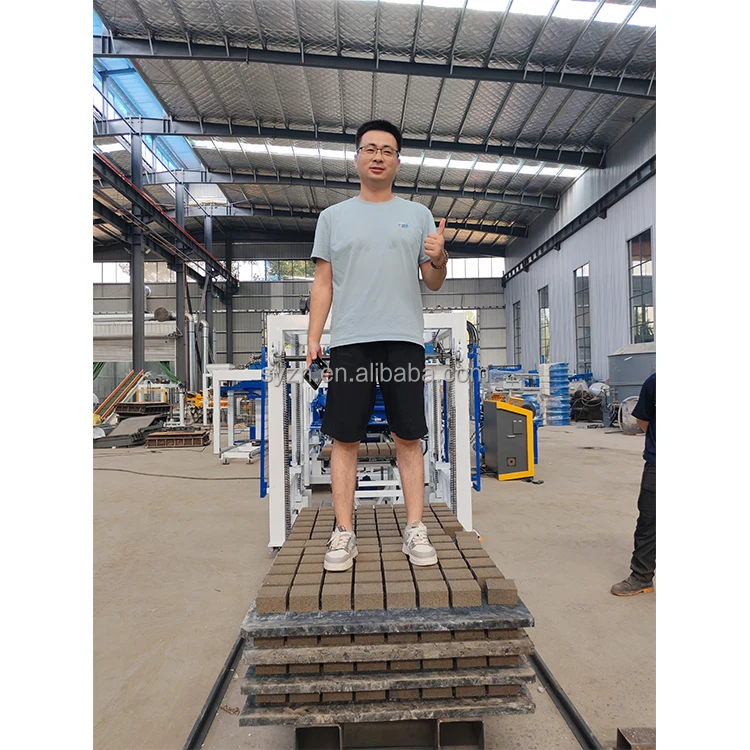 Automatic block machine
QT8-15 Block Moulding Machine High Efficiency 15-20s Cycle Time for Making Various Paving and Hollow Blocks
Products Description QT8-15 Block making machine of QT8-15 Concrete Block Making Machine New Condition Widely...
View Details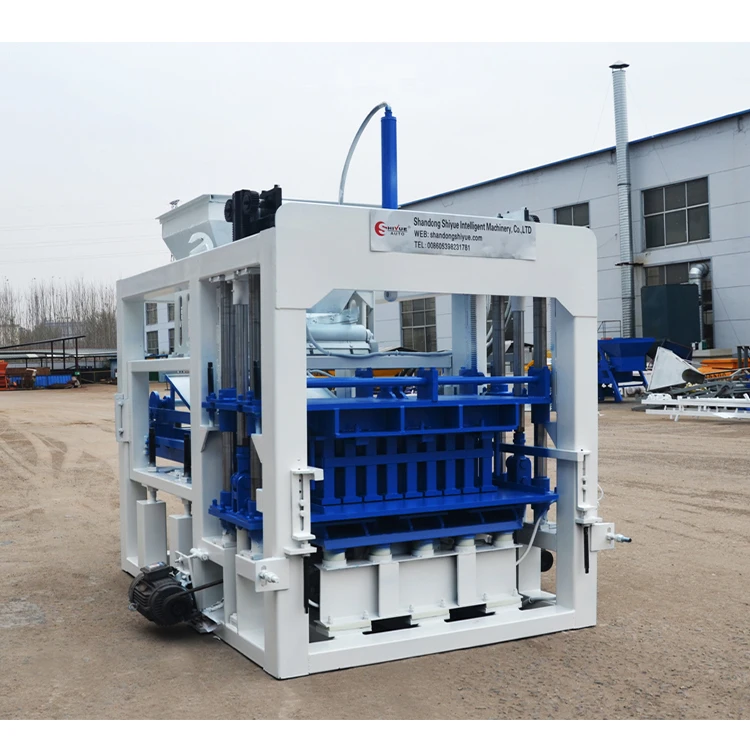 Automatic block machine
QT5-15 Interlocking Brick Making Machine
Main technical parameters Overall Dimension7400*1950*2800mmvibration frequency0-60HZVibration FormPlatform Vibrationmoulding modeload automatically.vibration mouldingPallet Size1100x550mmMolding cycle15-20sOverall Power32 KWVibration...
View Details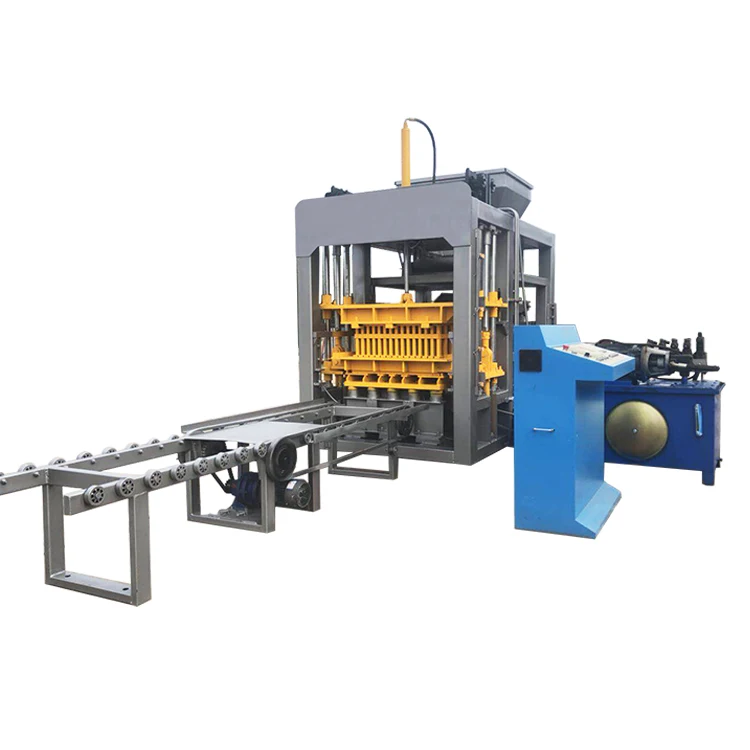 Automatic block machine
QT5-15 Hydraulic Interlocking Paving Block Machine Concrete Pavement Tile Making Machine
Main technical parameters Overall Dimension7400*1950*2800mmvibration frequency0-60HZVibration FormPlatform Vibrationmoulding modeload automatically.vibration mouldingPallet Size1100x550mmMolding cycle15-20sOverall Power32 KWVibration...
View Details
Established Manufacturer · Since 2005
Ready to Start Your Concrete Production Line?
Our 320+ engineers will design a customized solution for your local materials, voltage and site conditions. Get a free layout plan and ROI estimation within 24 hours.
108+ Countries Exported
46,000㎡ Factory
320+ Engineers
24h Response Guaranteed