Complete System Match — QT4-18 configured as one unit with vibration, hydraulic pressure, pallet size, and mould count verified against your block format before production begins.
Technical Specifications
| Parameter |
Value |
| Model |
QT4-18 |
| Product Type |
Hydraulic Concrete Block Making Machine |
| Vibration Frequency |
0–60 Hz |
| Vibration Form |
Platform Vibration |
| Vibration Force |
45 kN |
| Pallet Size |
900×500 mm |
| Molding Cycle |
18–25 s |
| Demolding Method |
Hydraulic |
| Control System |
PLC with person-machine interface |
| Automation Level |
Semi-automatic (electric and hydraulic system with interlocking procedures) |
| Output Capacity |
799 pcs/h (based on 400×200×200 mm hollow block, 4 pcs/mould, 18 s cycle) |
| Output Capacity |
999 pcs/h (based on 400×150×200 mm hollow block, 5 pcs/mould, 18 s cycle) |
| Output Capacity |
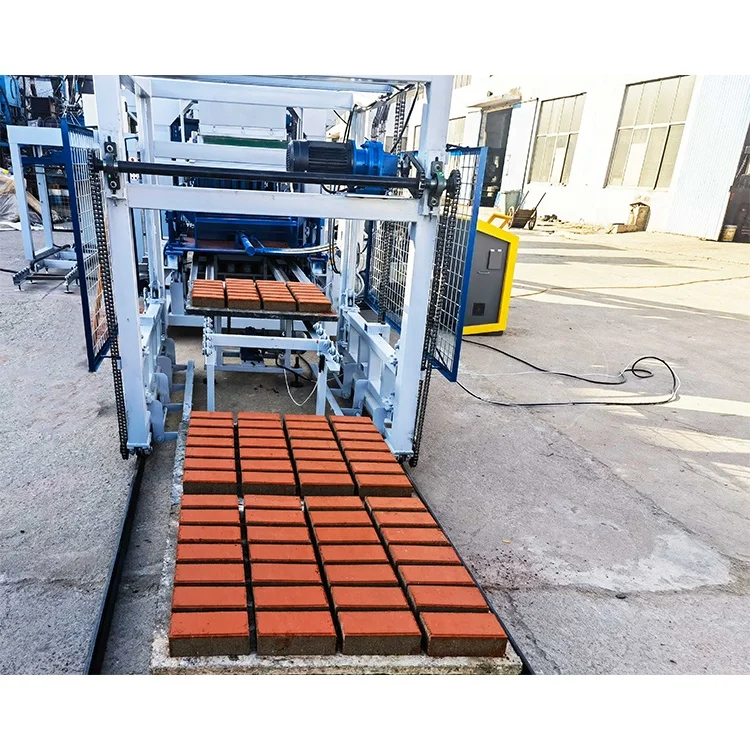
5,199 pcs/h (based on 240×115×52 mm solid brick, 26 pcs/mould, 18 s cycle) |
| Block Formats Supported |
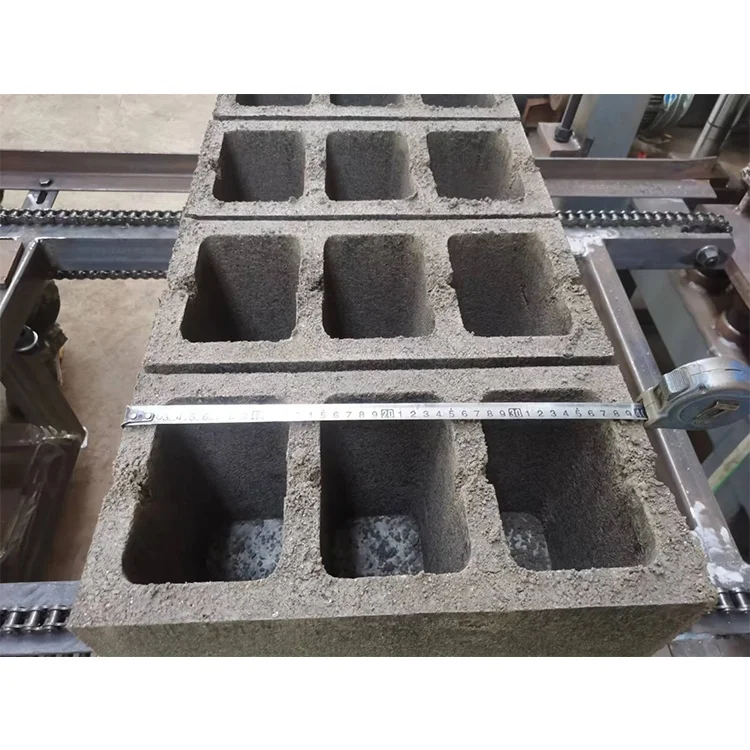
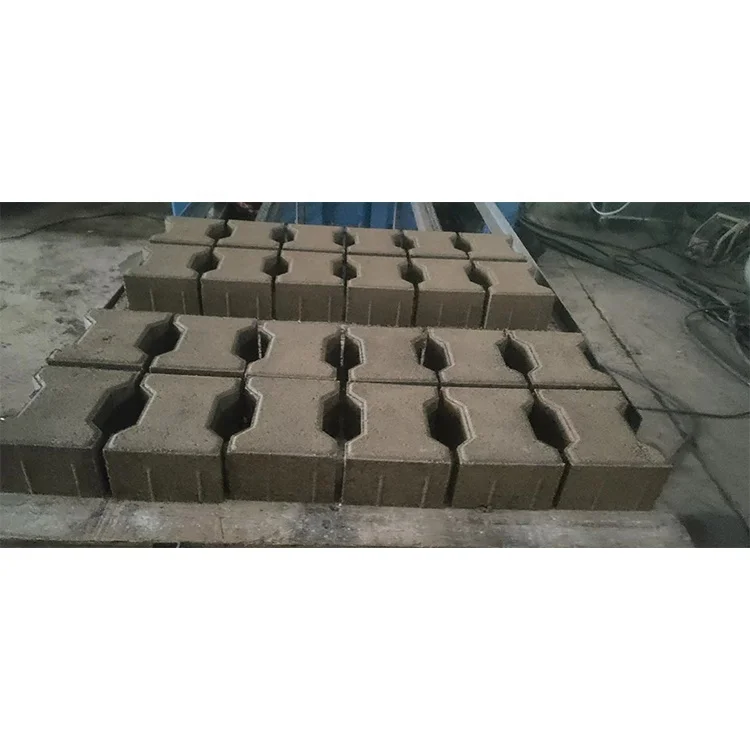
Color face bricks, through-body environmental protection bricks, road curb rocks, hydraulic blocks, sod bricks |
| Warranty |
1 year for whole machine (excluding spare parts) |
Application Suitability
| Application |
Material or Output |
| Hollow block production for masonry walls |
Crushed stone, sand, cement, and fly ash aggregate |
| Solid brick manufacturing for load-bearing structures |
Cement, river sand, and fine aggregate blends |
| Paving block and curbstone output for infrastructure projects |
High-density concrete mixes with coarse aggregate |
| On-site block production for construction contractors |
Locally sourced aggregate and cement |
| Environmental protection brick and sod brick runs |
Porous concrete and permeable aggregate combinations |
What "799 Pieces per Hour" Actually Means for Your Plant
Every output figure on this page is tied to a specific block size, mould cavity count, and cycle time.
Capacity numbers in block machinery quotations often leave out the format assumption, which leads to frustration once the machine is running on your floor. A buyer expecting hollow block volume at solid brick throughput will face a shortfall from day one. I have seen projects stall because the daily target was set against a catalogue number that never matched the buyer’s actual product. The QT4-18 block machine manufacturer documentation you receive here states the format behind every capacity figure so your production planning starts from a real baseline [NEED_CITE: block format assumptions in capacity calculations for hydraulic block machines].

Where the QT4-18 Sits in the Full Shiyue Range
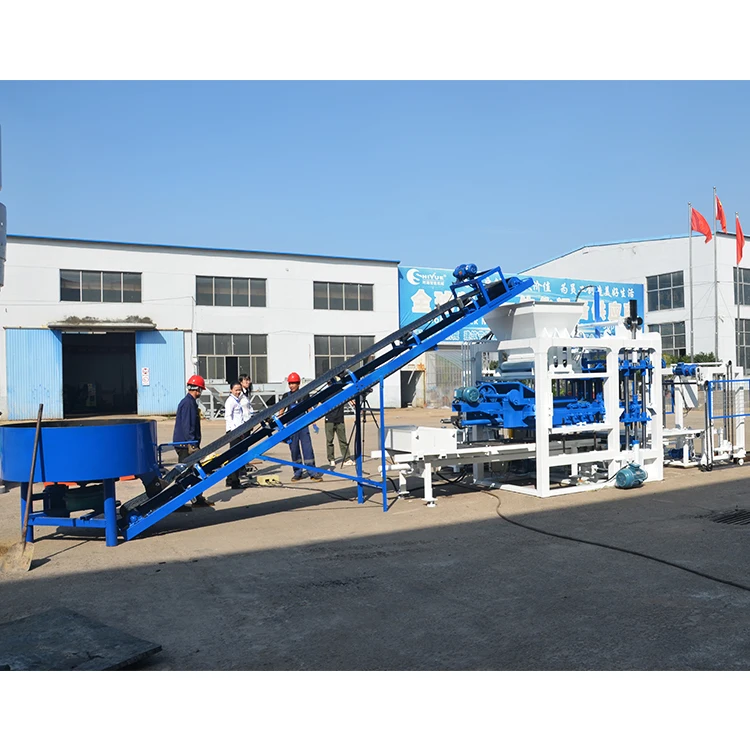
The QT4-18 occupies the mid-tier of the Shiyue stationary block machine lineup, positioned between entry-level workshop machines and high-capacity automatic lines. For a buyer evaluating a first block plant or replacing an aging unit, this model offers hydraulic demolding and adjustable platform vibration without the footprint and investment of a fully automatic stacking and cubing system. Understanding where it sits helps you decide whether to start here or move up the range.
Automation Level and Upgrade Path
This machine runs as a semi-automatic system with PLC-controlled interlocking between the electric and hydraulic circuits. The operator manages pallet handling and stacking manually, while the press cycle, vibration, and demolding operate automatically. Shiyue designs the QT4-18 block machine manufacturer package so that automatic pallet feeding and stacking modules can be added later, letting you scale automation as your volume grows [NEED_CITE: semi-automatic to automatic upgrade paths in block production].
How Vibration Force and Hydraulic Pressure Work Together
The 45 kN vibration force combined with hydraulic demolding determines the density and consistency of every block that leaves the mould. Platform vibration at 0–60 Hz can be adjusted depending on whether you are running lightweight hollow blocks or high-density pavers. The hydraulic system applies consistent pressure during compaction and releases the mould cleanly, reducing surface damage. If the vibration frequency and hydraulic pressure are not matched to your local aggregate and mix design, block strength will vary from batch to batch — a problem I encountered on a project where high clay content in the sand required a full parameter reset before output stabilized.
What Happens When Pallet Size Is Chosen Without Checking Your Curing Area
The QT4-18 runs on 900×500 mm pallets, and this dimension must align with the curing racks and forklift you already have on site. A pallet that is too wide for your rack spacing forces you to rebuild the curing area before the first block is produced. I have seen buyers receive machines only to discover their forklift tines cannot handle the loaded pallet weight at that span, adding unplanned equipment costs to the project [NEED_CITE: pallet handling compatibility in block plant layout].
Why Buying the Press Alone Is Not Enough
A block press that cycles every 18 seconds will sit idle if raw material feeding and pallet supply cannot keep pace. The QT4-18 block machine manufacturer quotation should be evaluated alongside the mixer capacity, pallet inventory, and curing space that surround it. Buyers who focus only on the press specification often find that manual pallet handling and stacking become the real bottleneck once production starts, cutting actual daily output well below the quoted figure.
Why Source the QT4-18 Through Shiyue
Block machinery is the single focus here, so the press, mould, pallet, and handling equipment are specified as one matched system rather than assembled from unrelated suppliers. Configuration is set against your actual mix design and local aggregate, not a default catalogue setting. Mould design covers the formats your market sells, including custom drawings when standard options do not fit. Automation level is selectable, allowing a start at semi-automatic with a defined upgrade path. Installation support includes operator training so your team can run the machine independently from the first week.
Documentation & Verification
- Line layout and capacity calculation stating block format assumed for each output figure
- Machine specification sheet with confirmed pallet size, vibration force, and hydraulic pressure
- Mould drawing and format list showing every block type the QT4-18 can produce
- Voltage, frequency, and PLC display language confirmation document before production
- Factory test record on your target block format before dispatch
- Hydraulic and electrical schematic for on-site maintenance reference
Installation, Commissioning & Support
- Foundation must support the QT4-18 vibration load with a level concrete pad rated for the machine weight
- Power supply confirmed for your local voltage and frequency before the electrical cabinet is wired
- Machine ships partially dismantled for container loading with reassembly guided by the hydraulic schematic
- First production run includes vibration frequency and hydraulic pressure adjustment to your mix design
- PLC display language set to your operator preference during commissioning
- Wear parts and mould list provided with recommended replacement intervals for the 45 kN vibration system
Before You Request a Quote
To size the QT4-18 correctly for your plant, share your target block format and dimensions, the daily output you need, and the local aggregate you plan to use. Confirm your available voltage and frequency, the PLC display language your operators need, and whether you already have curing racks and forklifts that the 900×500 mm pallet must fit. This information lets the QT4-18 block machine manufacturer proposal address your actual production conditions from the start.
Frequently Asked Questions
Q: How is the QT4-18 capacity calculated and which block format does each figure assume?
A: Each output figure is calculated from the mould cavity count and molding cycle for a specific block size. For example, 799 pieces per hour assumes a 400×200×200 mm hollow block with 4 cavities and an 18-second cycle. The capacity changes when you switch to a different format, so always check the figure that matches your actual product.
Q: Where does the QT4-18 sit compared to other models in the Shiyue block machine range?
A: The QT4-18 is a mid-tier stationary machine with hydraulic demolding and platform vibration. It sits above small workshop models in output and automation, and below high-capacity fully automatic lines in both footprint and investment. It suits buyers who need reliable volume without committing to a complete automatic plant from the start.
Q: What automation level does the QT4-18 offer and can it be upgraded later?
A: The QT4-18 ships as a semi-automatic machine with PLC-controlled press cycling and hydraulic demolding. Pallet handling and stacking are manual at this level. Automatic pallet feeding, stacking, and cubing modules are available as upgrades, so you can increase automation as your production volume grows without replacing the press.
Q: How do I confirm the pallet size matches my curing racks and forklift?
A: The QT4-18 uses 900×500 mm pallets. Before ordering, measure your curing rack spacing and verify that your forklift can handle the loaded pallet weight at that span. Share these details during the quotation stage so the pallet specification is confirmed against your existing equipment and site layout.
Q: What voltage and control language options are available for my market?
A: Voltage and frequency are configured to match your local power supply before production begins. The PLC display language is also confirmed at the quotation stage so operators can read the interface in their working language from the first day of commissioning.

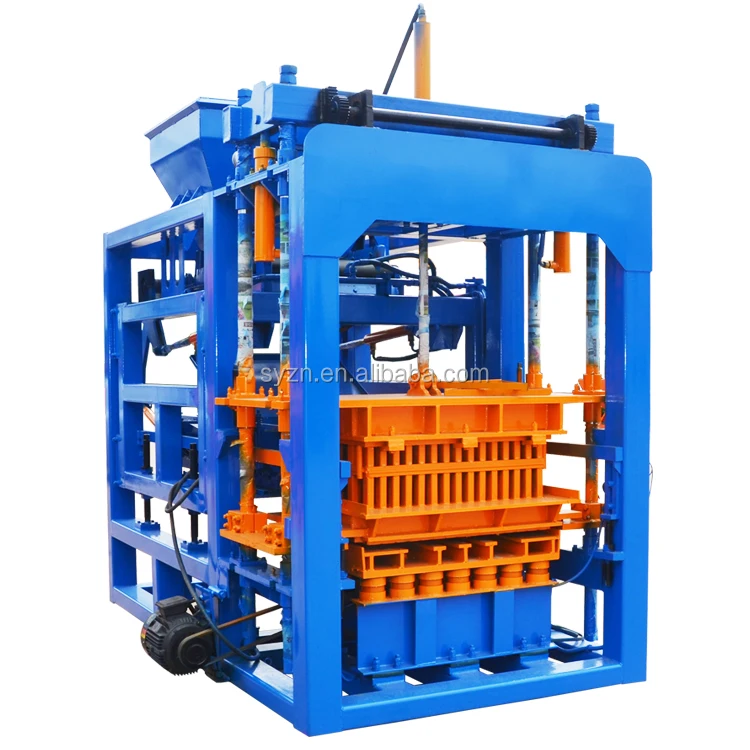 Stationary block machine