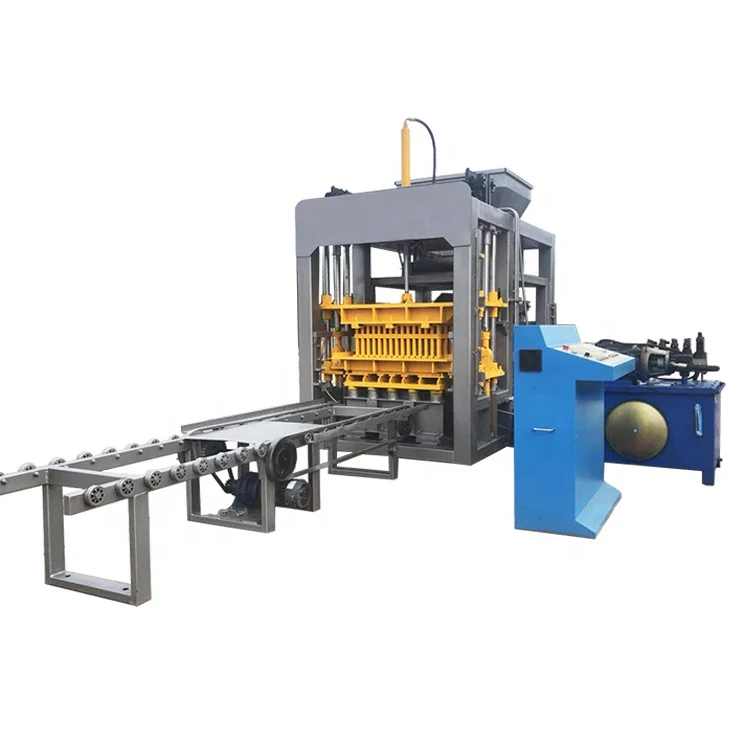
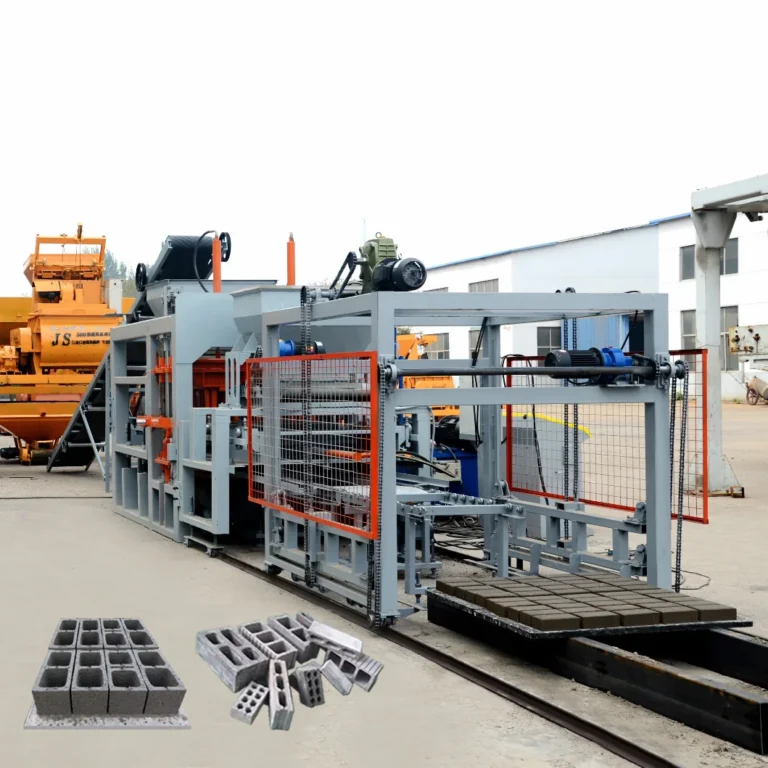
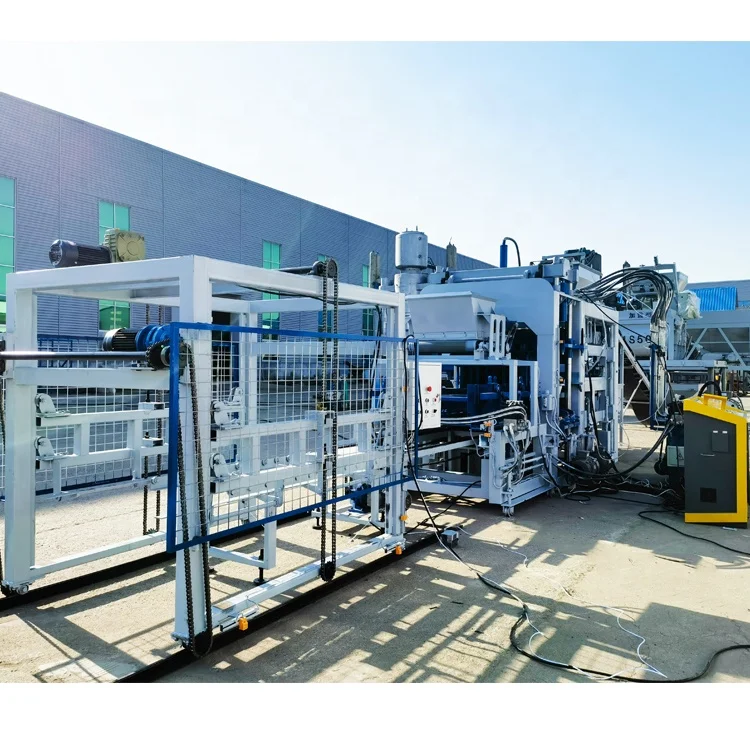
Single Focus — our block machinery lineup is engineered as a matched system of press, mould, pallet, and handling, so each tier performs as intended rather than as an assembly of mismatched components.
Technical Specifications
| Parameter |
Value |
| Model |
QT4-16 |
| Product Type |
Stationary Concrete Block Making Machine |
| Overall Dimensions (L×W×H) |
7400×1950×2800 mm |
| Rated Pressure |
21 MPa |
| Main Vibration Form |
Platform Vibration |
| Vibration Frequency |
2800–4500 r/min |
| Vibration Force |
40 kN |
| Pallet Size |
900×550 mm |
| Molding Cycle |
15–20 s (basis not stated in source — confirm block format / material / thickness) |
| Total Mass |
5 T |
| Demolding Method |
Hydraulic |
| Recommended Factory Area |
600 m² |
| Control System |
PLC intelligent control with man-machine interface, malfunction diagnosis, remote control function |
| Raw Materials |
Crushed stone, sand, cement, fly ash, gravel, slag, dust |
| Applied Products |
Hollow blocks, solid blocks, pavers, interlocking blocks, curbstone, colored pavers |
Application Suitability
| Application |
Material or Output |
| Hollow block production for residential and commercial walls |
Crushed stone, sand, cement, fly ash blends |
| Solid block manufacturing for load-bearing structures |
Gravel, sand, cement mixes with local aggregate |
| Interlocking paver production for driveways and walkways |
Colored concrete mixes with fine aggregate |
| Curbstone forming for road and pavement edging |
High-strength concrete with coarse gravel |
| On-site block production for housing projects |
Locally sourced sand, slag, and cement |
What "15–20 Seconds per Cycle" Actually Means for the QT4-16 Block Making Machine Manufacturer
A cycle time only matters when tied to the exact block format, mix design, and target strength you need.
I learned this the hard way when a South African client ordered a stationary block press expecting a specific daily output based on catalogue figures. Their local aggregate had a high clay content, and the real-world output fell well short of what the cycle time suggested. Workers ended up running extra shifts just to keep the project on schedule. That is why, before confirming any capacity number for the QT4-16, we ask for your actual mix design and aggregate report [NEED_CITE: impact of local aggregate properties on block press throughput]. Without that data, a cycle time is just a starting point, not a promise.

Where the QT4-16 Sits in the Full Stationary Range
The QT4-16 block making machine manufacturer positions this model in the mid-tier of our stationary lineup. Below it, semi-automatic models serve smaller workshops with lower investment thresholds and manual pallet handling. Above it, high-capacity automatic lines handle large-format pallets and fully automated stacking and cubing. The QT4-16 occupies the space where a buyer has outgrown entry-level equipment but does not yet need the footprint or capital commitment of a top-tier plant.
Matching the Press Tier to Your Actual Market Demand
Choosing the right tier starts with the block formats your market actually buys, not the maximum output a catalogue advertises. A plant producing primarily hollow blocks for local construction has different tier requirements than one supplying a full range of pavers, interlocking bricks, and curbstones. The QT4-16 tier supports all these formats through mould changes, but the realistic daily volume varies significantly across them [NEED_CITE: block format variation and its effect on daily production planning]. Understanding this before purchase prevents the common mistake of sizing a machine to a single ideal format while ignoring the product mix that generates real revenue.
Reading the Specs That Shape Daily Production
The 21 MPa rated hydraulic pressure combined with 40 kN platform vibration force determines the density and compressive strength of every block this press produces. Higher pressure alone is insufficient if the vibration frequency cannot consolidate the mix evenly — the adjustable 2800–4500 r/min range lets operators tune the vibration to different aggregate sizes and moisture levels. The 900×550 mm pallet size defines not only the block layout per cycle but also which pallet feeder, stacking system, and curing rack dimensions pair with the press in a complete line. A mismatch here means purchasing handling equipment twice. The PLC control with man-machine interface and fault diagnosis moves this tier beyond manual-operation models, reducing the dependency on experienced operators for consistent output [NEED_CITE: PLC fault diagnosis systems in stationary block presses].
The Hidden Cost of Configuring Without Your Local Conditions
When voltage and frequency are not confirmed before production, the machine arrives and sits idle while transformers or panels are sourced locally. When the PLC display language does not match the operators on the floor, training takes far longer and mistakes multiply during the critical first weeks. When pallet material and size are chosen without considering the curing area layout and the forklift already on site, blocks end up moved by hand — negating the automation the buyer paid for [NEED_CITE: common commissioning delays in imported block making equipment]. These are not defects in the machine itself. They are gaps in the specification process that turn a capable press into a bottleneck.
Why Buyers Source This Tier Through Our Range
Block machinery is our single focus, which means the QT4-16 is specified alongside its mould, pallet, and handling equipment as one integrated system. We configure the press against your actual mix design and local aggregate rather than defaulting to catalogue settings. Mould design covers the formats your market sells, with custom drawings available when standard options do not match. Automation level is selectable — a buyer can start with semi-automatic pallet handling at this tier and add automatic stacking later. Installation support includes operator training so the team running the press on day one understands both its capabilities and its limits.
Documentation & Verification
- Line layout with capacity calculation stating the block format assumed for the QT4-16
- Machine specification sheet confirming voltage, frequency, and PLC language before production
- Mould drawing and format list for every block type the press will produce
- Hydraulic and electrical schematic for local maintenance teams
- Factory test record documenting performance against agreed specifications
- Packing photographs and customs documentation support for export shipment
Installation, Commissioning & Support
- Foundation plan sized to the QT4-16 footprint of 7400×1950 mm and 5 T operating mass
- Dedicated power circuit confirmed for the plant’s voltage and frequency before dispatch
- Machine dismantled into container-load sections with reassembly guidance on arrival
- PLC parameters set during commissioning to match the buyer’s confirmed mix design
- Operator training covering mould change procedure and fault diagnosis interface
- Wear parts and mould inventory list supplied with recommended replacement intervals
Preparing Your Inquiry for Accurate Tier Selection
To determine whether the QT4-16 is the right tier for your project, share your target block formats and the daily volume you need for each one. Include your local aggregate type and any available material test reports, as these directly affect achievable output. Specify your site’s voltage, frequency, and preferred PLC display language so the machine is built to match. If you already have pallets, forklifts, or curing racks on site, send their dimensions — this ensures the handling equipment pairs correctly with the press.
Frequently Asked Questions
Q: How does the QT4-16 compare to semi-automatic and higher-capacity models in the range?
A: The QT4-16 sits in the mid-tier with full hydraulic pressure and PLC control, above semi-automatic models that use manual pallet handling and below high-capacity lines with larger pallets and automated cubing. Investment level, plant footprint, and daily output all scale across these tiers, so the right choice depends on your target volume and available space.
Q: What daily output can I realistically expect from this machine?
A: Realistic output depends on the block format, mix design, and local aggregate. A moulding cycle of 15–20 seconds is the starting reference, but actual daily production varies between hollow blocks, pavers, and interlocking bricks. We provide a capacity calculation tied to your specific format before confirming the order.
Q: Does this tier include pallet feeding and automatic stacking?
A: Automation level is configurable at this tier. Pallet feeding, stacking, and cubing are available as separate line stations that pair with the QT4-16, but they are not automatically included in every configuration. We confirm the automation scope during the proposal stage based on your labor and budget requirements.
Q: Can I start with the QT4-16 and upgrade to a higher-capacity line later?
A: Yes. The QT4-16 tier allows buyers to begin production with a capable hydraulic press and add automated handling stations as demand grows. The mould and pallet system can carry forward into a larger line if the pallet size is planned with future expansion in mind.
Q: How are voltage and control language confirmed before production?
A: We request your site’s voltage, frequency, and preferred PLC display language during the proposal stage and confirm them in writing before production begins. This prevents commissioning delays that occur when electrical specifications are assumed rather than verified.

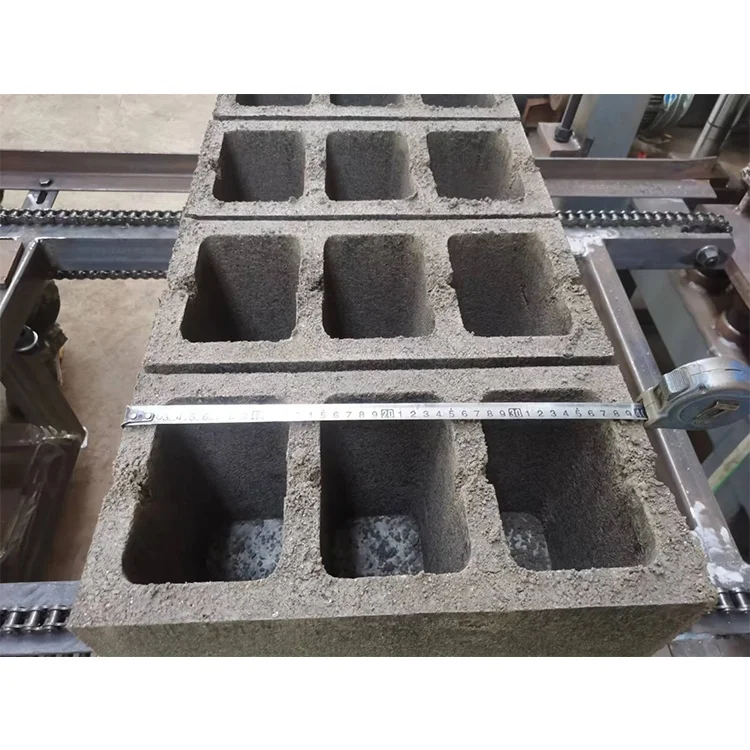
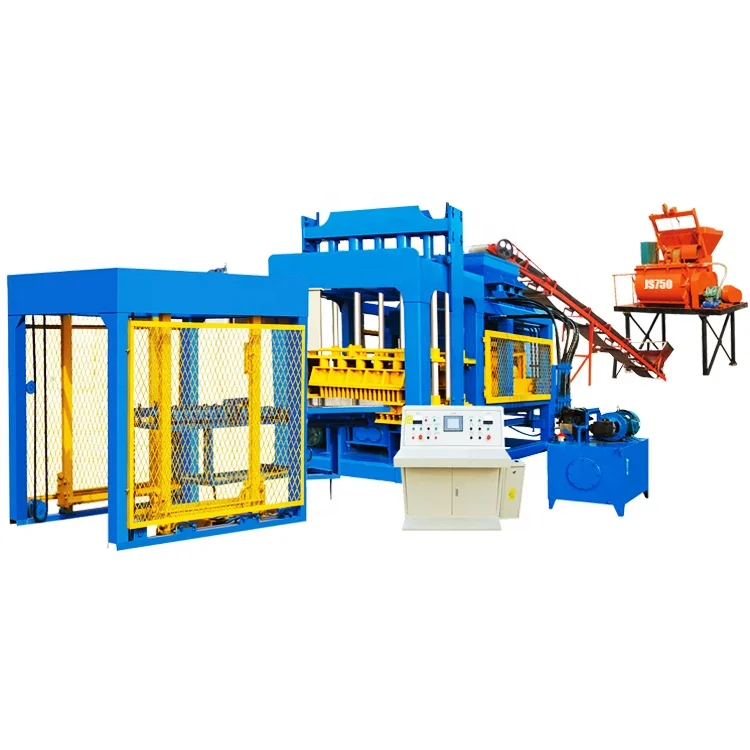 Stationary block machine