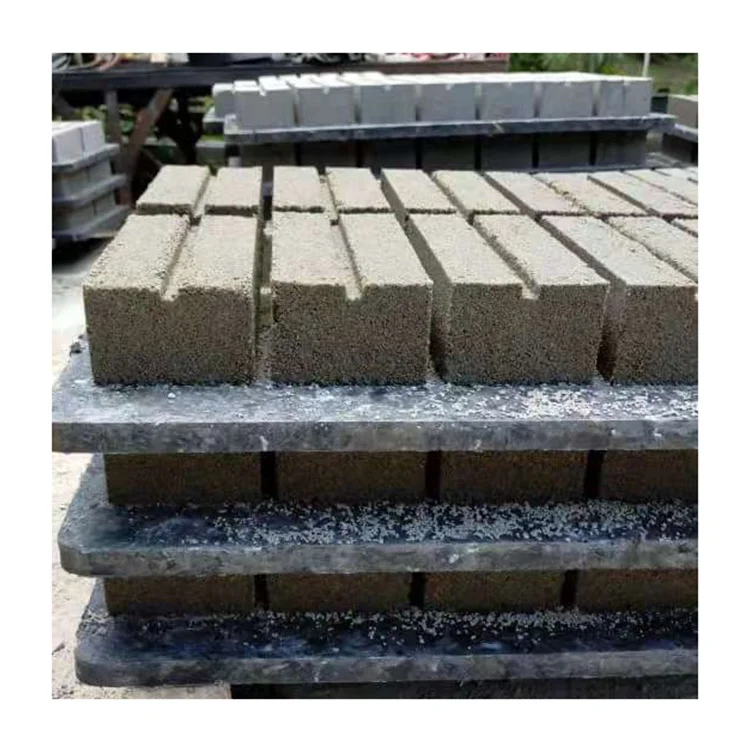
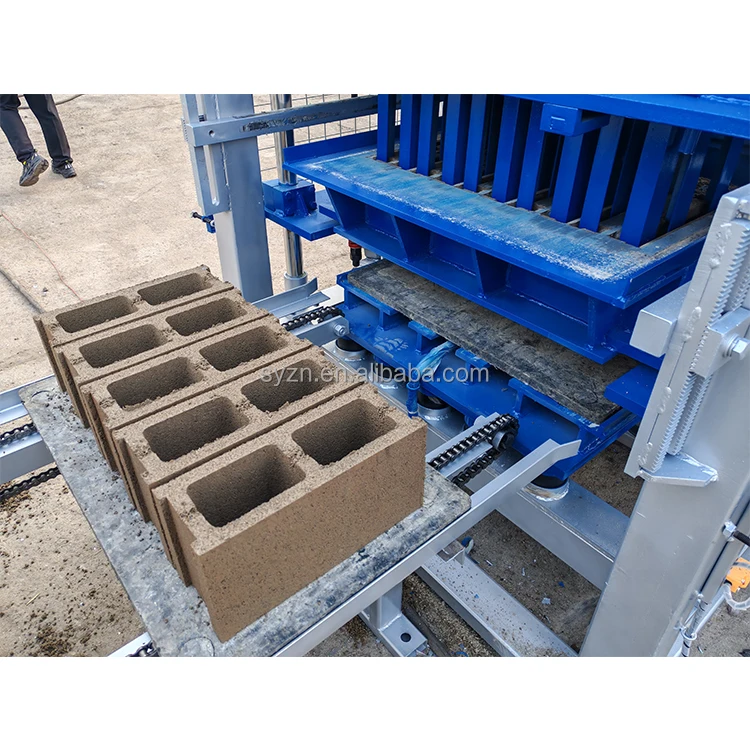
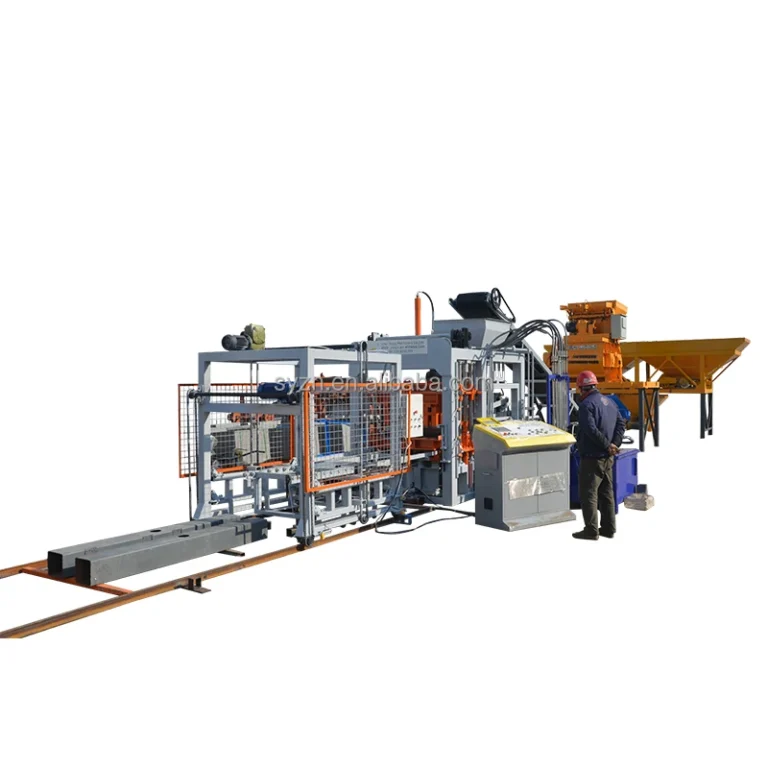
Single-Focus Line Configuration — the QT4-15A is specified alongside its pallet, mould, and handling stations as one matched system so cycle times align across every format you plan to produce.
Technical Specifications
| Parameter |
Value |
| Model |
QT4-15A |
| Product Type |
Hydraulic Block Making Machine |
| Overall Dimensions (L×W×H) |
7100 × 1600 × 2610 mm |
| Total Weight |
3 T |
| Molding Cycle |
15–25 s (basis not stated in source — confirm block format) |
| Vibration Frequency |
4600 r/min |
| Exciting Power (Vibration Force) |
40–50 kN |
| Rated Power |
18.45 kW |
| Mixer Model |
JQ350 |
| Pallet Size |
850 × 550 × 25 mm |
| Control System |
PLC control system |
| Hydraulic Station |
High-pressure hydraulic system included |
| Applied Products |
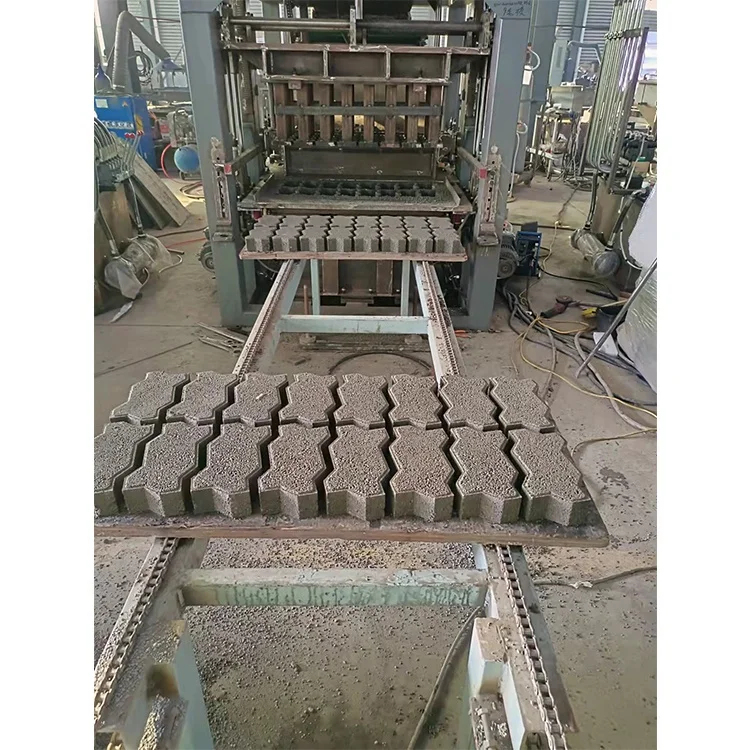
Paver, solid block, hollow block, curbstone (via mould change) |
| Raw Materials |
Crushed stone, sand, cement, dust, fly ash |
| Output — Hollow 400×200×200 mm |
4 pcs/mould, 408 pcs/h, 3264 pcs/8hr |
| Output — Hollow 400×150×200 mm |
5 pcs/mould, 510 pcs/h, 4080 pcs/8hr |
| Output — Solid 240×115×53 mm |
18 pcs/mould, 2100 pcs/h, 17000 pcs/8hr |
| Included Equipment |
Block machine, hydraulic station, PLC, pallet feeder, brick conveyor, block sweeper |
| Free Accessories |
Manual hydraulic trolley, spare parts and tools |
| Automation Level |
Semi-automatic with pallet feeder |
| Assembly & Shipment |
Complete unit, nude packing in 20GP container |
Application Suitability
| Application |
Material or Output |
| Medium-scale hollow block plant |
Crushed stone, sand, and cement producing 400×200×200 mm hollow blocks |
| On-site contractor production |
Hollow blocks and solid bricks for housing and infrastructure projects |
| Multi-format building material supply |
Pavers, solid bricks, and kerbstones through mould change on a single press |
| First plant for entrepreneurs |
Moderate-investment entry with PLC control and pallet feeder included |
| Fly ash brick production |
Fly ash blended with cement and aggregate for solid brick formats |
What "408 Blocks per Hour" Actually Means for Your Shift Plan
Output figures only hold when the block format, mix design, and curing logistics all match the quoted assumption.
I once watched a buyer in West Africa receive a hydraulic block making machine manufacturer shipment and immediately run it with local laterite soil instead of the crushed stone we tested with. The vibration force that worked perfectly in our factory produced crumbly blocks on his site because the aggregate density was completely different. Capacity numbers on a spec sheet assume a specific material and format — when any variable changes, the real output shifts. That is why every proposal I send now lists the exact block format behind each hourly figure, and I ask for a sample of the buyer’s local aggregate before we confirm the vibration and pressure settings [NEED_CITE: aggregate density and moisture impact on block compression strength].

Where the QT4-15A Sits on the SHIYUE Range
The QT4-15A occupies the mid-tier of the SHIYUE block machine lineup, positioned between entry-level semi-automatic models and the high-capacity fully automatic lines. Buyers who have outgrown manual pallet handling but do not yet need a complete automatic stacking and cubing system land here. The included pallet feeder removes the most labour-intensive step without pushing the investment into the next tier, giving you room to evaluate daily demand before committing to further automation.
Stepping Up Without Replacing the Press
Starting at this tier does not lock you in. The hydraulic block making machine manufacturer designs the QT4-15A so that additional automation stations — such as automatic stackers or curing rack handlers — can be integrated later if your output requirement grows. The PLC control system already present on this model serves as the foundation for those upgrades, meaning the transition from semi-automatic to a higher automation level involves adding peripheral equipment rather than swapping the core press [NEED_CITE: PLC expandability in modular block production lines].
Reading the Specs That Matter on Site
The vibration force of 40–50 kN works together with the high-pressure hydraulic station to compact the mix into a dense, consistent block. Vibration alone settles the aggregate, but hydraulic pressure locks it in place — if either value is mismatched to your mix design, you get weak edges or surface cracking. The 4600 r/min vibration frequency is tuned for standard crushed stone and sand blends; finer materials like fly ash may require frequency adjustment during commissioning. The 850 × 550 × 25 mm pallet size was chosen to align with common forklift tine widths and standard curing rack dimensions, so blocks can move from press to curing area without re-handling. Rated power of 18.45 kW covers the press, hydraulic pump, and pallet feeder together, which means your electrical supply must accommodate that total draw plus the JQ350 mixer on a separate circuit.
The Cost of Skipping the Voltage Conversation
I have seen containers arrive at port with the machine wired for a voltage the buyer’s workshop cannot supply. A PLC display locked to a language the operator cannot read turns a straightforward commissioning into a week of delays while firmware is updated remotely. When pallet size is chosen without checking the buyer’s existing curing racks, the first production run stacks unevenly and blocks crack during curing. These are not machine defects — they are configuration gaps that surface only after the crate is open [NEED_CITE: common commissioning delays in exported concrete machinery].
Why Buyers Source This Tier from SHIYUE
Block machinery is our single focus, so the QT4-15A is never quoted as a standalone press — the mould, pallet, feeder, and conveyor are specified as one line from the first proposal. We configure vibration and pressure against your actual mix design and local aggregate, not a catalogue default. Mould design covers the formats your market sells, and custom mould drawings are available when standard formats do not match. The automation level is selectable, allowing you to begin semi-automatic and add stacking or cubing stations as demand justifies. Installation support includes on-site commissioning and operator training so your team can run independent mould changes from week one.
Documentation & Verification
- Line layout showing pallet flow from feeder through press to conveyor for the QT4-15A footprint
- Capacity calculation sheet listing hourly output per specific block format and mould
- Machine specification sheet confirming hydraulic pressure and vibration force ratings
- Pallet specification matching 850 × 550 × 25 mm dimensions to your curing rack layout
- Voltage, frequency, and PLC display language confirmation signed before production
- Factory test record using your confirmed block format and mix ratio before dispatch
Installation, Commissioning & Support
- Foundation pad must be level and cured to support the 3 T operating weight of the QT4-15A
- Dedicated electrical circuit rated for 18.45 kW plus separate supply for the JQ350 mixer
- Shipped as a complete unit in a 20GP container — no major sub-assembly required on arrival
- Voltage and frequency verified against your site supply before the hydraulic station is energized
- PLC display language set to your operator preference and confirmed during commissioning
- Mould change procedure trained on-site so your team can switch formats within a single shift
What We Need to Size Your Line Correctly
To prepare a proposal that reflects your actual production conditions, share the block formats you sell most, your target daily output per format, and a sample or description of your local aggregate. Let us know your site voltage and frequency, the PLC language your operators prefer, and whether you already have curing racks and forklifts so we can match pallet specifications accordingly.
Frequently Asked Questions
Q: Where does the QT4-15A sit compared to fully automatic SHIYUE lines?
A: The QT4-15A is a mid-tier semi-automatic hydraulic block making machine with a PLC-controlled pallet feeder. Fully automatic SHIYUE lines add automatic stacking, curing rack handling, and cubing stations. The QT4-15A press can serve as the core of a future automatic line if you add those peripheral stations later.
Q: How is realistic daily output calculated for each block format?
A: Each output figure is based on the specific mould cavity count and the 15–25 second molding cycle for that format. For example, the 400×200×200 mm hollow block produces 4 pieces per mould at 408 pieces per hour over an 8-hour shift. Actual output depends on your mix design, operator pace, and pallet handling logistics.
Q: What plant footprint does this tier need versus the next tier up?
A: The QT4-15A press measures 7100 × 1600 mm, and you must add space for the JQ350 mixer, raw material storage, curing racks, and block conveyor. Fully automatic lines require additional length for stacking and cubing stations. We provide a line layout drawing showing the exact footprint before you commit.
Q: Can I upgrade automation later without replacing the press?
A: Yes. The PLC control system on the QT4-15A supports integration of automatic stackers, pallet return systems, and cubing stations. The upgrade path involves adding peripheral equipment and updating PLC programming rather than changing the core hydraulic press or mould system.
Q: Which voltage and PLC language options are available?
A: Voltage and frequency are configured to match your site supply — this must be confirmed before production begins. The PLC display language is set to your preference during commissioning. We document the agreed voltage, frequency, and language in the specification sheet signed off prior to manufacturing.

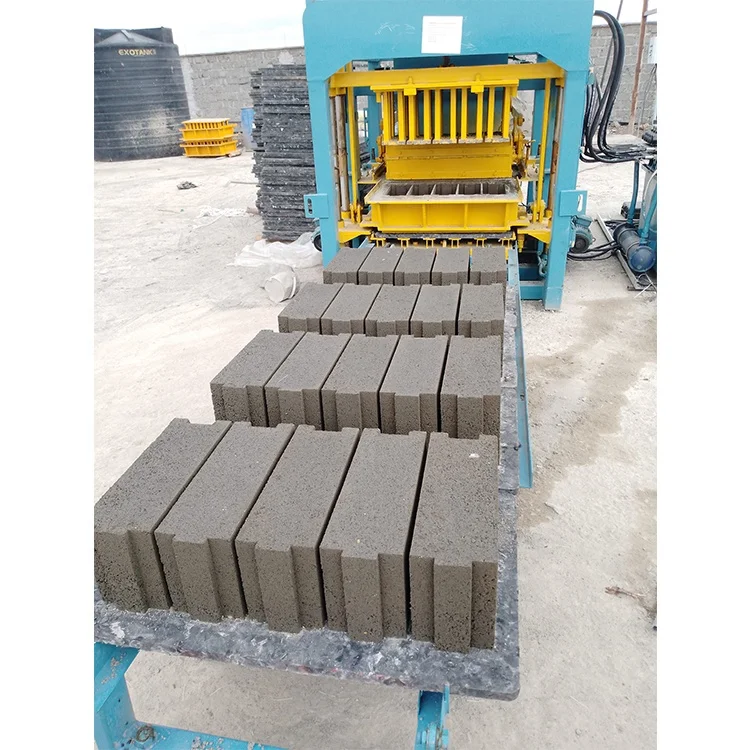
 High quality block machine