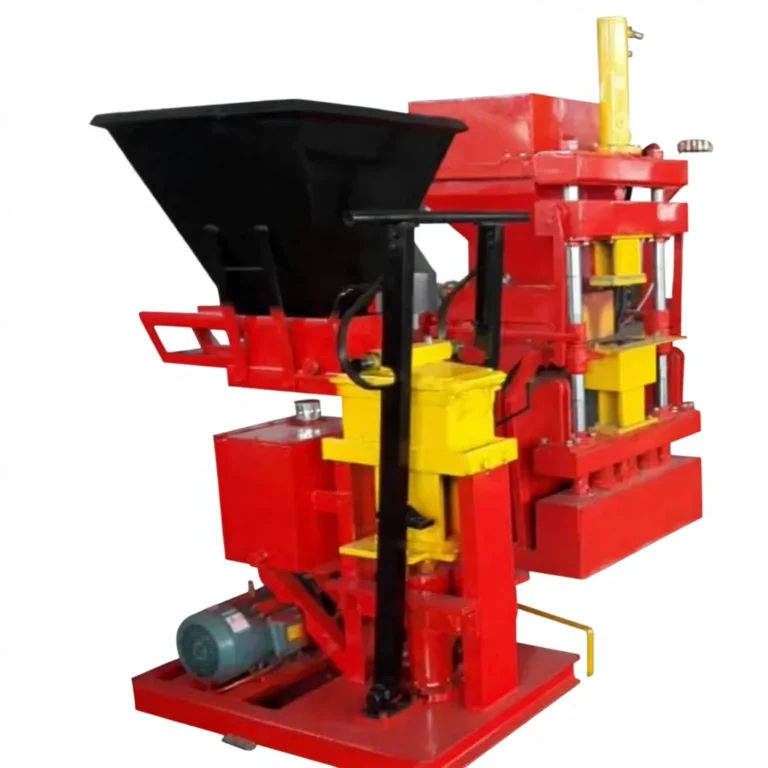
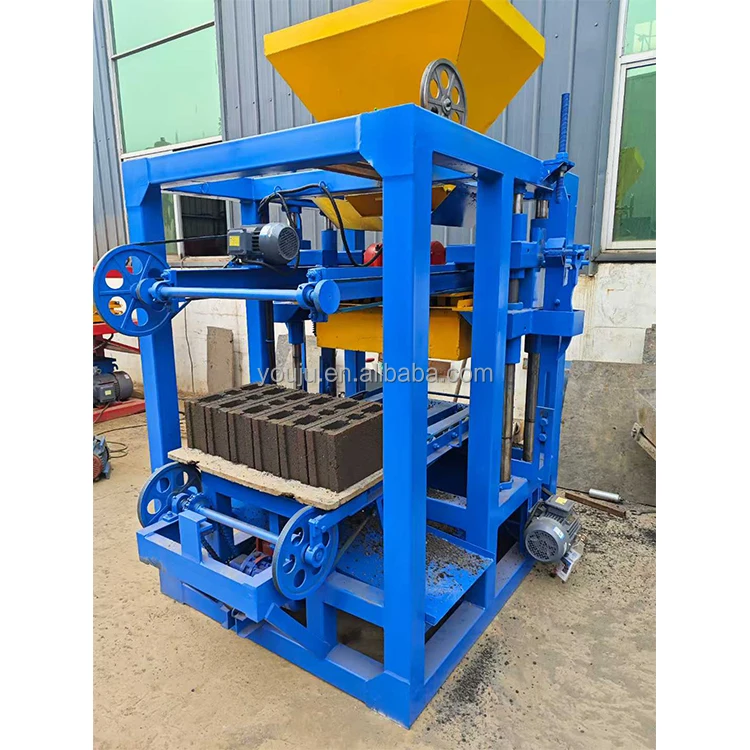
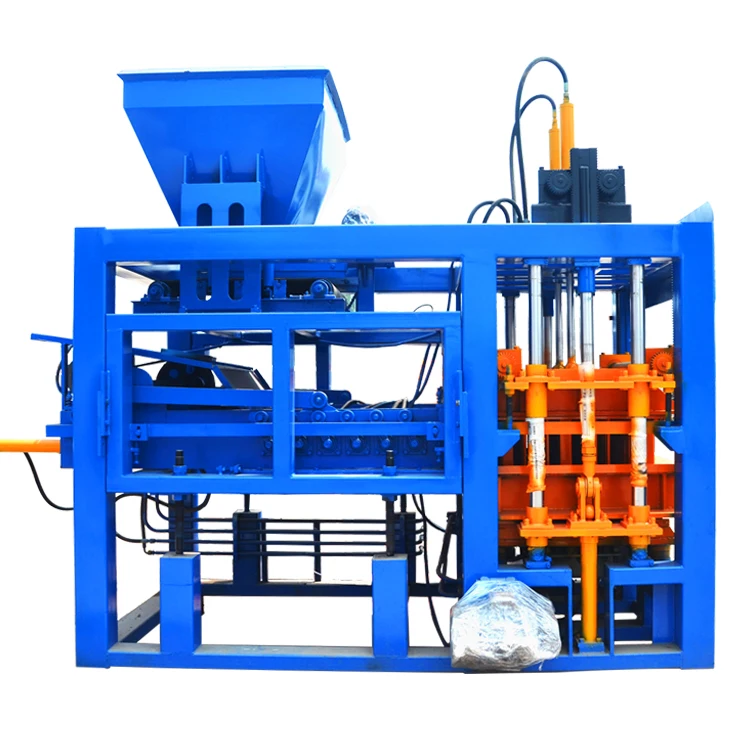
Integrated System Match — every QT4-15 block machine is specified as one complete system with matched mould, pallet, and handling, not assembled from mismatched suppliers.
Technical Specifications
| Parameter |
Value |
| Model |
QT4-15 |
| Product Type |
Hydraulic Automatic Concrete Block Making Machine |
| Control System |
PLC controlled with approach switch monitoring |
| Molding Cycle |
15-30s |
| Pallet Size |
900x500mm |
| Vibration Type |
Platform vibration |
| Vibration Frequency |
50-70Hz |
| Product Height Range |
50-220mm |
| Demolding Method |
Hydraulic |
| Overall Power |
24.5kW |
| Output Capacity (Hollow 400×200×200mm) |
900-1200 pcs/h (4 pcs/mould, 15-20s cycle) |
| Output Capacity (Hollow 400×150×200mm) |
1080-1440 pcs/h (5 pcs/mould, 15-20s cycle) |
| Output Capacity (Hollow 400×100×200mm) |
1440-1920 pcs/h (8 pcs/mould, 15-20s cycle) |
| Output Capacity (Paver 200×100×60mm) |
2880-3840 pcs/h (16 pcs/mould, 15-20s cycle) |
| Output Capacity (Solid Brick 240×115×53mm) |
5930-6720 pcs/h (28 pcs/mould, 15-20s cycle) |
| Raw Materials |
Fly ash, slag, gangue, sand, crushed stone, cement, water |
| Compressive Strength |
More than 15 MPa (basis to be confirmed against buyer mix design) |
| Automation Level |
Automatic (pallet feeding, material feeding, vibrating, demoulding automated) |
| Electrical & Hydraulic Components |
Original imported or China famous brand (confirm specific brands) |
| Voltage & Frequency |
Configurable (confirm before production) |
| Block Formats |
Hollow block, paver brick, solid brick (by mould change) |
Application Suitability
| Application |
Material or Output |
| Hollow block wall construction |
400×200×200mm, 400×150×200mm, 400×100×200mm from crushed stone, sand, fly ash, and cement |
| Interlocking and paving surfaces |
200×100×60mm paver brick from graded aggregate and cement |
| Solid brick for load-bearing walls |
240×115×53mm from sand, gangue, slag, and cement |
| Industrial residue utilization |
Fly ash, slag, and gangue blended into standard block mixes |
| Mid-scale fixed-plant production |
Daily shift-based output for small and medium block factories |
What "1500 Blocks per Hour" Leaves Out About the QT4-15 Hydraulic Block Making Machine
Capacity means nothing without the block format it assumes.
Every output figure for the QT4-15 hydraulic block making machine is tied to a specific block dimension, mould cavity count, and cycle time. When a supplier quotes a single capacity number, they are almost always basing it on the smallest, fastest-running format. I have stood on factory floors where the buyer expected one throughput and got a fraction of it because the quoted number assumed solid bricks while the buyer’s market demanded 200mm hollow blocks. The gap between a catalogue headline and actual daily output is where projects lose money. [NEED_CITE: block format assumptions in capacity quotations]

Where the QT4-15 Sits in the Full Machine Range
This machine occupies the mid-tier automatic position. Below it sit semi-automatic models that require manual pallet handling and produce fewer blocks per shift. Above it are high-capacity automatic lines with integrated stacking, cubing, and curing rack systems that demand larger plant footprints and higher investment. The QT4-15 fits buyers who need consistent PLC-controlled automation without committing to a full high-volume line. Its 24.5kW overall power draw and 900×500mm pallet size suit workshops with moderate electrical infrastructure and limited curing space.
Choosing Between Semi-Automatic and Fully Automatic Operation
The decision is not about which machine is better in isolation — it is about where you are today and where you plan to be in two years. A semi-automatic machine costs less upfront but ties two or three workers to pallet handling and stacking every shift. The QT4-15 automates pallet feeding, material feeding, vibration, and hydraulic demoulding, freeing those workers for mixing, curing management, or dispatch. For a buyer planning to add a second machine later, starting with a PLC-controlled unit means the operator skills and maintenance routines are already in place. The automation level is selectable, so a buyer can begin with this configuration and expand. [NEED_CITE: automation level and labour allocation in block plants]
How Vibration Frequency, Pallet Size, and Hydraulic Pressure Work Together
Platform vibration at 50-70Hz compacts the concrete mix against the mould walls. Vibration alone is not enough — hydraulic pressure locks the material into dense form before demoulding. If the vibration frequency is too low for a stiff mix, blocks crack at the edges. If hydraulic pressure is too high for a wet mix, the block slumps before it reaches the curing area. The 50-220mm product height range covers everything from thin pavers to tall hollow blocks, but each format requires a different balance of vibration time and pressure. The 900×500mm pallet must also match the forklift tines and curing rack spacing in your existing yard — a mismatch means pallets pile up on the floor while blocks cure unevenly. [NEED_CITE: vibration and hydraulic pressure matching in concrete block production]
The Cost of Skipping the Raw Material Conversation
When a buyer orders a machine configured for clean river sand but the local supply is crushed limestone with high fines content, the vibration parameters need adjustment before the first shift ends. Blocks come out with honeycomb surfaces, low compressive strength, or both. I have seen a full week lost to recalibrating vibration frequency and cycle timing because nobody asked what aggregate was actually available within 50 kilometers of the site. The mix design determines the vibration force required, the hydraulic pressure setting, and the moulding cycle length. None of these can be finalized from a catalogue. [NEED_CITE: local aggregate variability and block strength outcomes]
Why Buyers Source This Range Here
Block machinery is the single focus of this operation, which means the QT4-15 arrives with mould, pallet, and handling specified as one matched system. The configuration is set against the buyer’s actual mix design and target block format rather than a default catalogue entry. Mould design covers the formats the buyer’s market actually sells, including custom drawings when standard formats do not match local building codes. Voltage, frequency, and PLC display language are confirmed before production starts, so there are no delays on arrival. Factory testing runs the machine on the specified block format before it leaves the workshop.
Documentation & Verification
- Line layout with capacity calculation tied to each specific block format and cycle time
- Machine specification sheet confirming voltage, frequency, and PLC language before build
- Mould drawing and format list matching pallet size to your curing rack dimensions
- Hydraulic and electrical schematic for local maintenance teams
- Factory test record on your chosen block format with photographs before dispatch
Installation, Commissioning & Support
- Foundation must support 24.5kW overall power with dedicated circuit matching confirmed voltage and frequency
- PLC control panel configured in buyer’s language before dispatch to avoid on-site reprogramming delays
- Pallet size 900×500mm verified against existing forklift and curing rack spacing prior to shipment
- First-run commissioning includes vibration frequency and hydraulic pressure adjustment to local aggregate
- Operator training covers mould change procedure across hollow, paver, and solid formats
- Wear parts list with hydraulic seals and approach switches identified for first reorder cycle
What to Share When Requesting a Proposal
A useful inquiry starts with the block formats your market actually buys and the daily volume you need to hit. Share your local raw materials — specifically what aggregate, sand type, and cement grade are available within a practical transport distance. Include your site voltage and frequency, the PLC language your operators will need, and whether you already have forklifts and curing racks that the pallet size must match. If you are replacing an existing machine, note the current mould formats and any problems with the present setup.
Frequently Asked Questions
Q: How is the QT4-15 capacity verified and what does each output figure assume?
A: Every output number is stated per block format with mould cavity count and cycle time. For example, 900-1200 pieces per hour applies to 400×200×200mm hollow blocks with four cavities at a 15-20 second cycle. Different block sizes produce different hourly volumes. We provide a capacity calculation document that ties each figure to a specific format.
Q: Where does the QT4-15 sit compared to semi-automatic and higher-tier machines?
A: It is a mid-tier automatic hydraulic machine. Semi-automatic models below it require manual pallet handling. Higher-tier lines above it add automatic stacking, cubing, and curing rack handling for large-scale plants. The QT4-15 suits small to medium factories that want PLC automation without the footprint of a full high-capacity line.
Q: What voltage, frequency, and PLC language options are available?
A: Voltage and frequency are configurable to match your local supply standard and must be confirmed before production begins. The PLC display language is also set during the build phase. This avoids commissioning delays caused by mismatched electrical systems or unreadable control screens on site.
Q: What plant footprint and investment level should I expect?
A: The QT4-15 is designed for small and medium factory setups with its 900×500mm pallet size and 24.5kW power draw. Exact footprint depends on whether you add raw material feeding, curing racks, and stacking equipment around the press. A site visit or layout drawing helps determine the full line arrangement before ordering.
Q: How does the QT4-15 compare to mobile or egg-laying block machines?
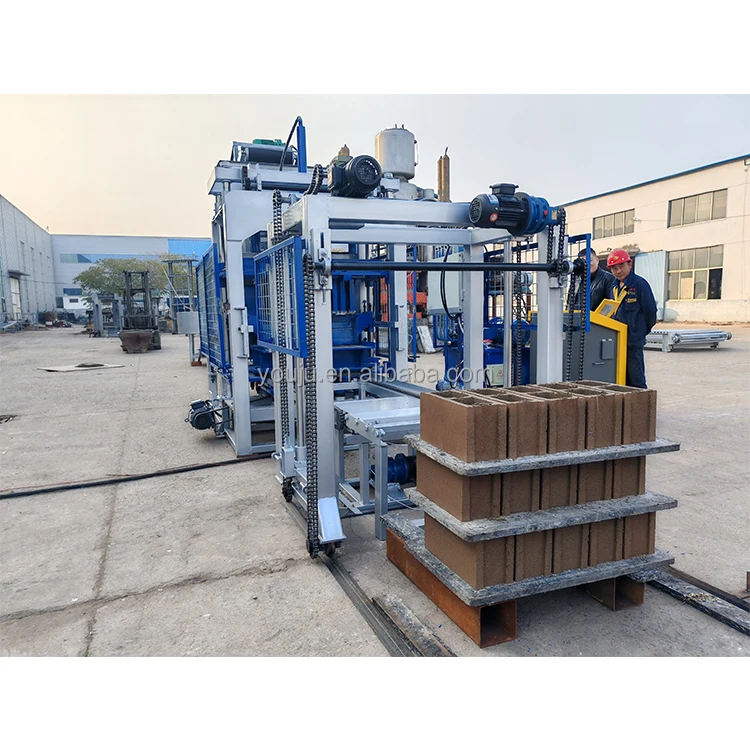
A: Mobile and egg-laying machines produce blocks on open ground without fixed pallets, suitable for on-site project work. The QT4-15 is a stationary plant machine that uses pallets and delivers higher consistency and format flexibility. It requires a fixed production area with curing space but suits buyers producing for market sale rather than a single construction project.

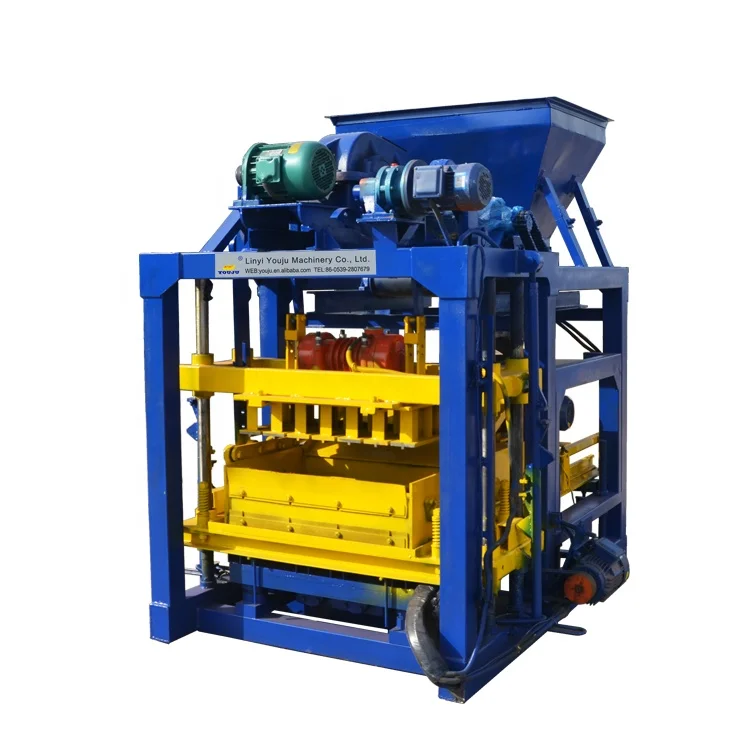 Stationary block machine