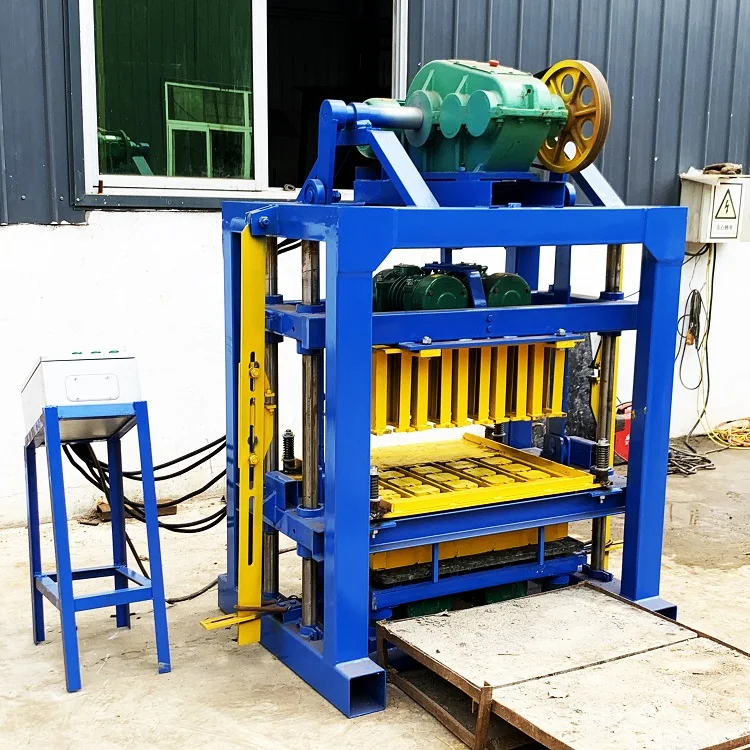
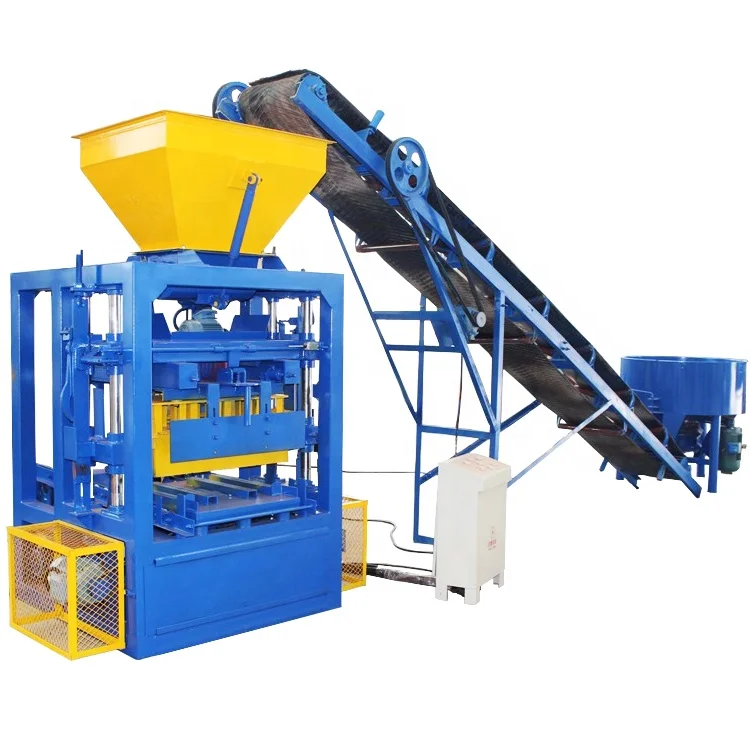
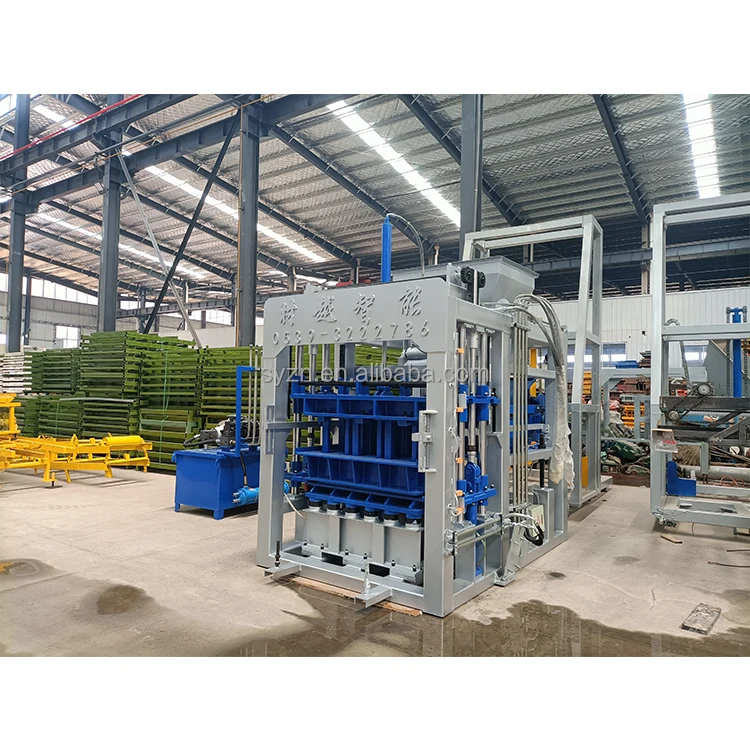
Single-Focus Machinery Engineering — every press, mould, and stacking unit on the QT18-25 line is matched as one integrated system rather than assembled from disconnected suppliers.
Technical Specifications
| Parameter |
Value |
| Model |
QT18-25 |
| Product Type |
Fully Automatic Pallet-free Block Making Machine |
| Brick Height Range |
50–300 mm |
| Stacking Height |
0–1200 mm |
| Main Vibration Form |
Platform Vibration |
| Vibration Frequency |
2800–4500 r/min |
| Pallet Size |
1350 × 1350 × 120 mm (source value — verify against pallet-free designation) |
| Molding Cycle |
15–25 s (basis to be confirmed by block format and mix) |
| Vibration Power |
60 kW |
| Hydraulic System Power |
59 kW |
| Driving Method |
Hydraulic |
| Demolding Method |
Vibration and Hydraulic |
| General Water Consumption |
Approx. 8 T/Day |
| Factory Area Required |
Approx. 2000 m² |
| Control System |
PLC with person-machine conversation interface |
| Automation Level |
Fully automatic, pallet-free, direct stacking after moulding |
| Output Capacity |
To be calculated per target block format (basis to be confirmed) |
Application Suitability
| Application |
Material or Output |
| Hollow block production for structural walls |
Crushed stone, sand, cement, and fly ash blends |
| Solid block manufacturing for load-bearing construction |
Gravel, sand, and cement mixes with local aggregate |
| Interlocking paver production for driveways and walkways |
Colored face mix over standard concrete base |
| Curbstone and kerbstone forming for road infrastructure |
High-density concrete with coarse aggregate |
| Porous and permeable block runs for drainage systems |
Open-graded aggregate with controlled cement content |
What Buyers Miss When Comparing Block Machine Tiers
The gap between a quoted cycle time and actual daily output widens the more formats a plant runs. When a fully automatic block making machine manufacturer lists a single production figure, that number usually assumes one specific hollow block size under ideal conditions. In practice, a plant switching between pavers, solid blocks, and curbstones on the same shift will see different cycle times, different demolding behavior, and different stacking patterns. I once watched a buyer in the Middle East base an entire project timeline on a catalogue output number, only to discover on commissioning day that the local volcanic slag aggregate required a completely different vibration profile. The machine was physically capable, but the parameters needed weeks of on-site tuning. That mismatch between expectation and reality is what separates successful block plants from stalled ones [NEED_CITE: common causes of commissioning delays in concrete block plants].

Where the QT18-25 Sits in the Full Machine Range
The SHIYUE range spans mobile egg-laying units for small on-site jobs, semi-automatic presses for first-time plant owners, and high-capacity fully automatic lines for established producers. The QT18-25 occupies the top tier as a fully automatic block making machine manufacturer offering, designed for buyers who need continuous volume without the recurring cost and floor space of a pallet circulation system. Its pallet-free stacking approach means freshly moulded blocks are lifted and placed directly onto the curing floor, removing the need to purchase, maintain, and rotate thousands of wooden or composite pallets. This positions the machine for plants where floor space is available but pallet logistics would create a bottleneck.
Understanding the Investment and Footprint Difference
Compared to semi-automatic models in the range, the QT18-25 requires a larger factory footprint — roughly 2000 m² — to accommodate the press, raw material feeding, mixing station, and the curing area needed for blocks stacked up to 1200 mm high. The investment is correspondingly higher, but the trade-off is a significant reduction in manual handling labor and a consistent production rhythm that does not depend on pallet return speed. Buyers moving up from a mobile or semi-automatic press should evaluate whether their site can support the curing layout and whether their daily volume targets justify stepping into this tier [NEED_CITE: typical plant layout requirements for pallet-free block production].
Reading the Specs That Actually Shape Production
The 60 kW vibration system and 59 kW hydraulic system together determine how densely the concrete is compacted into the mould. Higher vibration frequency — adjustable between 2800 and 4500 r/min — works well for fine aggregates like fly ash and sand, producing a smoother surface on pavers and interlocking blocks. Coarser mixes with crushed stone and gravel often need lower frequency with higher hydraulic pressure to push the material into mould corners. The brick height range of 50 to 300 mm means a single QT18-25 can cover thin pavers and tall hollow blocks, but each format change requires a mould swap and parameter adjustment. The PLC with person-machine conversation interface stores recipes for different formats, so an operator can recall settings rather than manually resetting vibration and pressure each time. Water consumption at approximately 8 tonnes per day reflects the mixing demand of continuous production, and the buyer’s water supply must be sized accordingly before installation.
The Hidden Cost of Skipping Configuration Checks
A machine configured for a standard river sand mix will not perform identically with local volcanic ash, recycled construction aggregate, or high-clay desert sand. If the vibration force and hydraulic pressure are not matched to the actual mix design before the machine leaves the factory, the buyer faces weeks of trial-and-error on site. Blocks may crack during curing, show inconsistent strength across a batch, or fail to release cleanly from the mould. Voltage and frequency mismatches compound the problem: a 400 V / 50 Hz machine arriving at a 440 V / 60 Hz site will run at the wrong motor speed, altering vibration characteristics and potentially damaging hydraulic pumps. These are not theoretical risks — they appear regularly in commissioning reports from export markets [NEED_CITE: electrical compatibility issues in exported industrial machinery].
Why Source This Machine From SHIYUE
Block machinery is our single focus, which means the QT18-25 press, its moulds, pallet handling approach, and stacking system are specified as one matched package rather than sourced from separate vendors. Configuration is set against the buyer’s actual mix design and local aggregate, not pulled from a catalogue default. Mould design covers the formats the buyer’s market actually sells, including custom drawings when standard moulds do not match local block dimensions. Automation level is selectable, so a buyer can start with semi-automatic handling on the same platform and add automatic stacking later. Installation support includes operator training so that the crew running the machine on day one understands the recipe recall system and basic maintenance routines.
Documentation & Verification
- Line layout drawing showing QT18-25 placement and curing area sized for 1200 mm stacking height
- Capacity calculation stating the exact block format and mix assumed for each output figure
- Factory test record with vibration frequency, hydraulic pressure, and cycle time for your target formats
- Voltage, frequency, and PLC display language confirmation signed off before production begins
- Complete wear parts and mould list provided at quotation stage for first-replacement planning
Installation, Commissioning & Support
- Foundation plan sized for the QT18-25 footprint and vibration load within your 2000 m² factory area
- Electrical connection spec covering the combined 119 kW vibration and hydraulic power draw at your local voltage
- Machine dismantling and container loading plan with reassembly sequence at destination
- On-site commissioning with vibration and hydraulic parameters tuned to your actual raw material mix
- Operator training on PLC recipe storage, mould change procedure, and daily maintenance checkpoints
- Wear parts and mould supply schedule aligned with your first anticipated replacement cycle
What We Need to Size Your Line Correctly
To move from general interest to a firm configuration, we need to know your target block formats and the daily volume expected for each. Share your local raw material — the specific aggregate, sand type, and cement available in your area — along with any lab test data on particle size distribution. Confirm your site’s voltage, frequency, and preferred PLC display language so that electrical and control systems are built to match. If you have an existing curing area or forklift fleet, let us know the dimensions and capacity so the stacking layout integrates with what you already operate.
Frequently Asked Questions
Q: How is the QT18-25 output capacity calculated, and which block format does the quoted figure assume?
A: Output is calculated per specific block format, mix design, and molding cycle time. A hollow block, a solid block, and a paver each require different cycle lengths on the QT18-25. We provide a capacity table showing pieces per shift for each format you plan to produce, based on your actual raw material, so the number reflects your real production rather than a single catalogue figure.
Q: Where does the QT18-25 sit compared to semi-automatic and mobile models in the SHIYUE range?
A: The QT18-25 is at the high-capacity automatic end of the range. Semi-automatic models require manual pallet handling and suit lower daily volumes or first-time buyers. Mobile egg-laying machines produce on-site without a fixed plant. The QT18-25 targets established plants needing continuous volume with pallet-free stacking, requiring a larger footprint and higher investment but delivering consistent output with less manual labor.
Q: What voltage, frequency, and PLC language options are available for the QT18-25?
A: The electrical system is configurable for the voltage and frequency standard at your site, and the PLC display language is set before production. These details are confirmed in writing during the quotation stage to prevent commissioning delays. Buyers should verify their local supply specifications early so the machine arrives ready to connect.
Q: How does the pallet-free stacking system work, and what curing area layout is needed?
A: After moulding, blocks are lifted directly from the press and stacked on the curing floor up to 1200 mm high, eliminating the need for pallets. The curing area must be flat, level, and large enough to hold the day’s production at full stacking height. We provide a layout drawing showing spacing for forklift access and curing rack placement based on your factory dimensions.
Q: What is included in installation and operator training for the QT18-25?
A: Installation covers machine reassembly, electrical and hydraulic connection, and parameter tuning with your actual raw materials. Operator training includes PLC operation, recipe recall for different block formats, mould change procedure, and daily maintenance routines. The buyer prepares the foundation, power supply, and raw material stock before the team arrives on site.

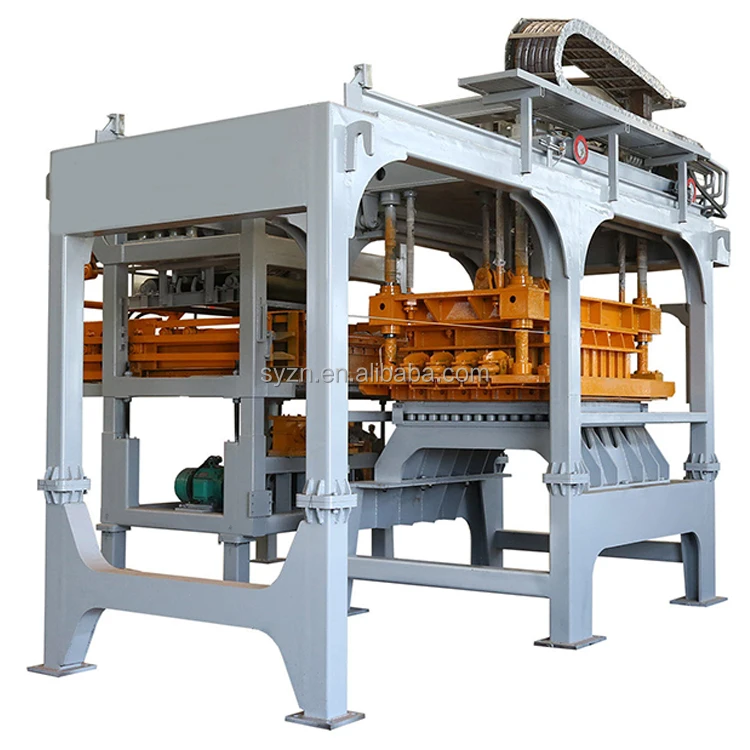
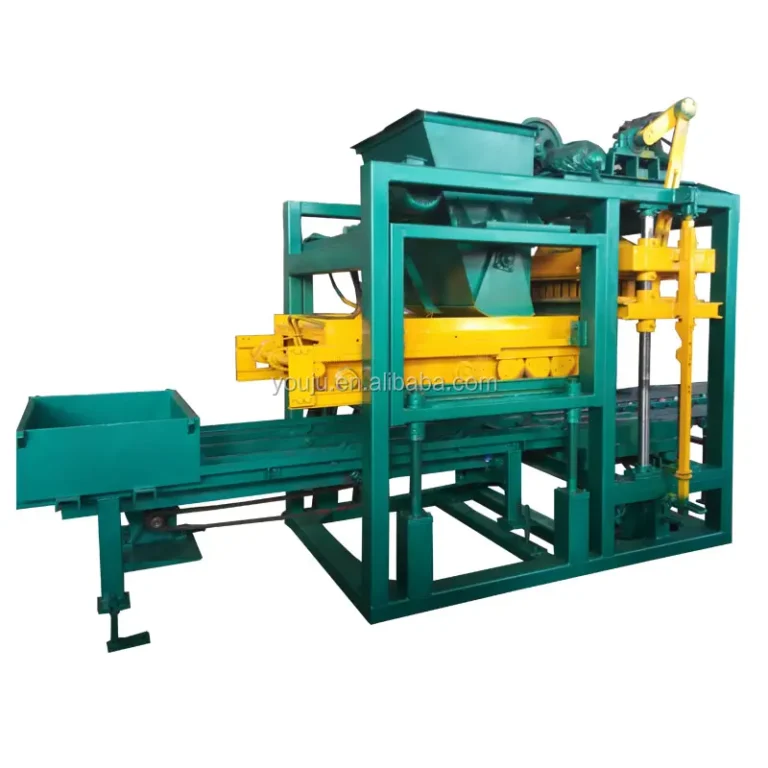 Stationary block machine