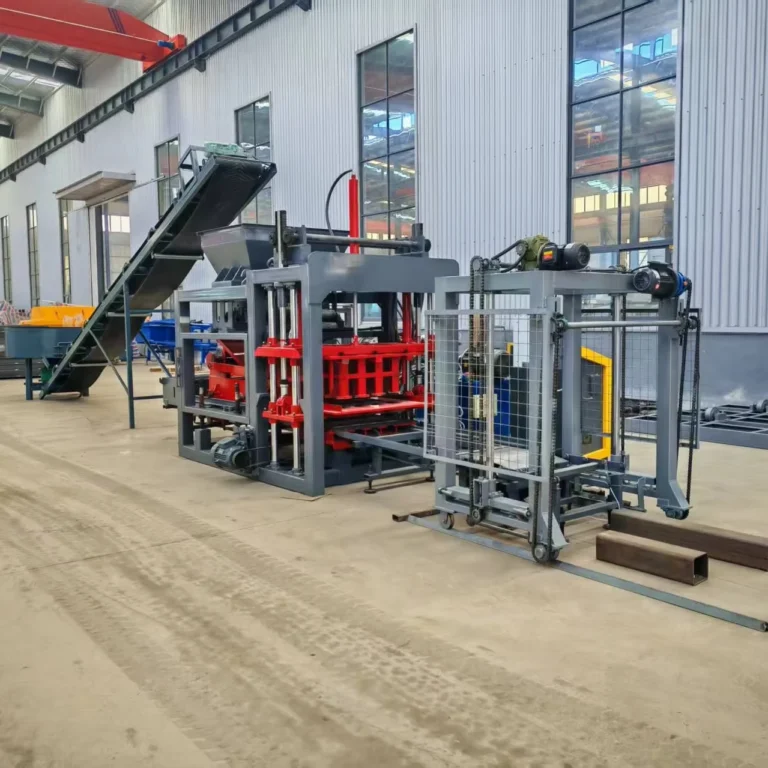
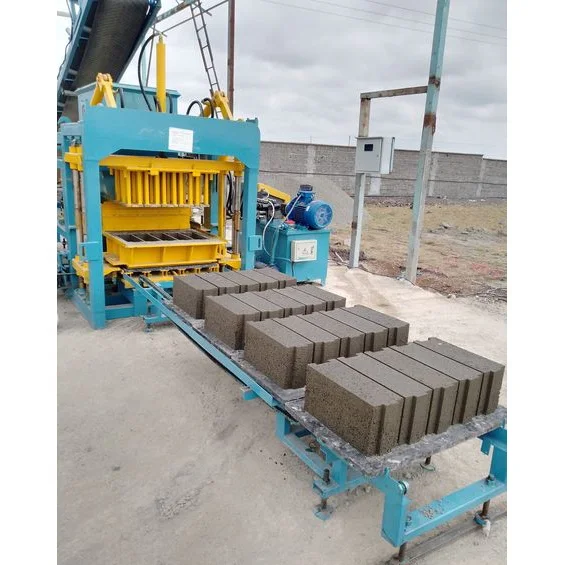
Specified to Your Actual Block Format — The QT10-15 automatic block making machine is configured against your local aggregate, target block size, and daily output requirement, not a catalogue default.
Technical Specifications
| Parameter |
Value |
| Model |
QT10-15 |
| Product Type |
Automatic Hydraulic Concrete Block Making Machine |
| Control System |
PLC control cabinet |
| Hydraulic System |
Independent integrated hydraulic station |
| Vibration Mode |
Vertical station mode resonance with automatic FM-AM |
| Mould Change |
Quick mold replacement for multi-format production |
| Output Capacity (Hollow Block 400×200×200mm) |
1,800–2,400 pcs/hour (14,400–19,200 pcs per 8-hour shift) |
| Output Capacity (Hollow Block 400×150×200mm) |
2,160–2,880 pcs/hour (17,280–23,040 pcs per 8-hour shift) |
| Output Capacity (Solid Brick 240×115×53mm) |
8,928–11,160 pcs/hour (71,424–89,280 pcs per 8-hour shift) |
| Output Capacity (Paving Block 200×100×60mm) |
5,184–6,480 pcs/hour (41,472–51,840 pcs per 8-hour shift) |
| Output Capacity (Paving Block 225×112.5×60mm) |
4,032–5,040 pcs/hour (32,256–40,320 pcs per 8-hour shift) |
| Cycle Time (Hollow Block / Solid Brick) |
15–20 seconds |
| Cycle Time (Paving Blocks) |
20–25 seconds |
| Qty per Mould (400×200×200mm) |
10 pcs |
| Qty per Mould (400×150×200mm) |
12 pcs |
| Qty per Mould (240×115×53mm) |
62 pcs |
| Qty per Mould (200×100×60mm) |
27 pcs |
| Qty per Mould (225×112.5×60mm) |
24 pcs |
| Automation Level |
Automatic |
| Voltage & Frequency |
Configurable to buyer’s local grid (basis to be confirmed) |
| PLC Display Language |
Configurable before commissioning (basis to be confirmed) |
| Warranty |
1 year for the whole machine (excluding spare parts) |
| Key Features |
Pallet feed machine, storage hopper, conveyor, hydraulic unit, PLC control cabinet |
Application Suitability
| Application |
Material or Output |
| Hollow block production (400×200×200mm, 400×150×200mm) |
Crushed stone, sand, cement, fly ash, water |
| Standard solid brick production (240×115×53mm) |
Fine aggregate, cement, water |
| Paving block production (200×100×60mm, 225×112.5×60mm) |
Coarse aggregate, cement, pigment (optional) |
| Multi-format block plants |
Variable mix designs across formats |
| On-site construction block production |
Locally sourced aggregate with cement binder |
| First block plant for entrepreneurs |
Standard concrete mix with regional raw materials |
What "Cycle Time 15 Seconds" Actually Means for Your Plant
The cycle time only holds when vibration force, hydraulic pressure, and your mix design are matched — not when they come from a generic settings sheet.
I once watched a buyer in West Africa lose an entire production day because his QT10-15 automatic block making machine kept stalling on hollow blocks. The vibration frequency was set for clean river sand, but his local quarry ran high-clay aggregate that absorbed water differently. The PLC showed green across the board while blocks crumbled on the pallet. That mismatch between catalogue cycle time and real aggregate is the gap where most output claims fall apart [NEED_CITE: effect of aggregate clay content on concrete block vibration requirements]. When you survey the complete block machine range, the honest question is not which model quotes the fastest cycle, but which supplier will test your specific raw material before locking in the settings.

Where the QT10-15 Sits in the Complete Range
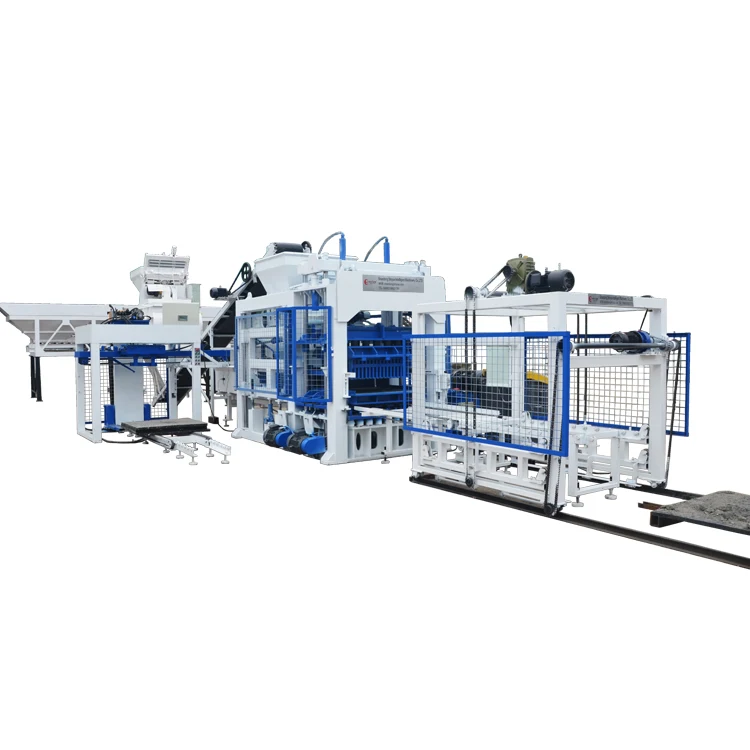
The QT10-15 occupies the high-capacity fully automatic tier within the Shiyue block machine lineup. Buyers comparing their options typically start by understanding the investment jump from semi-automatic models with manual pallet handling to this tier, where automatic pallet feeding, vibration, and PLC-controlled cycling remove the operator from the press rhythm. For a first block plant, the deciding factor is often whether daily volume justifies the footprint and supporting equipment this tier requires.
Automatic, Semi-Automatic, or Mobile — Matching Tier to Project Reality
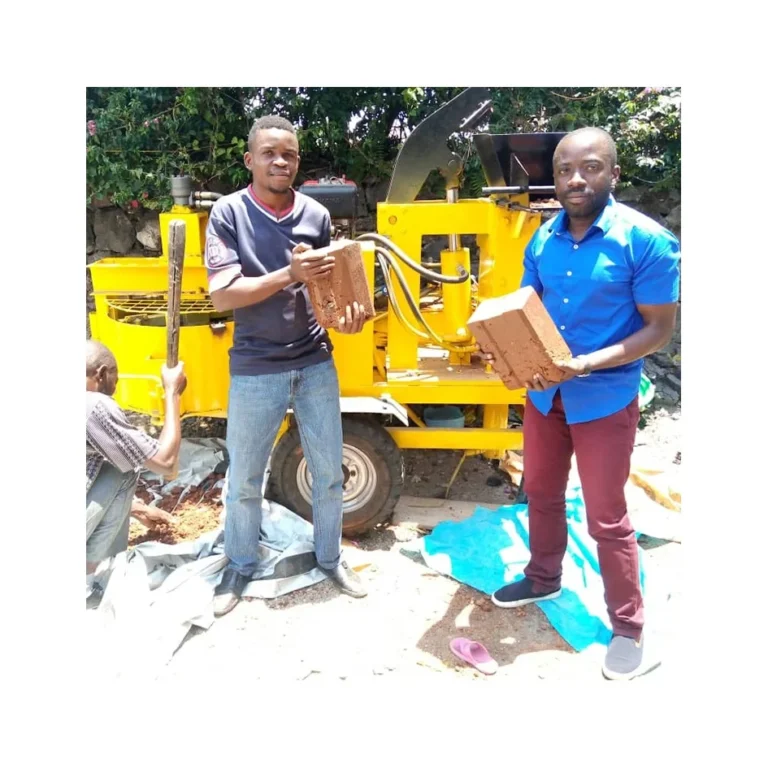
Mobile and egg-laying machines serve on-site production where a fixed plant footprint is not available, typically for housing projects producing a single block format in limited volume. Semi-automatic models suit workshops that can handle manual pallet transfer and stacking with lower capital outlay. The QT10-15 automatic block making machine enters the conversation when a buyer needs consistent multi-format output across a full shift, with pallet handling and stacking integrated so the press is never waiting on manual labour [NEED_CITE: block plant automation level selection criteria]. Understanding where each tier sits helps buyers avoid over-investing in capacity they cannot fill or under-investing in a line that bottlenecks within the first year.
Reading the Specs That Matter for Plant Layout
The independent integrated hydraulic station sits isolated from the press vibration zone, which protects valve seals and hose fittings from the fatigue that dust and continuous shock cause in shared-mount designs. Vertical station mode resonance with automatic FM-AM tuning adjusts vibration frequency and amplitude as the mould fills, meaning a 400×200×200mm hollow block and a 200×100×60mm paving block each receive the compaction profile suited to their cavity geometry. The quick mould replacement system matters most when your market demands format changes within a single shift — a changeover that takes most of a morning cancels out the flexibility you paid for. Pallet size, which must match both the machine output and your existing curing area and forklift capacity, determines whether the line integrates with your current yard layout or forces a reorganisation.
When the Wrong Tier Costs More Than the Machine
A buyer who selects a high-capacity automatic line without confirming supporting equipment often ends up stacking blocks by hand because pallet handling, curing rack transfer, and cubing were never in the quotation. The press runs at full speed while finished blocks pile on the pallets waiting for someone to move them. Voltage and frequency left unconfirmed until the container arrives can delay commissioning by weeks while transformers and control panels are sourced locally [NEED_CITE: industrial machinery voltage and frequency compatibility for export markets]. These are not equipment failures — they are specification gaps that surface only after the machine is on your floor.
Why Buyers Specify Their Lines Through Shiyue
Block machinery as a single focus means the QT10-15 is quoted as a matched system — press, mould, pallet, and handling — rather than assembled from separate suppliers who each optimise for their own component. Configuration is set against the buyer’s actual mix design and local aggregate, not a catalogue default that assumes clean sand and standard cement. Mould design covers the formats your market actually sells, including custom drawings when your block dimensions differ from standard sizes. The automation level is selectable, so a buyer can start with semi-automatic pallet handling and upgrade to full stacking and cubing as volume grows. Installation support includes operator training on your specific PLC language and control layout.
Documentation & Verification
- Line layout and capacity calculation stating the exact block format assumed for each output figure
- Machine specification sheet with confirmed voltage, frequency, and PLC display language
- Mould drawing and format list covering all block sizes your market requires
- Pallet specification matched to your curing area dimensions and forklift capacity
- Factory test record and packing photographs taken before container loading
- CE declaration and customs documentation support where applicable
Installation, Commissioning & Support
- Foundation layout sized to the QT10-15 footprint with vibration isolation requirements specified
- Dedicated electrical circuit matching confirmed voltage and frequency before machine arrival
- Dismantling and reassembly plan for container loading with re-commissioning checklist on site
- PLC parameter setup against your local aggregate and target block format during first production run
- Operator training covering mould change procedure, cycle adjustment, and daily maintenance intervals
- Wear parts and mould inventory list with reorder references for hydraulic seals and vibration components
What to Prepare Before Requesting a Quotation
To size the QT10-15 correctly within the full range, send your target block formats with daily volume requirements, a sample or analysis of your local aggregate including moisture and clay content, and your available plant footprint with curing yard dimensions. Confirm your local voltage, frequency, and preferred PLC display language so these are locked before production begins rather than resolved after the machine arrives.
Frequently Asked Questions
Q: How does the QT10-15 compare to semi-automatic and mobile models in the range?
A: The QT10-15 sits in the fully automatic high-capacity tier, requiring a fixed plant with integrated pallet handling. Semi-automatic models suit lower investment with manual pallet transfer, while mobile machines serve on-site production without a fixed footprint. Your daily volume target and available space determine which tier fits.
Q: What block formats can the QT10-15 produce and how do I verify capacity?
A: It produces hollow blocks, solid bricks, and paving blocks across the listed dimensions. Every capacity figure in the specification is tied to a specific block size, cycle time, and pieces-per-mould count. Request a line layout document that states the exact format assumed so quoted output matches your product mix.
Q: How are voltage, frequency, and PLC language confirmed before production?
A: These are locked during the quotation stage based on your local grid specifications and operator requirements. The machine specification sheet records the confirmed values, and the factory test verifies them before shipment to avoid commissioning delays on site.
Q: Is supporting equipment included in the QT10-15 line quotation?
A: Pallet feeding, automatic stacking, curing rack handling, and cubing can all be specified as part of the matched system. The quotation should clearly list which stations are included so you know whether pallet handling and output stacking are automated or require manual labour.
Q: How long does a mould change take between hollow block and paving block formats?
A: The quick mould replacement system is designed for format switching within a shift. Actual changeover time depends on mould size and operator familiarity. Request the mould change procedure and typical time for your specific format combination during the proposal stage.

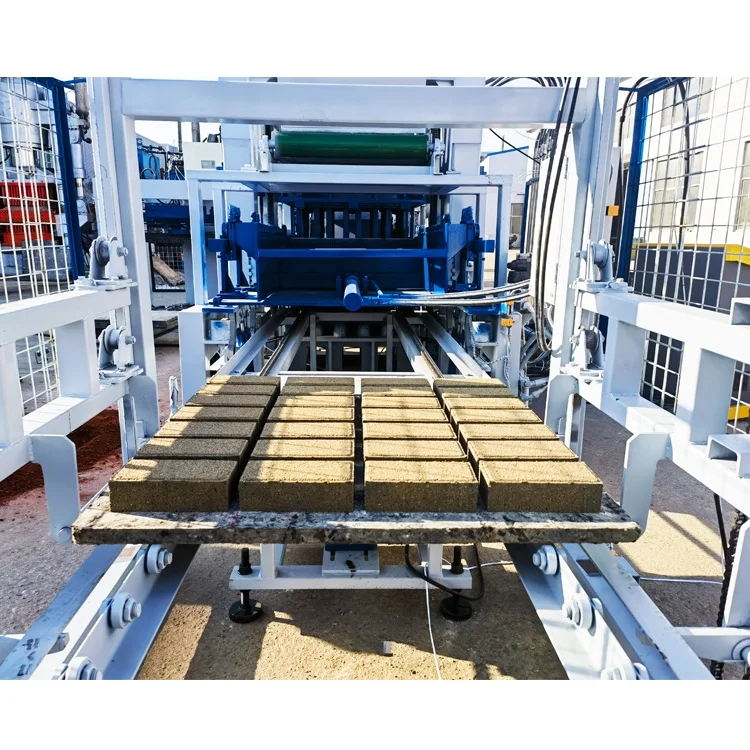 High quality block machine