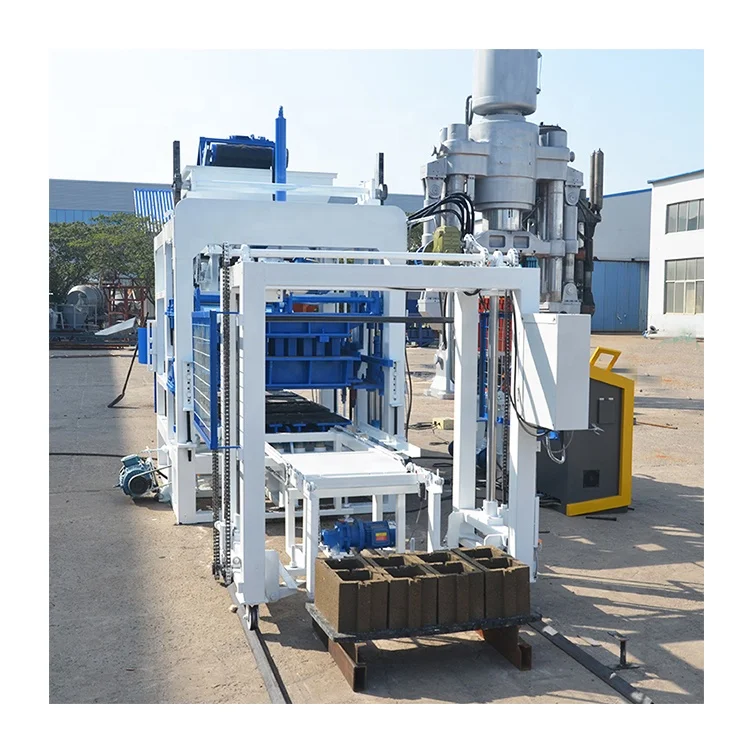
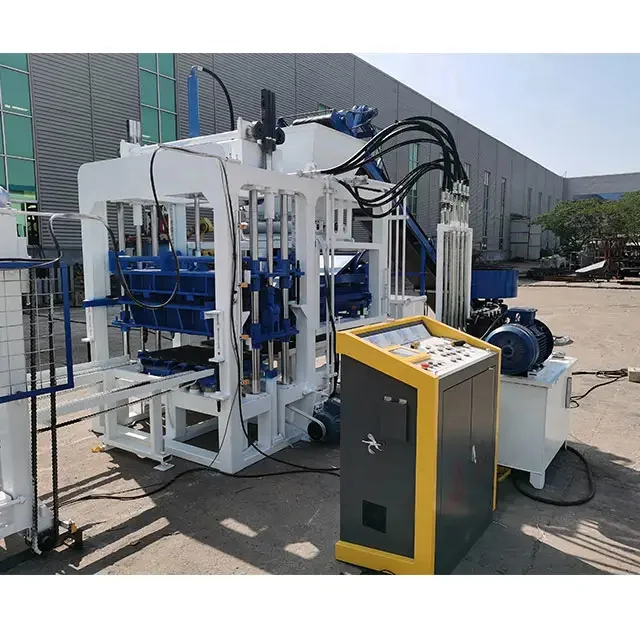
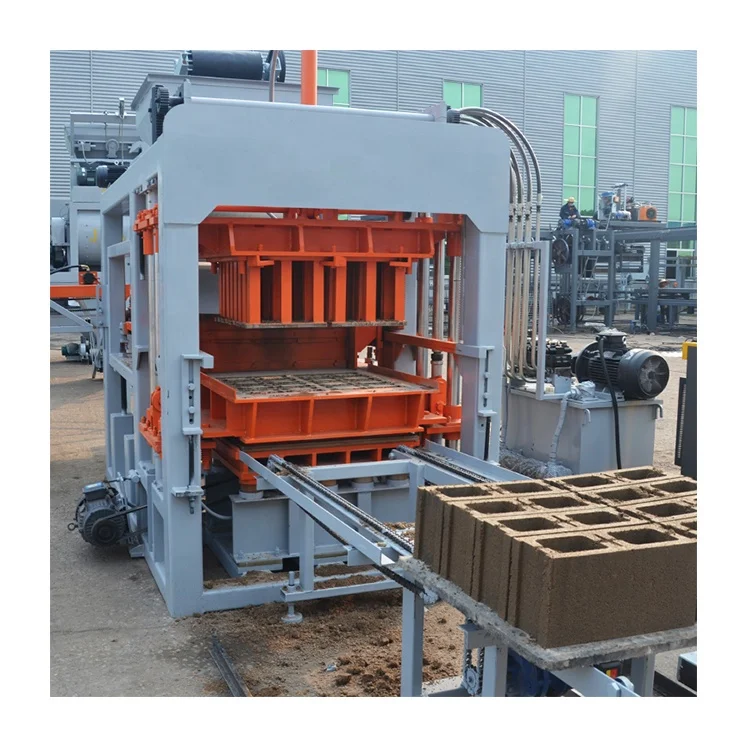
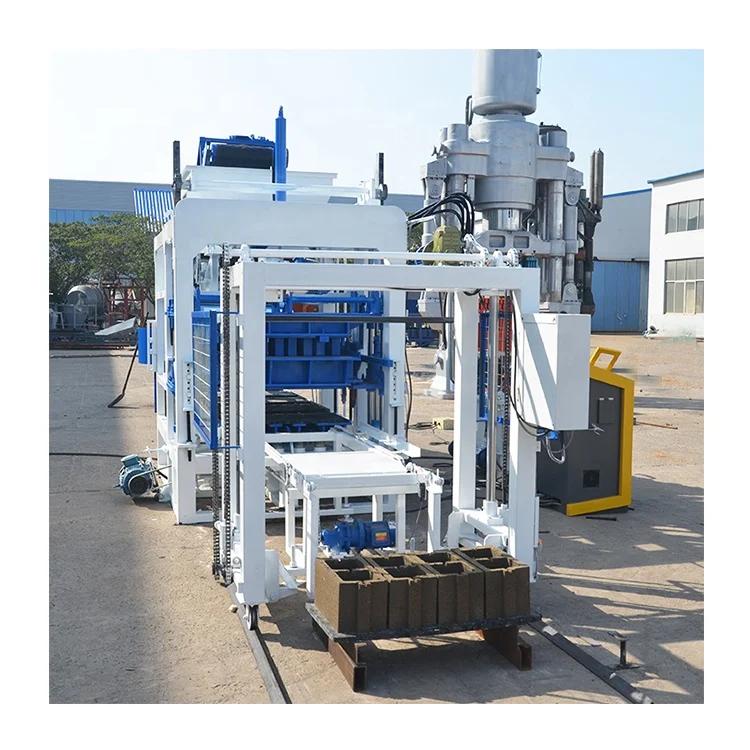
Configuration set against the buyer’s actual interlocking brick format and local clay-cement mix — the LY4-10 is positioned within our complete block machine range so first-time buyers and contractors can match tier to output before committing.
Technical Specifications
| Parameter |
Value |
| Model |
LY4-10 |
| Product Type |
Clay Interlocking Brick Making Machine |
| Rated Power |
11 kW |
| Hydraulic Pressure |
25–32 MPa |
| Molding Cycle |
7–10 seconds (basis not stated in source — confirm block format, material and thickness) |
| Output per Cycle |
4 pcs at a time (basis not stated in source — confirm interlocking brick format and dimensions) |
| Machine Weight |
1500 kg |
| Overall Dimensions (L×W×H) |
2260×1500×2380 mm |
| Voltage |
Configurable to local supply (basis not stated in source — confirm voltage and frequency) |
| Automation Level |
Automatic material feeding, mould pressing and mould lifting |
| Mould Format |
Interlocking brick — compatible with clay and cement mixes |
| Control System |
To be confirmed at inquiry |
| Pallet Size |
To be confirmed at inquiry |
| Vibration Force |
To be confirmed at inquiry |
| Stacking Method |
To be confirmed at inquiry |
Application Suitability
| Application |
Material or Output |
| Interlocking brick production for wall construction |
Clay blended with cement |
| Ecological and geo brick manufacturing |
Soil-cement stabilised mixes |
| On-site block production for housing projects |
Locally sourced laterite, clay and sand with cement binder |
| Small-to-medium interlocking brick plant start-ups |
Output tier matched to daily construction demand |
What Capacity Quotations Leave Out When Block Format Is Not Stated
A cycle time only becomes meaningful once the exact interlocking brick profile, wall thickness and mix design are locked in.
Many quotations for an interlocking brick making machine manufacturer will list a cycle of 7–10 seconds without naming the brick size or the clay-cement ratio that figure assumes. A thinner ecological brick with a high-sand mix may well hit the lower end of that range, while a thicker interlocking block using heavy laterite can push the cycle longer and cut daily throughput noticeably. I once saw a buyer receive a machine rated for one format and then spend weeks trying to compress a local clay that behaved completely differently — output fell well short of what the brochure implied. Asking which brick profile the cycle time is based on, and requesting a capacity calculation tied to your own mix, prevents that gap before the order is placed [NEED_CITE: block format assumptions in capacity quotations].
Where the LY4-10 Sits in the Full Machine Range
The LY4-10 occupies the dedicated interlocking brick tier within our complete block machine range. It is neither a general-purpose hollow block press nor a fully automatic line with stacking and cubing; it targets buyers whose primary product is an interlocking brick made from clay and cement. Buyers surveying automatic, semi-automatic and mobile options can use this model as a reference point — if your daily volume requirement and investment level exceed what a single-station interlocking press delivers, the range includes higher-output tiers with pallet-handling automation. If you need portability for moving between job sites, a mobile egg-laying tier may fit better.
Matching Machine Tier to Project Scale and Brick Format
Before narrowing down, a buyer needs to know whether a dedicated interlocking brick making machine manufacturer solution or a versatile multi-format block machine serves the project better. The LY4-10 suits entrepreneurs launching a first interlocking brick plant and construction contractors who want on-site production without a full factory footprint. Its 2260×1500×2380 mm overall dimensions keep the workshop requirement modest, and the 11 kW rated power avoids heavy industrial supply demands. For distributors adding interlocking brick to an existing range that already runs hollow and paving blocks, a different tier with faster mould change may be more appropriate [NEED_CITE: block machine tier selection criteria for product range expansion].
Hydraulic Pressure, Mould Design and What They Mean for Brick Density
The 25–32 MPa hydraulic pressure range on the LY4-10 directly influences the compaction density of each interlocking brick. Higher pressure within that band produces a denser brick with greater compressive strength, which matters when the brick is load-bearing rather than used as infill. However, pressure alone does not guarantee strength — the mould cavity geometry, the clay-cement ratio and the moisture content of the mix all interact with hydraulic force to determine the final result. A laterite-rich mix may need the upper end of the pressure range, while a sand-heavy ecological brick can achieve adequate density at lower settings. Confirming which pressure setting was used during the factory test ensures the delivered machine matches your target brick strength [NEED_CITE: hydraulic pressure and compressive strength relationship in soil-cement bricks].

The Hidden Cost of Skipping Format and Voltage Confirmation
Ordering without confirming the exact interlocking brick profile and the local voltage standard creates two costly delays that compound each other. If the mould does not match the profile your market actually buys, the machine arrives ready to produce bricks that sit in the yard unsold while you wait for a replacement mould. Meanwhile, if the voltage and frequency were never verified against your site supply, commissioning stalls until a transformer or panel rewiring is arranged. These issues do not show up in a specification sheet that simply states "configurable" — they surface only when someone asks for the exact brick drawing and the exact voltage before production begins [NEED_CITE: voltage and frequency confirmation before block machine commissioning].
Why Buyers Source This Tier From a Single-Focus Supplier
The LY4-10 is specified as one matched system — machine, mould, pallet and handling — rather than assembled from separate vendors, which removes interface mismatches that cause vibration loss or pallet jams. The mould is designed for the interlocking brick profile your market actually sells, including custom drawings when standard profiles do not fit. Configuration is set against your local clay type, cement availability and target brick dimensions instead of a catalogue default that may have been tested with entirely different raw materials. Automation level remains selectable, so a buyer can begin with the LY4-10 and move to a higher-output tier with automatic stacking as demand grows. Installation support includes operator training on mould change, mix adjustment and daily maintenance routines specific to this press class.
Documentation & Verification
- Line layout and capacity calculation stating the interlocking brick format assumed
- Machine specification sheet confirming hydraulic pressure, power and overall dimensions
- Mould drawing and format list showing available interlocking brick profiles
- Voltage, frequency and control language confirmation before production
- Factory test record on your clay-cement mix before dispatch
- Operation and maintenance manual with wear parts list for the LY4-10
Installation, Commissioning & Support
- Foundation pad sized to the 2260×1500 mm footprint with level tolerance for hydraulic alignment
- Dedicated circuit matching confirmed voltage and frequency for the 11 kW rated power draw
- Machine arrives as a single-unit assembly; hydraulic and electrical connections completed on site
- First-run commissioning includes mould pressure calibration against your specific clay-cement mix
- Operator training covers mould change procedure, daily lubrication points and mix moisture adjustment
- Wear parts list provided so first replacement order can be placed before stock runs low
What to Prepare Before Requesting a Quotation
Send your target interlocking brick profile with dimensions, the local clay or soil type and cement grade available, plus the daily brick volume your project or market requires. Include the site voltage and frequency, workshop dimensions and whether existing pallets or handling equipment need to be matched. The more specific the raw material data, the closer the capacity calculation will be to your actual production reality.
Frequently Asked Questions
Q: How is the output capacity of the LY4-10 verified and which brick format is it based on?
A: Capacity is tied to the specific interlocking brick profile, wall thickness and clay-cement mix used during testing. We provide a written capacity calculation that names the exact brick format and mix assumed, so you can compare it against your own product requirements before placing an order rather than discovering a mismatch after delivery.
Q: Where does the LY4-10 fit compared to other tiers in your complete block machine range?
A: It sits in the dedicated interlocking brick tier for small-to-medium output. Buyers needing higher daily volume or multiple block formats can explore semi-automatic and fully automatic tiers above it, while those requiring site portability may look at mobile options below. The range lets you position your investment before narrowing to a model.
Q: What voltage and frequency can the LY4-10 be configured for?
A: Voltage and frequency are confirmed during the inquiry stage to match your local supply standard. We record the exact values before production so the motor, hydraulic pump and control panel arrive ready for connection without requiring on-site transformers or rewiring.
Q: What plant footprint and installation conditions does the LY4-10 require?
A: The machine measures 2260×1500×2380 mm and needs a level concrete pad within a covered workshop. Allow additional space for raw material storage, mould change access and brick curing. Power supply must match the confirmed voltage and frequency for the 11 kW rated draw.
Q: Can I start with the LY4-10 and move to a higher automation tier later?
A: Yes. The range is structured so buyers can begin with a dedicated interlocking press and transition to a higher-output tier with automatic pallet handling and stacking as market demand grows. Mould investment from the LY4-10 may carry over depending on the pallet size of the next tier.

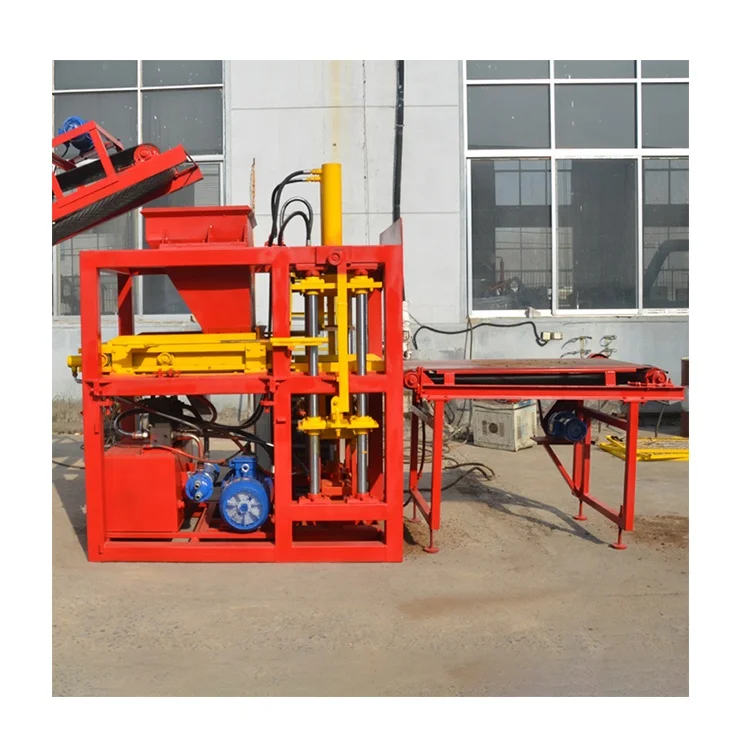
 Semi automatic block