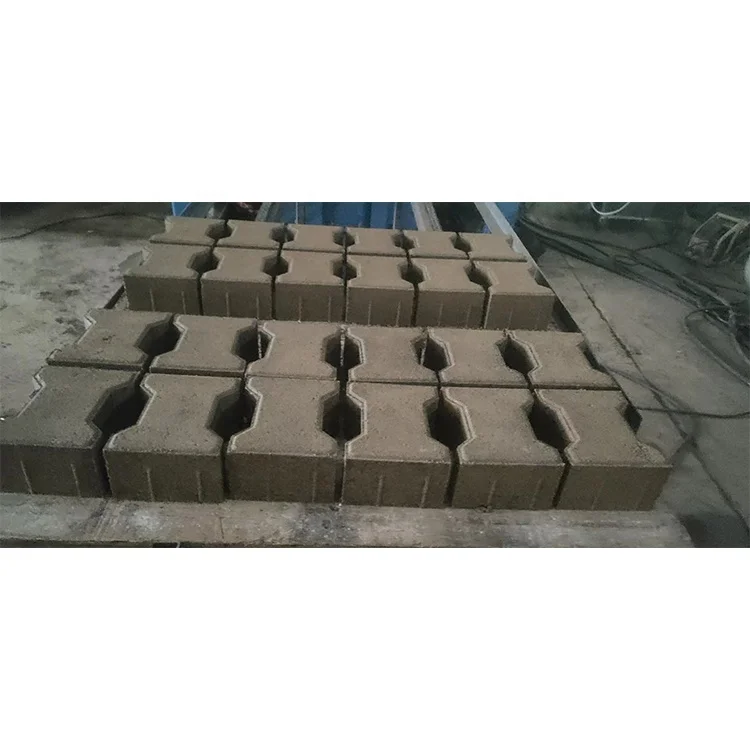
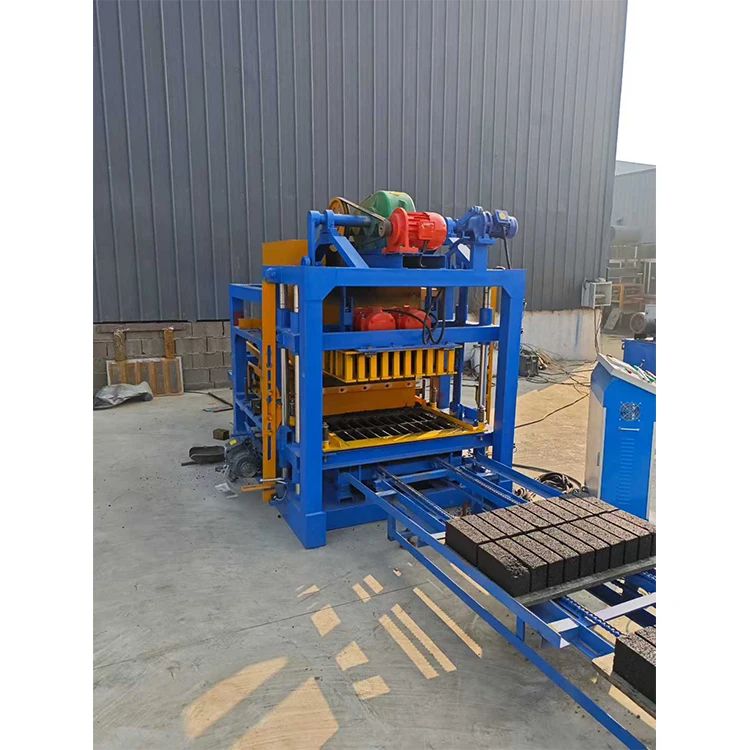
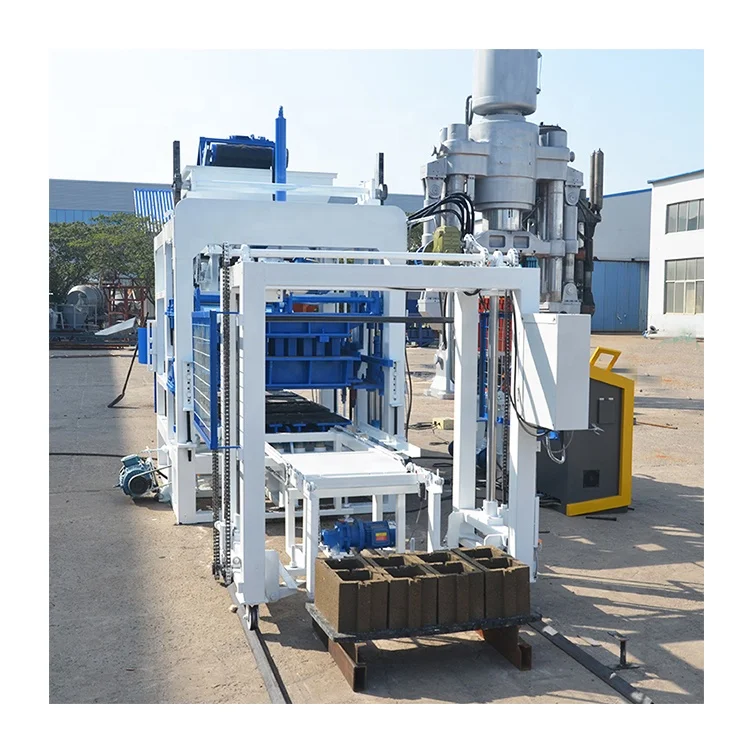
Matched System Specification — The QT8-15 automatic block machine, pallet size, mould design, and stacking equipment are engineered as one integrated system, preventing the common mismatch where components arrive from different suppliers and fail to synchronize on site.
Technical Specifications
| Parameter |
Value |
| Model |
QT8-15 |
| Product Type |
Automatic Hydraulic Block Making Machine |
| Overall Dimensions (L×W×H) |
8300 x 1860 x 3000 mm |
| Rated Pressure |
32 MPa |
| Vibration Form |
Platform Vibration |
| Vibration Frequency |
2800-4500 RPM |
| Pallet Size |
950 x 900 mm |
| Molding Cycle |
15-25s (basis not stated in source — confirm block format and material) |
| Overall Power |
47 kW |
| Control System |
PLC with touch screen human-computer interface |
| Hydraulic System |
Independent integrated hydraulic station |
| Block Comprehensive Strength |
Up to 15 MPa |
| Stacking Method |
Automatic stacker, two pallets per cycle, 3-6 layers based on block height |
| Supporting Equipment |
JS750 mixer, 8m belt conveyor |
| Automation Level |
High (automatic pallet feeder, host machine, block conveyor) |
Application Suitability
| Application |
Material or Output |
| Hollow Block Production |
Concrete mix with crushed stone, sand, cement, and fly ash |
| Solid Block Production |
Dense aggregate mix requiring high vibration compaction |
| Paving Block Production |
Fine sand and cement mix requiring extended vibration time |
| Kerbstone & Interlocking Brick |
Mould-specific configurations using local raw material blends |
| Construction Site Production |
On-site batching using locally sourced sand and gravel |
Why "Cycles per Hour" Tells You Nothing About Actual Output
Capacity figures are meaningless unless the block format and mix design are explicitly stated alongside them.
I learned this the hard way when a client received an automatic block machine manufacturer quote promising a specific number of cycles per hour. The problem was the quote assumed standard concrete mix, but the buyer was using volcanic ash as a partial cement replacement. That material requires longer vibration time to achieve proper compaction. The actual daily output dropped by half compared to the quoted projection, and the client was left scrambling to meet project deadlines. When evaluating the QT8-15, or any machine in this class, the only capacity number that matters is one calculated against your specific block dimensions, target compressive strength, and local aggregate composition [NEED_CITE: concrete block compressive strength testing standards].
Where the QT8-15 Sits in the Full Range
The QT8-15 occupies the mid-to-high tier of the automatic block machine manufacturer lineup. This positioning matters because buyers often overspend on capacity they cannot utilize or undersize equipment that bottlenecks their operation within months. For a first-time block plant investor, this model provides automatic pallet feeding, PLC-controlled batching sequences, and automatic stacking — features that eliminate the need for manual pallet handling and reduce labor requirements on the production floor. For existing semi-automatic operations looking to expand, the QT8-15 represents a step up in daily throughput without requiring a complete plant redesign.
Automation Level and What It Removes From the Operator
The PLC touch screen interface allows operators to switch between manual and automatic modes, adjust the number of material feed cycles, and set vibration duration per mould type. This automatic block machine manufacturer configuration reduces the dependency on operator experience for batch-to-batch consistency. The independent hydraulic station sits separate from the main vibration platform, which prevents dust ingress and vibration transfer from degrading hydraulic component lifespan. In manual mode, the system still controls pressure and vibration parameters — it simply waits for operator input between cycles, useful during mould changeover or troubleshooting [NEED_CITE: PLC control systems in industrial machinery].
Reading the Specifications Against Your Actual Conditions
The 2800-4500 RPM variable vibration frequency range exists because different block formats demand different compaction profiles. Hollow blocks typically require higher frequency with moderate amplitude to settle the mix into thin wall sections. Paving blocks need sustained vibration at lower frequency to achieve the surface density required for vehicular traffic. The 32 MPa rated hydraulic pressure works in conjunction with platform vibration to compress the mix — pressure alone creates initial form, but vibration is what drives material into mould corners and determines final block density. The 950 x 900 mm pallet size determines your curing rack configuration and forklift requirements; if your existing facility uses different pallet dimensions, the entire handling chain downstream must be reconsidered. The 47 kW total power draw requires a dedicated electrical circuit, and voltage specifications must match your local grid before the machine ships.

The Cost of Ignoring Downstream Equipment Matching
When the JS750 mixer and 8m belt conveyor cannot keep pace with the QT8-15 cycle time, the press sits idle waiting for material — you paid for automatic operation but receive semi-automatic throughput. The automatic stacker grabs two pallets simultaneously and stacks 3-6 layers depending on block height, but if your curing area lacks sufficient space for the output volume, pallets back up and the entire line slows. These bottlenecks rarely appear in initial quotations because they exist outside the machine itself [NEED_CITE: production line bottleneck analysis methodology].
Why Procurement Happens Here
Block machinery remains the single manufacturing focus, which means the QT8-15 is not assembled from components sourced across unrelated industries. Every configuration discussion begins with your target block format and local aggregate — not catalogue defaults. Mould design extends to custom drawings when your market demands formats outside standard offerings. Automation level is selectable, so buyers can start with semi-automatic pallet handling and add automatic stacking later. Installation includes operator training on the specific moulds and mix ratios you will use, not generic machine operation.
Documentation & Verification
- Factory test record demonstrating actual block format production before shipment
- Machine specification sheet confirming voltage, frequency, and PLC language for your market
- Mould drawing and format list showing cycle time assumptions per block type
- Hydraulic and electrical schematic for local maintenance and troubleshooting
- Pallet specification matching your existing curing rack and forklift dimensions
- Wear parts and mould inventory list with part numbers for future reordering
Installation, Commissioning & Support
- Foundation requirements based on 8300 x 1860 mm footprint and vibration isolation needs
- Dedicated 47 kW electrical circuit with voltage and frequency confirmed pre-shipment
- Dismantled for container loading with reassembly sequence documented
- Commissioning includes parameter setting for your specific block format and mix design
- Operator training covers PLC interface navigation and mould changeover procedures
- Hydraulic and vibration system wear parts identified with reorder part numbers
What to Prepare Before Requesting a Quotation
Provide the specific block formats you intend to produce, including dimensions and target compressive strength. Share your local aggregate type and any supplementary cementitious materials you plan to use. Confirm your facility voltage, frequency, and available floor space for the complete line including curing racks. Let us know whether you need mould design for formats outside the standard range.
Frequently Asked Questions
Q: How do I verify the 15-25 second molding cycle applies to my block format?
A: Request a capacity calculation sheet that states the specific block dimensions, mix composition, and target strength used to derive that cycle time. The QT8-15 cycle varies based on mould complexity and material characteristics. We calculate daily output based on your confirmed specifications, not generic test conditions.
Q: What electrical infrastructure does the 47 kW system require?
A: The total power draw requires a dedicated circuit with capacity exceeding the rated consumption to handle startup loads. Voltage and frequency must be confirmed against your local grid standards before production begins. The PLC display language is configured during manufacturing to match your operator requirements.
Q: How does vibration frequency affect different block types?
A: The 2800-4500 RPM range allows adjustment based on block geometry and mix design. Thin-walled hollow blocks need higher frequency for proper compaction in narrow sections. Dense paving blocks require extended vibration at lower frequency to achieve structural integrity. Settings are stored in the PLC for each mould type.
Q: What happens if the mixer cannot match the press cycle time?
A: The JS750 mixer and 8m belt conveyor are specified to maintain continuous supply during QT8-15 operation. If your existing mixer is undersized, the press will idle between cycles, reducing actual output below calculated capacity. We evaluate the complete line balance during configuration.
Q: Can automation level be upgraded after initial installation?
A: The QT8-15 platform supports progression from semi-automatic pallet handling through to fully automatic stacking and cubing. Starting with reduced automation lowers initial investment while maintaining a clear upgrade path. The PLC system accommodates additional sensors and actuators as automation expands.

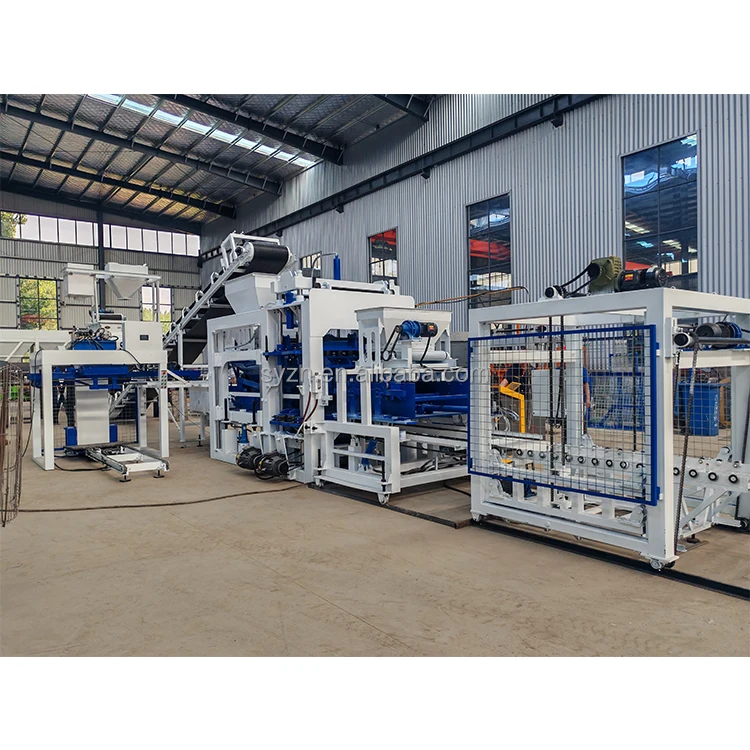
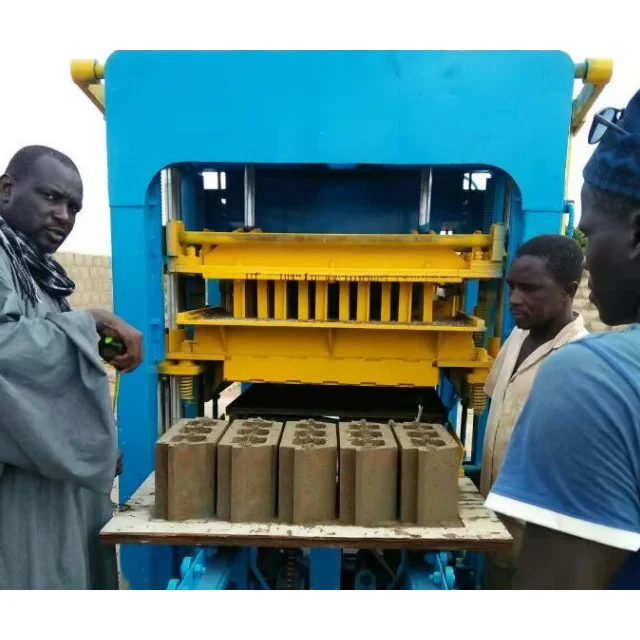 Automatic block machine