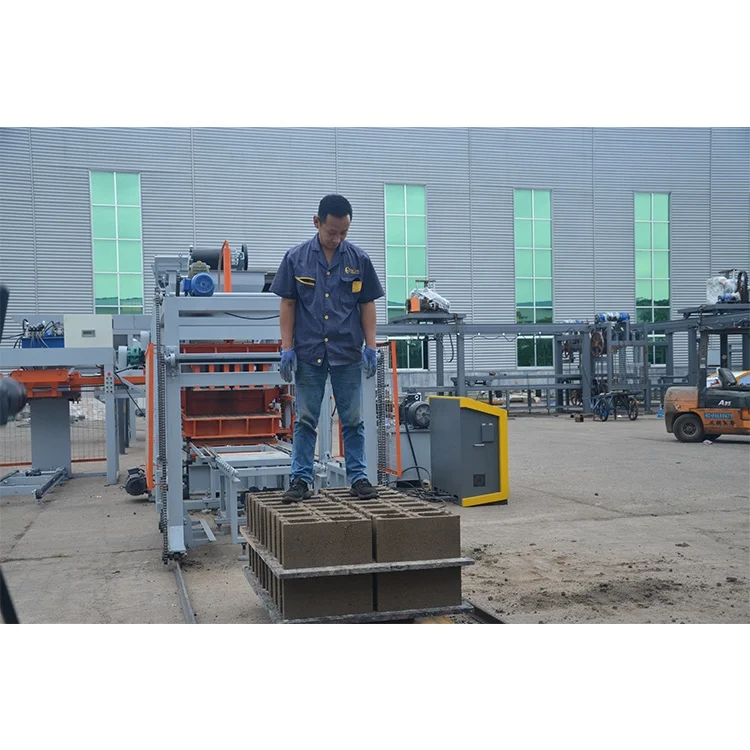
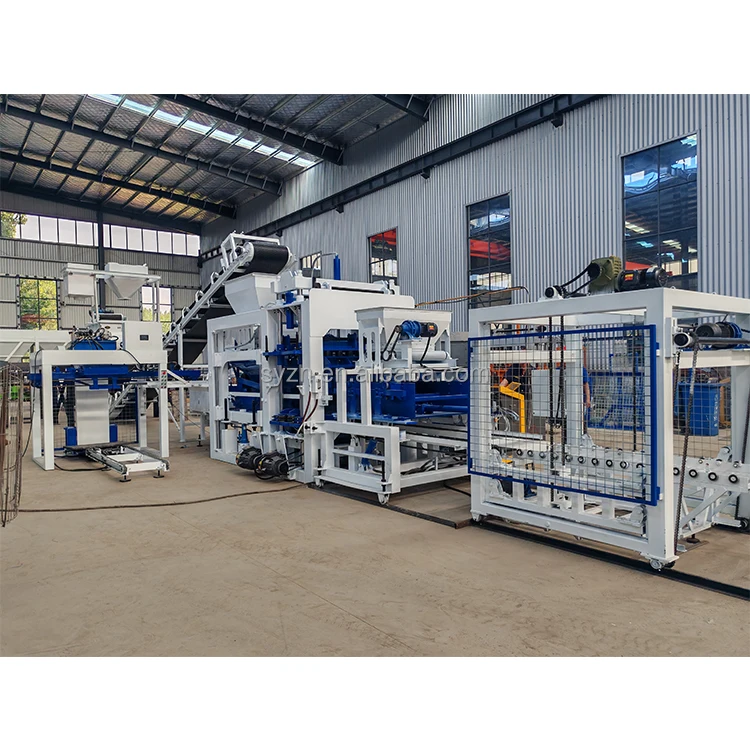
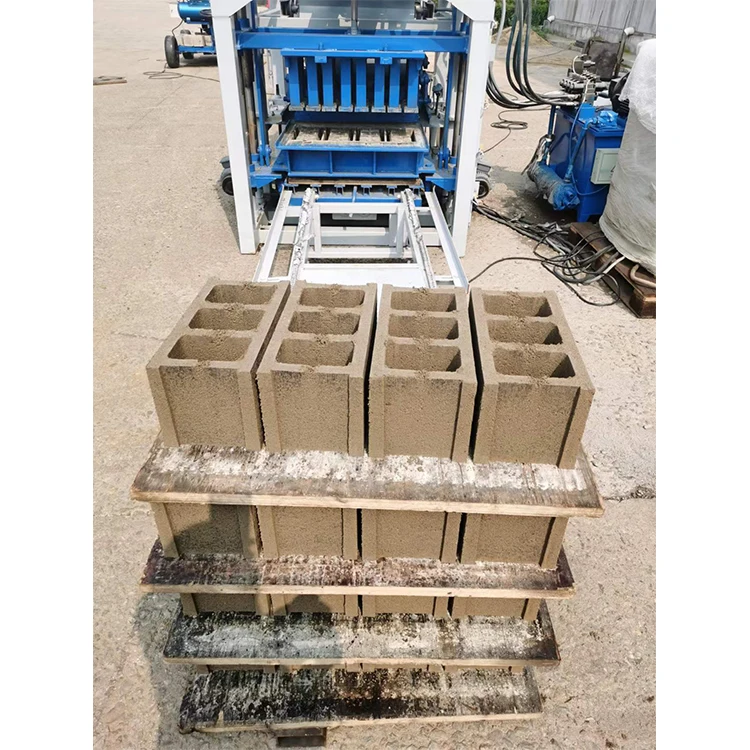
Matched System Specification — The QTJ4-40 is positioned as a single matched unit where machine, mould, pallet, and semi-automatic scraper are specified together rather than sourced separately, keeping the entry-level footprint compact without leaving gaps in the production flow.
Technical Specifications
| Parameter |
Value |
| Model |
QTJ4-40 |
| Product Type |
Semi-Automatic Concrete Block Making Machine |
| Rated Power |
10.4 kW |
| Molding Cycle |
40 s |
| Vibration Method |
Bed mould vertical vibration + upper mould compression vibration |
| Control System |
Semi-automatic (top die push-pull, automatic scraper) |
| Pallet Size |
850 × 450 mm |
| Machine Weight |
1 T |
| Overall Dimensions (L×W×H) |
1350 × 1460 × 1800 mm |
| Voltage |
Configured to buyer’s local voltage (exact value to be confirmed) |
| Theoretical Productivity (400×200×200 mm hollow, 4 pcs/mould) |
360 pcs/h, 2800 pcs/day |
| Theoretical Productivity (400×150×200 mm hollow, 5 pcs/mould) |
450 pcs/h, 3600 pcs/day |
| Theoretical Productivity (225×112.5×60 mm solid brick, 9 pcs/mould) |
800 pcs/h, 6400 pcs/day |
| Raw Materials |
Concrete, sand, cement, fly ash, lime, gypsum |
Application Suitability
| Application |
Material or Output |
| Small-scale hollow block production |
Crushed stone, sand, and cement for 400×200×200 mm structural blocks |
| On-site solid brick runs |
Fly ash or clay-gauge mixes for 225×112.5×60 mm wall bricks |
| Contractor-backed backup capacity |
Standard concrete mixes for secondary or overflow runs during peak demand |
| First plant entrepreneur setups |
Locally available sand, gravel, and cement within modest workshop space |
What a "2000 to 2500 Pieces per Day" Label Actually Hides
Daily output figures mean nothing unless the block format behind them is spelled out.
I once watched a buyer in West Africa compare two quotations based purely on a headline capacity number. Both claimed roughly the same daily volume, yet one assumed a small solid brick and the other a large hollow block. The real throughput gap was massive. A Semi-Automatic Block Machine manufacturer should always tie every output figure to a specific format, wall thickness, and mix. When those details are absent, the number is a marketing placeholder, not a planning tool. [NEED_CITE: block format assumptions in capacity declarations]

Where the QTJ4-40 Sits on the Range Ladder
The full block machine range stretches from mobile egg-laying units at one end to high-capacity fully automatic lines at the other. The QTJ4-40 occupies the entry-to-mid tier of the semi-automatic segment. It delivers more output consistency than a purely manual machine while avoiding the capital outlay and larger footprint of a fully automatic press with integrated stacking and cubing. Buyers surveying options for a first or replacement machine often land here because the investment threshold remains manageable and the plant footprint stays within a standard workshop bay.
Understanding the Footprint Before You Plan the Floor
At 1350 × 1460 × 1800 mm, the press itself is compact, but a Semi-Automatic Block Machine manufacturer must also account for pallet circulation space, a raw material feed hopper, and a curing rack zone. The pallet size of 850 × 450 mm dictates the aisle width your forklift needs and the shelf dimensions of your curing racks. Planning the line layout around these fixed dimensions early prevents the common mistake of ordering the press first and discovering the curing area cannot keep up. [NEED_CITE: curing rack and forklift compatibility standards]
Reading the Specs That Shape Daily Reality
The 40-second molding cycle is governed by two vibration sources working together: vertical vibration under the bed mould and compression vibration from the upper mould. In practice, this dual action compacts the concrete mix evenly, reducing the density variation that causes weak corners in hollow blocks. The 10.4 kW rated power must be supported by a dedicated circuit at the buyer’s confirmed voltage and frequency — arriving on site with an unconfirmed electrical supply is one of the most frequent reasons commissioning stalls. The semi-automatic scraper removes the need for manual topping-off while the top die push-pull mechanism positions the upper mould without operator lifting. Together, these features keep labour to a small crew while maintaining the modest investment profile of this tier.
The Cost of Overlooking Pallet and Voltage Details
Choosing a pallet size without checking your existing curing racks means either buying new racks or watching freshly pressed blocks pile up on the floor. Similarly, shipping a machine wired for a voltage that does not match the local grid turns a straightforward commissioning into a multi-week delay while transformers or rewinding are arranged. These are not theoretical risks — they are the most repeated complaints I hear from buyers who ordered from catalogues without a configuration conversation. [NEED_CITE: voltage mismatch delays in machinery commissioning]
Why Source This Tier From a Single-Focus Supplier
Block machinery is the only product line here, which means the QTJ4-40 is not assembled from unrelated components and then re-badged. The vibration force and hydraulic pressure are matched to the buyer’s actual mix design and local aggregate, not set to a factory default that may suit one sand type but fail with another. Mould design covers the formats the buyer’s market actually sells, including custom drawings when standard sizes do not fit local building codes. Automation level is selectable, so a buyer can begin with this semi-automatic press and plan an upgrade path without replacing the entire line. Installation and commissioning support includes operator training on the specific controls of this model.
Documentation & Verification
- Line layout drawing stating block format assumed for capacity calculation
- Machine specification sheet with confirmed pallet size and vibration ratings
- Mould drawing and format list matching your target market dimensions
- Voltage and control language confirmation signed before production
- Factory test record showing cycle times on buyer’s specified block format
Installation, Commissioning & Support
- Dedicated 10.4 kW circuit required; confirm voltage and frequency before wiring
- Machine arrives as a single-frame unit; forklift of at least 1.5 T capacity needed for unloading
- Pallet size 850 × 450 mm must match curing rack slot width and forklift tine spacing
- First-run commissioning includes vibration timing adjustment to your specific mix
- Operator training covers top die push-pull operation and scraper maintenance intervals
- Wear parts list with hydraulic seals and vibration motor bearings identified for stocking
What to Share When Requesting a Proposal
A useful inquiry includes the block formats your market demands, the target daily output per format, and a sample of your local sand or aggregate. Confirming the local voltage, frequency, and preferred control display language upfront keeps the production schedule on track. If you already operate curing racks or a specific forklift, sharing those dimensions allows the Semi-Automatic Block Machine manufacturer to size the pallet and line layout accordingly.
Frequently Asked Questions
Q: How is the QTJ4-40’s daily output calculated, and which block format does each figure assume?
A: Each output figure is tied to a specific format: 2800 pcs/day for 400×200×200 mm hollow blocks (4 per mould), 3600 pcs/day for 400×150×200 mm hollow blocks (5 per mould), and 6400 pcs/day for 225×112.5×60 mm solid bricks (9 per mould). These assume an 8-hour shift with the stated 40-second molding cycle.
Q: Where does the QTJ4-40 sit compared to fully automatic and mobile machine tiers?
A: It occupies the entry-to-mid semi-automatic tier, requiring a smaller footprint and lower investment than a fully automatic line with stacking and cubing, while delivering more consistent output than a manual or mobile egg-laying unit. Buyers often choose this tier when upgrading from manual production without committing to a full plant overhaul.
Q: What voltage and frequency options are available, and how is this confirmed before shipment?
A: Voltage is configured to the buyer’s local supply, covering common ranges such as 220V, 380V, or 415V at 50 or 60 Hz. Confirmation is documented in writing during the proposal stage, and the control display language is agreed at the same time to avoid commissioning delays on arrival.
Q: Can I start with the QTJ4-40 and later upgrade to a higher automation level?
A: Yes. The product range is designed with selectable automation, so a buyer can begin with this semi-automatic configuration and later add automatic pallet feeding, stacking, or cubing modules without replacing the core press. The upgrade path is discussed during the initial configuration stage.
Q: What mould formats are included as standard, and can custom moulds be added?
A: Standard moulds cover common hollow block, solid brick, and paving block sizes. Custom moulds can be designed to buyer drawings when local building codes or market preferences require non-standard dimensions. Each mould is matched to the pallet size and vibration profile of the press.

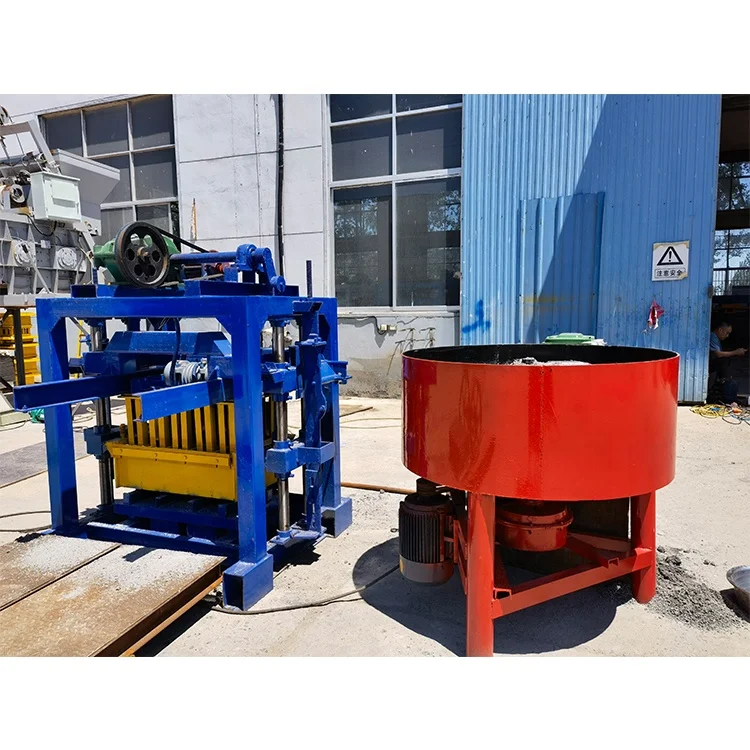
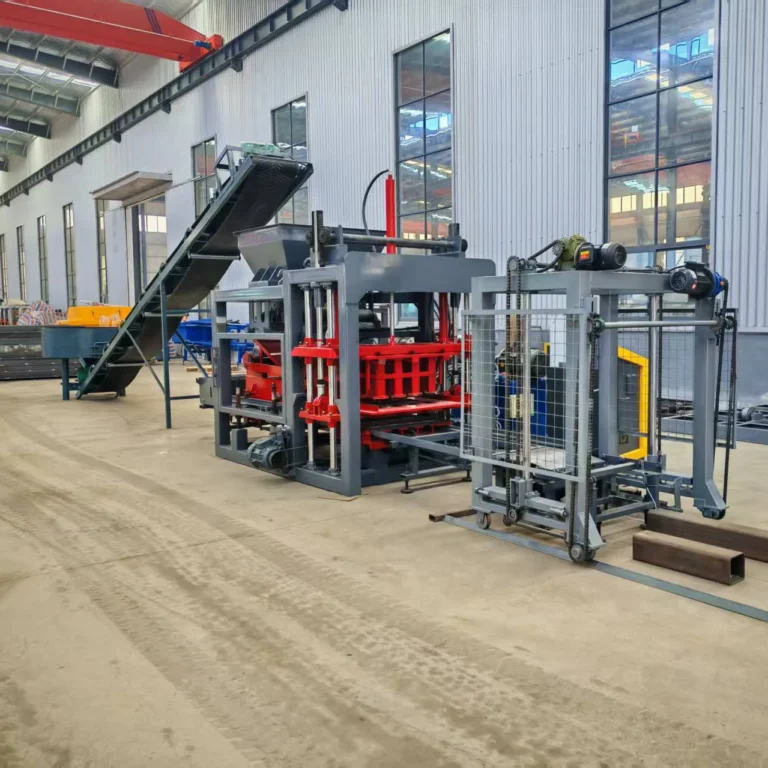 High quality block machine