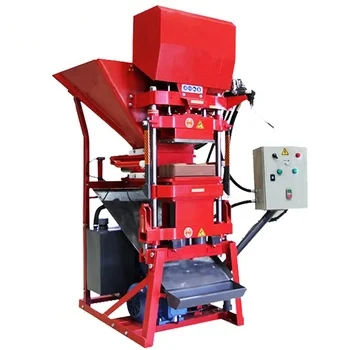
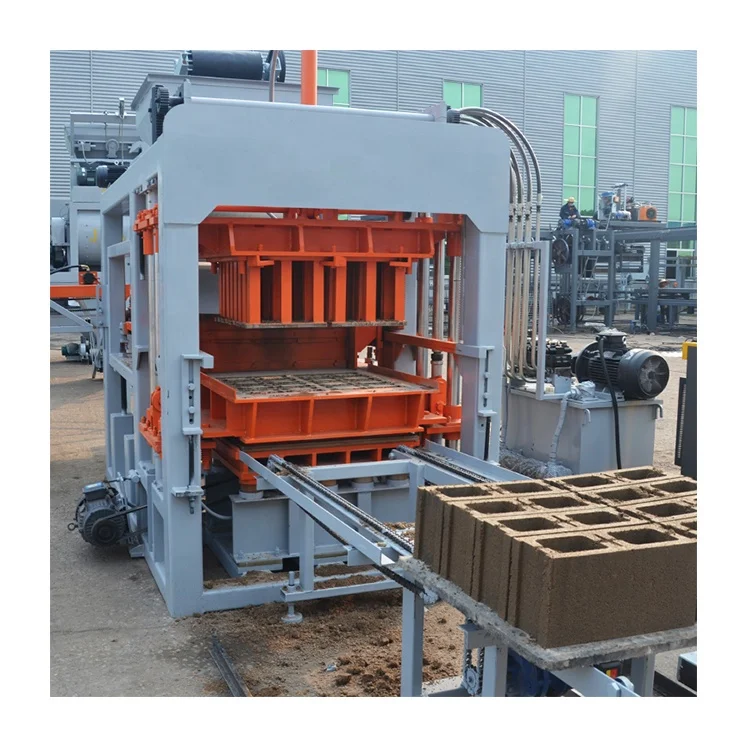
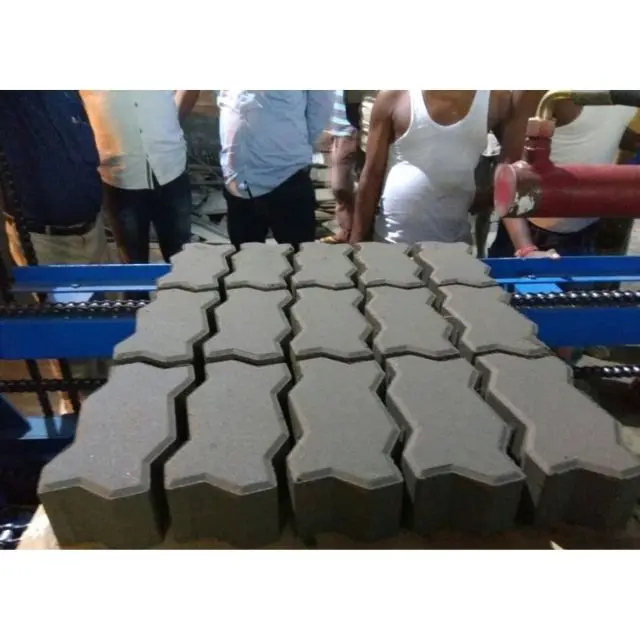
Mid-tier automatic positioning — the Qt4-18 bridges workshop-scale semi-automatic presses and high-capacity lines, giving first-plant buyers a PLC-controlled starting point without the footprint of larger systems.
Technical Specifications
| Parameter |
Value |
| Model |
Qt4-18 |
| Product Type |
Automatic Block Making Machine |
| Overall Dimension |
2500×1750×2200 mm |
| Rated Pressure |
16 MPa |
| Vibration Form |
Platform Vibration |
| Pallet Size |
950×550 mm |
| Molding Cycle |
18–25 s (basis to be confirmed for specific block format) |
| Overall Power |
27.5 kW |
| Control System |
PLC with frequency converter and man-machine interface |
| Electrical Components |
Schneider (subject to final configuration confirmation) |
| Mixer |
JQ500 concrete pan mixer |
| Belt Conveyor |
8 m (6 m optional) |
| Mould Lifting Mechanism |
Double-sided synchronous gears |
| Mould Change |
Manual bolt type — M24 bolts for bottom mould, four bolts for upper mould |
| Automation Level |
Automatic (PLC controlled) |
| Standards |
CE declaration where applicable |
Application Suitability
| Application |
Material or Output |
| Hollow block production |
Crushed stone, cement, sand, lightweight aggregate |
| Solid block production |
Dense aggregate and cement blends for load-bearing walls |
| Paving block production |
Fine aggregates with pigment for coloured pavers |
| Kerbstone production |
High-cement-ratio mixes for roadside and curb formats |
| Interlocking brick production |
Soil-cement or sand-cement mixes for dry-stack formats |
| Porous brick production |
Permeable aggregate gradations for drainage applications |
What the 18–25 Second Cycle Time Actually Means
Cycle time only matters once you know which block format it was measured on. A hollow block and a paving block occupy the same pallet very differently, and the vibration duration, hydraulic dwell and material feed sequence all shift between formats.
I have watched buyers sign off on a machine based on a single cycle figure, then discover on site that their primary product runs noticeably slower than quoted. The Qt4-18 automatic block making machine manufacturer you work with should provide a capacity calculation sheet that names the exact block format, mould cavity count and mix design behind each cycle number. Without that, daily output is guesswork [NEED_CITE: capacity calculation standards for concrete block machinery]. The platform vibration system on this model handles a range of formats, but the cycle shifts depending on whether you are pressing hollow blocks that need longer vibration to settle the core or pavers that require higher pressure dwell.

Where the Qt4-18 Fits on the Output Tier Ladder
The full block machine range spans mobile egg-laying units at the low end through multi-pallet automatic lines at the top. The Qt4-18 automatic block making machine sits squarely in the mid-tier: it is the first step where PLC control, a man-machine interface and frequency converter come together as standard, separating it from semi-automatic presses that rely on operator-timed cycles. The 27.5 kW total power draw keeps utility requirements manageable for a first plant while still supporting platform vibration and a motorised block receiver.
Choosing Between Semi-Automatic and This Tier
Buyers moving from manual pallet handling often ask whether a semi-automatic press is enough. The difference here is the automatic material feeder system — hopper, feeding box and conveyor — plus the block receiver with its own motor and reducer. On a semi-automatic line, an operator manually positions each pallet and clears each finished block. On this automatic tier, the pallet feeds and the finished block exits mechanically, removing two labour positions from the press cycle and reducing the format-to-format variation that comes from inconsistent manual handling [NEED_CITE: automation level impact on block consistency].
Reading the Specs That Matter for Daily Output
The 950×550 mm pallet size sets the ceiling on how many cavities each mould can carry per cycle. A hollow block mould on this pallet typically fits three or four cavities, while a paving block mould can carry substantially more units per press. The 16 MPa rated pressure combined with platform vibration determines the compaction density — too little pressure on a stiff mix and blocks crack during curing, too much on a lean mix and the fines segregate. The double-sided synchronous gear mould lifting mechanism keeps the upper and lower mould halves aligned during extraction, which matters for block corner integrity and reduces reject rates on taller formats like hollow blocks.
The Cost of Skipping the Configuration Conversation
A machine built to a catalogue default rather than your actual mix design arrives on site with problems that no amount of operator training can fix. The JQ500 pan mixer paired with this line works well for standard cement-aggregate blends, but if your local sand has high clay content, the mixing time and water ratio need adjustment before the material even reaches the press. Skipping voltage and frequency confirmation before production means the PLC and frequency converter may not communicate correctly on arrival, delaying commissioning by weeks while replacement electrical panels are sourced [NEED_CITE: electrical specification mismatches in exported machinery]. I have seen projects where the pallet size specified for the machine did not match the curing racks already installed at the buyer’s yard, forcing a choice between replacing racks or running a smaller pallet and losing output.
Why Source This Model Through This Range
Block machinery is the single focus here, so the Qt4-18 is not assembled from unrelated components but specified as a matched system — press, pallet, mixer, conveyor and receiver are sized to work together at this output tier. Configuration starts from your local aggregate sample and target block format rather than a default catalogue page, which means the mould cavity layout and vibration profile are set against what you will actually produce. The mould format list covers the standard range and accepts custom drawings when your market demands a format outside that list. Automation level is selectable, so a buyer can begin with the standard automatic configuration and add stacking or cubing equipment later as volume grows. Installation support includes operator training on the PLC interface and the manual bolt mould change procedure, so your team can switch formats independently from day one.
Documentation & Verification
- Line layout and capacity calculation naming the block format behind each cycle time figure
- Machine specification sheet confirming pallet size, power rating and PLC component list
- Mould drawing and format list covering every block type in your quotation
- Voltage, frequency and control language confirmation record signed before production
- Factory test record on your target block format before dispatch
- CE declaration documentation where applicable to your import market
Installation, Commissioning & Support
- Foundation pad sized to the 2500×1750 mm machine footprint plus mixer and conveyor clearance
- Dedicated three-phase circuit rated for the 27.5 kW overall power with appropriate breaker sizing
- Machine ships with belt conveyor and receiver dismantled for container loading and reassembled on site
- PLC parameter setup and frequency converter tuning completed during commissioning for your block format
- Operator training covers the man-machine interface, mould change procedure and daily start-up sequence
- Wear parts list provided for the platform vibration assembly, mould liners and synchronous gear teeth
Before You Request a Quote
To match the right configuration to your project, share the block formats your market sells and the daily volume you need for each one. Include details on your local aggregate type and any sand or cement sourcing constraints, since these directly affect the mixer and feeder setup. Confirm your site voltage, frequency and preferred PLC display language so the electrical build matches your conditions before the machine leaves the factory.
Frequently Asked Questions
Q: Where does the Qt4-18 sit compared to semi-automatic and high-capacity models in the range?
A: It occupies the mid-tier automatic position. Below it are semi-automatic presses without PLC control or automatic pallet feeding. Above it are multi-pallet lines with higher vibration force and faster cycles. The Qt4-18 is typically chosen by buyers ready to move beyond manual operation but not yet requiring the investment and plant footprint of a high-capacity system.
Q: How is the molding cycle verified and which block format is it based on?
A: The 18–25 second cycle range must be confirmed against a specific block format, mould cavity count and mix design. A capacity calculation sheet should state the exact format assumed. Buyers should request this document before committing, because cycle time for a hollow block differs noticeably from that of a paving block on the same pallet.
Q: What plant footprint does the Qt4-18 require with its supporting equipment?
A: The press itself measures 2500×1750 mm, but the full working area must accommodate the JQ500 mixer, the 8 m belt conveyor, pallet staging and the block receiver. Allow additional space for pallet return if a manual return system is used, and ensure ceiling height clears the 2200 mm machine height plus mould lifting travel.
Q: Can the Qt4-18 be upgraded to a higher automation level later?
A: The automatic PLC platform supports adding pallet feeding, stacking and cubing equipment as production volume grows. Starting at this tier means the control system is already in place for those additions, so an upgrade does not require replacing the press or the core electrical architecture — only adding peripheral stations and updating the PLC programme.
Q: What investment level does this model represent relative to other automatic machines?
A: The Qt4-18 represents an entry-to-mid investment within the automatic range. Its 27.5 kW power rating and single-pallet format keep infrastructure costs lower than multi-pallet lines, while the PLC control and automatic feeder system provide a meaningful step above semi-automatic pricing. Buyers should compare total line cost including mixer, conveyor, pallets and moulds rather than the press price alone.

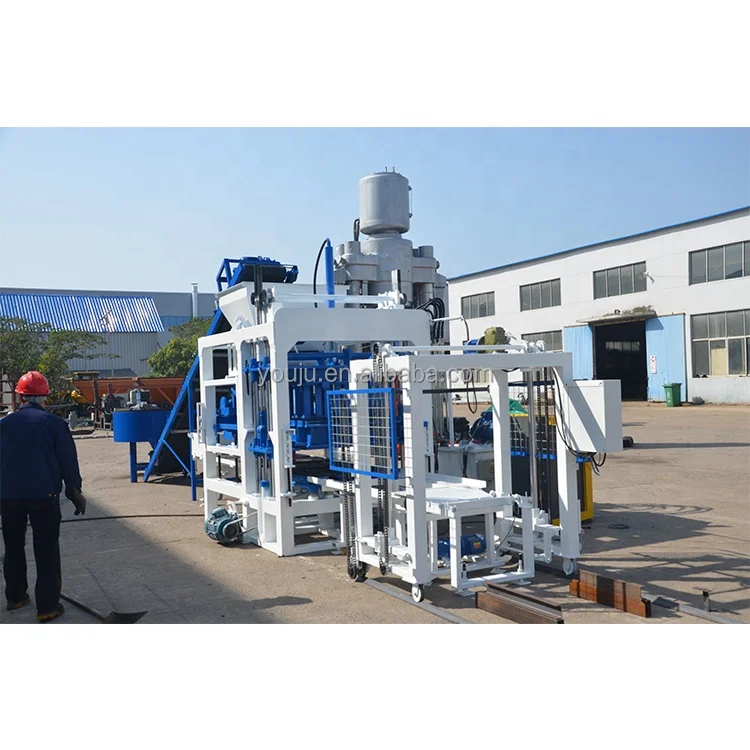
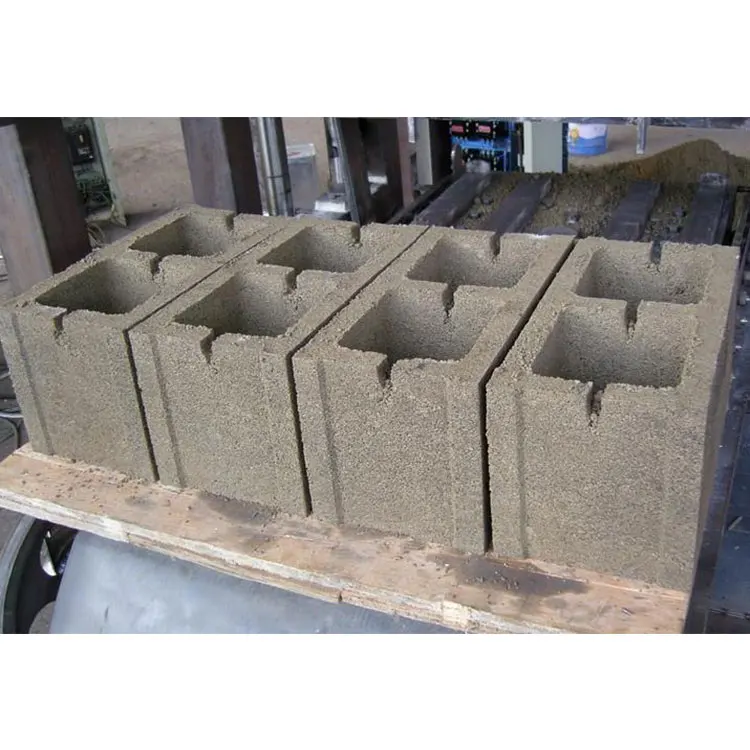 Automatic block machine