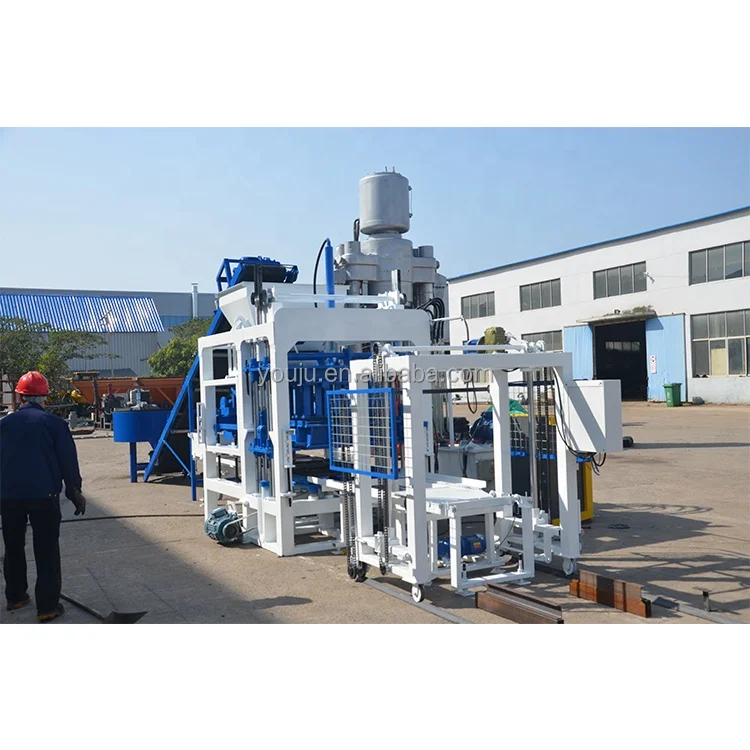
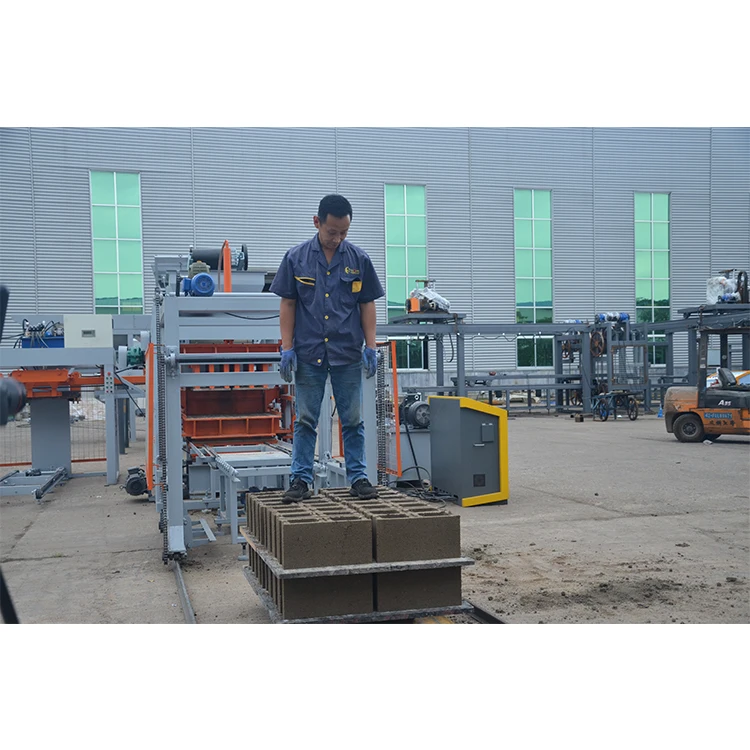
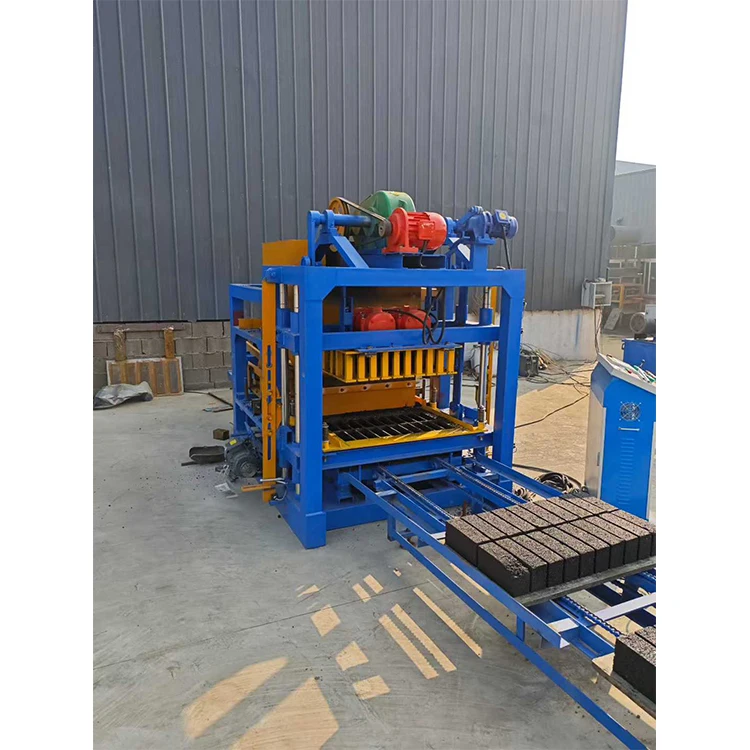
Entry-Tier Footprint — this manual interlock brick machine is positioned at the base of a full block machine range so buyers can map investment against plant space before scaling up.
Technical Specifications
| Parameter |
Value |
| Product Type |
Manual Interlocking Block Making Machine |
| Production Capacity |
2400 pcs/day based on 250×125×100mm or 300×150×100mm interlock format (8-hour shift) |
| Overall Dimensions (L×W×H) |
1600×1300×2400 mm |
| Net Weight |
900 kg |
| Forming Method |
Hydraulic press |
| Forming Cycle |
10–15 s (basis to be confirmed per mould format) |
| Mould Compatibility |
250×125×100 mm (1 pc/mould), 300×150×100 mm (1 pc/mould) |
| Output per Hour |
240 pcs/hour based on listed interlock formats |
| Raw Material |
Clay, soil, cement, or construction dregs |
| Power Source |
Electric motor (voltage and frequency configurable) |
| Automation Level |
Manual operation with manual pallet handling |
| Operating Staff |
1–2 workers |
| Key Features |
Compact transport footprint, dual mould format compatibility, hydraulic press forming |
Application Suitability
| Application |
Material or Output |
| Small-scale interlock block production |
Clay and soil stabilized with cement, output tied to single-piece mould formats |
| On-site paver manufacturing |
Construction dregs blended with cement for site-level paving runs |
| Workshop-level housing block supply |
Local soil mixes pressed into interlock profiles for rural or peri-urban projects |
| Contractor self-supply |
Low-volume interlock blocks produced directly at the building site |
What "3000–4000 Blocks per Day" Leaves Out When the Format Is Not Named
A capacity claim is only as honest as the block format it assumes.
Catalogue sheets often quote a single daily number without stating which mould was used to derive it. I once watched a buyer budget a project around a headline figure, then discover the real output on his actual interlock format was noticeably lower because the quoted number came from a smaller solid block run. With the ECO2700 Houdie, we state output per format — 240 pieces per hour on either the 250×125×100 mm or 300×150×100 mm interlock mould — so the Manual Interlock Brick Machine for sale conversation starts from a number you can actually plan around. [NEED_CITE: capacity calculation methods across block machine suppliers]
Placing This Machine Inside the Broader Range
Buyers surveying options for a first block plant often need a clear entry point before they consider larger investment. The ECO2700 Houdie sits at the bottom tier of the range, where manual pallet handling and a two-person crew keep initial capital outlay contained. It shares the same hydraulic press principle found higher up the range, meaning block density fundamentals carry forward when you later move to semi-automatic or automatic tiers. This makes the Manual Interlock Brick Machine for sale a deliberate starting position rather than an isolated purchase.
Where It Fits on the Plant Floor
A compact 1600×1300 mm footprint means the press, a small material feed zone, and a manual curing area can share a modest workshop. [NEED_CITE: typical workshop layout requirements for manual block production] Because the machine weighs 900 kg and is transportable as a single unit, contractors can relocate it between job sites without heavy-lift logistics. The emphasis here is on placement flexibility — you decide later whether a fixed plant with conveyors and automatic stacking justifies the next tier of equipment.
Reading the Numbers That Matter on Site
Hydraulic press forming at a 10–15 second cycle gives each interlock block enough dwell time under pressure for the clay-cement mix to consolidate, though actual cycle length depends on how quickly operators feed and withdraw pallets manually. Dual mould compatibility lets a single press serve both a standard wall block format and a slightly larger paver format, but each swap still involves manual bolting — something to weigh if your market demands frequent format changes. The absence of vibration force and hydraulic pressure ratings in the current source data means those values must be confirmed before matching the press to your specific soil-cement recipe, because under-pressured clay mixes crumble at demoulding.

The Cost of Skipping the Format Conversation Early
When a buyer commits to a machine before confirming the exact interlock profile the local market sells, the first mould order often arrives wrong — too large for local pallets, or shaped for a locking system builders in that region do not use. Manual pallet handling also means daily output is tethered to crew stamina; a two-person team working an eight-hour shift on a hot site will not match laboratory cycle times. [NEED_CITE: on-site productivity variables in manual block production] These are the gaps that turn a seemingly low-risk entry purchase into a stalled project.
Why Source This Tier Through a Single-Focus Block Machinery Supplier
Block machinery is the sole product focus here, so the press, mould, pallet, and handling accessories are specified as one matched set rather than assembled from separate vendors. Mould design covers the interlock formats your market actually sells, with custom drawings available when standard profiles do not fit. Configuration is set against your local clay or soil type, not a default catalogue recipe — a practice born from watching red-soil mixes fracture under settings calibrated for standard river sand. Automation level is selectable, so starting on this manual tier leaves a clear upgrade path toward semi-automatic pallet feeding and stacking when volume justifies the step. Installation support and operator training are included, reducing the commissioning window on site.
Documentation & Verification
- Line layout showing ECO2700 Houdie placement alongside manual curing rack area
- Machine specification sheet confirming hydraulic pressure and motor rating for your voltage
- Mould drawing and format list covering both interlock profiles and pallet dimensions
- Voltage and control language confirmation before dispatch to match local grid
- Factory test record run on a sample mix close to your actual soil type
- Packing photographs and customs documentation support for container loading
Installation, Commissioning & Support
- Level concrete pad sized to the 1600×1300 mm base with anchor bolt provisions
- Dedicated electrical circuit matching confirmed voltage and frequency before motor energization
- Machine arrives as a single 900 kg unit, lifted into position with standard site equipment
- First-run parameter setting with your clay-cement mix to dial in hydraulic dwell
- Operator training on manual pallet feed sequence and safe mould change procedure
- Wear parts list and mould maintenance schedule handed over at commissioning
Before You Send the Inquiry
Tell us which interlock profile your local builders specify, the daily block count you need to hit, and the soil or clay type available near your site. Confirm your local voltage and frequency so the motor can be wound correctly before production starts. If you already have pallets or a curing rack layout, share those dimensions so the Manual Interlock Brick Machine for sale can be matched to your existing handling setup from day one.
Frequently Asked Questions
Q: How is the daily output of 3000–4000 blocks calculated, and which format does it assume?
A: The 2400-piece figure is calculated from the 250×125×100 mm or 300×150×100 mm interlock mould at 240 pieces per hour over an eight-hour shift. The higher headline range may assume shorter cycle times or extended shifts; we confirm the exact basis against your chosen format before quoting so planning stays realistic.
Q: What voltage, frequency, and motor options are available for different markets?
A: The electric motor can be configured to match local grid standards — common options include 220V/50Hz, 380V/50Hz, and 440V/60Hz. We confirm voltage, frequency, and plug type during the order stage so the machine arrives ready for connection without on-site rewinding or transformer delays.
Q: How does this manual tier compare to semi-automatic and automatic models in the range?
A: The manual tier keeps capital outlay low by relying on hand pallet feeding and a two-person crew. Semi-automatic tiers add pallet feeders and stacking to reduce labor, while automatic lines include full batching, stacking, and cubing. Each step up increases footprint and investment in measured stages.
Q: What other mould formats are available, and can custom interlock profiles be designed?
A: Beyond the two standard interlock profiles listed, custom moulds can be designed from buyer-supplied drawings or developed jointly to match a local locking system. Mould lead time depends on profile complexity, and we confirm cycle time implications for any non-standard format before production.
Q: What are the site requirements for running this machine?
A: You need a level concrete pad fitting the 1600×1300 mm footprint, a covered curing area proportionate to daily output, and a dedicated power circuit at the confirmed voltage. Manual pallet handling also requires clear aisle space around the press for operators to move loaded pallets safely.

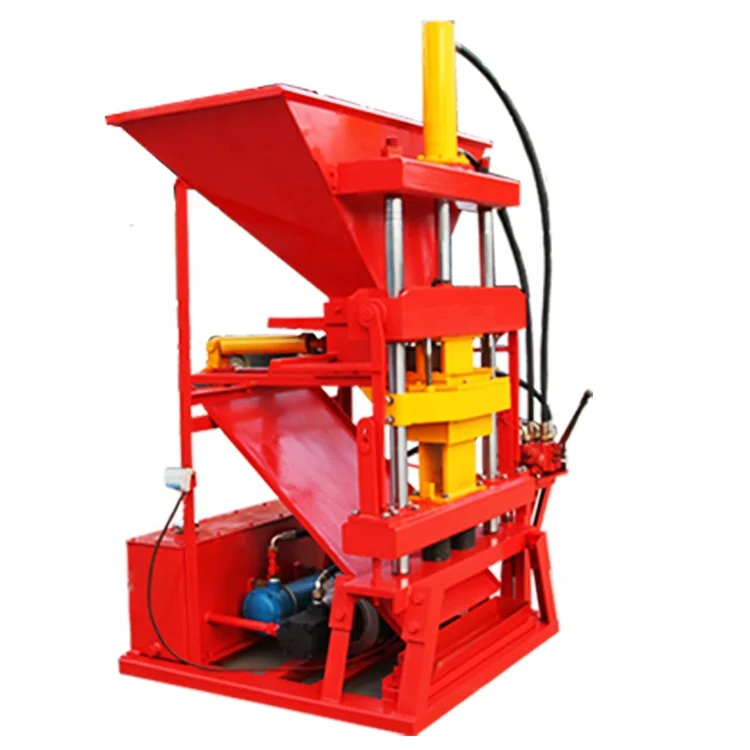
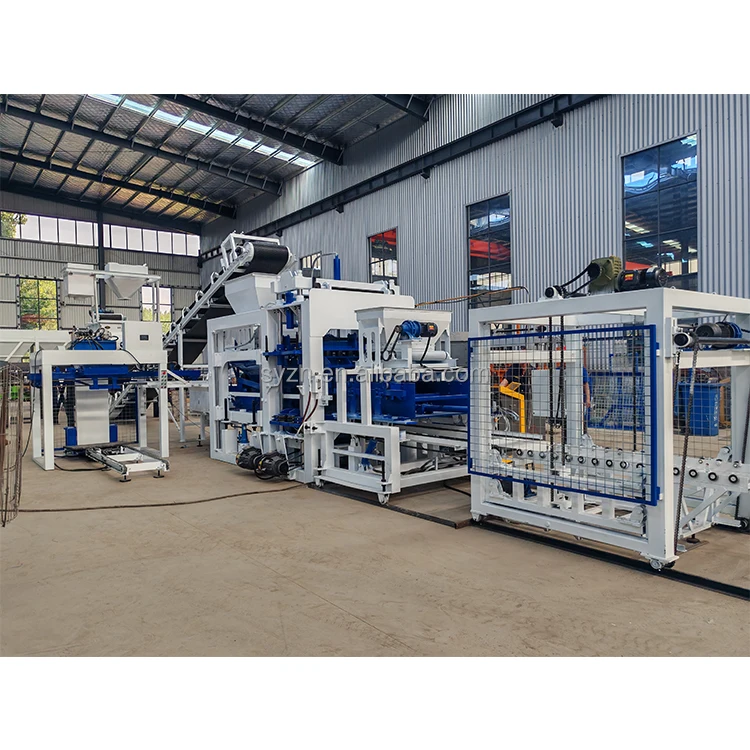 Automatic block machine