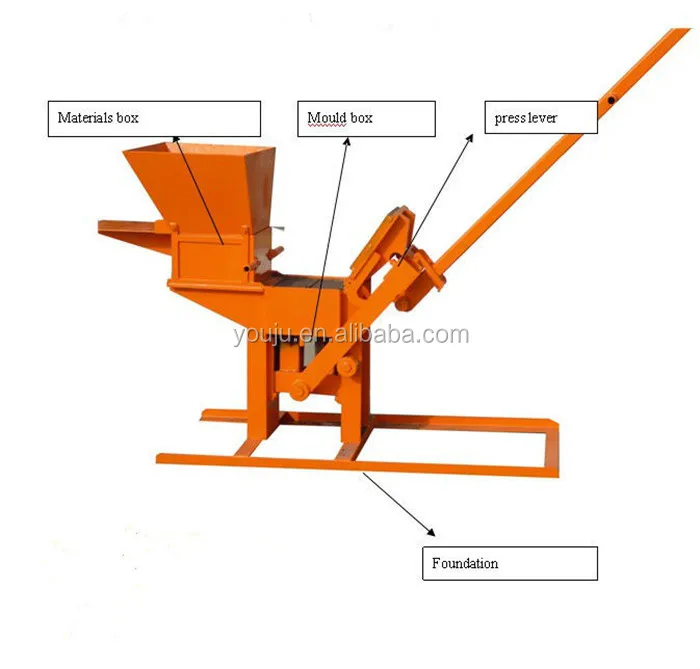
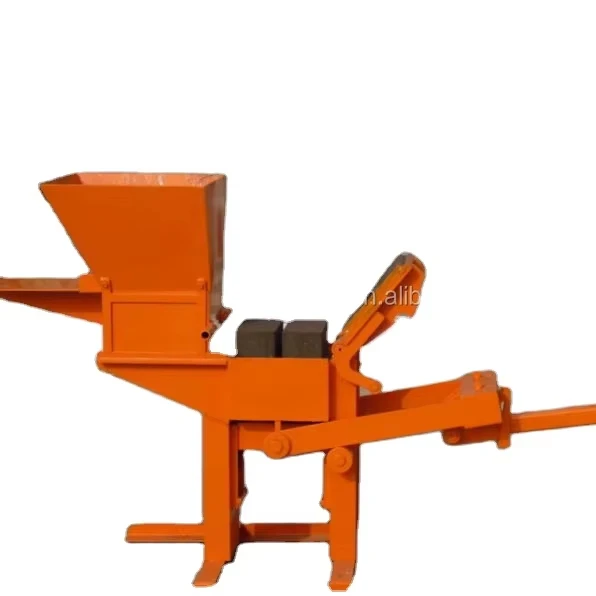
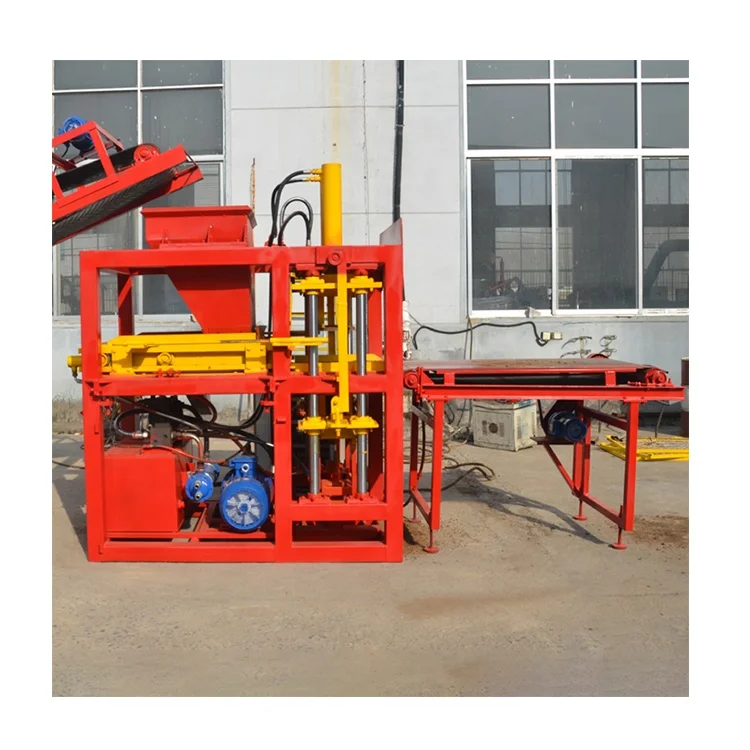
Single-Focus Engineering — The ECO BRB anchors a complete block machine range where every hydraulic pressure rating, mould profile, and pallet-free design choice is matched to your site conditions rather than selected from a catalogue default.
Technical Specifications
| Parameter |
Value |
| Model |
ECO BRB |
| Product Type |
Compressed Earth Block Machine |
| Overall Dimensions (L×W×H) |
1490 × 980 × 1970 mm |
| Pressure Type |
Hydraulic |
| Molding Cycle |
15–20 s per stroke |
| Overall Power |
4.5 kW |
| Total Mass |
850 kg |
| Pallet Requirement |
No pallets required (egg-laying operation) |
| Daily Capacity |
about 3800 pcs/shift (basis not stated in source — confirm block format, material, and thickness) |
| Raw Material Compatibility |
Cement or clay |
| Typical Mould Formats |
Interlocking brick, paving brick, solid brick |
| Automation Level |
Manual / semi-automatic |
| Voltage & Frequency |
To be confirmed before production |
| Warranty |
1 year (excluding spare parts) |
Application Suitability
| Application |
Material or Output |
| On-site housing project construction |
Clay interlocking bricks laid without a fixed curing yard |
| First-plant entrepreneur operations |
Cement-based solid and paving bricks at workshop scale |
| Distributor format expansion |
Adding clay interlocking profiles to an existing block product range |
| Remote or off-grid building sites |
Mobile production where pallet logistics are impractical |
What "3800 Pieces per Shift" Actually Means for Your Project
Every capacity number only becomes real once you tie it to a specific brick size, mix design, and operator cadence.
Buyers often receive a single output figure with no mention of which block format it assumes, and the gap between quoted and actual production can shut down a project schedule before the first wall goes up [NEED_CITE: capacity calculation standards for compressed earth block equipment]. When the ECO BRB is listed at about 3800 pieces per shift, that number must be validated against the exact interlocking brick profile you intend to sell, the clay or cement blend your local quarry provides, and whether your crew can sustain the 15–20 second cycle consistently across an eight-hour window. Without that context, the figure is a starting point for discussion, not a production guarantee.

Placing the ECO BRB Within the Full Machine Range
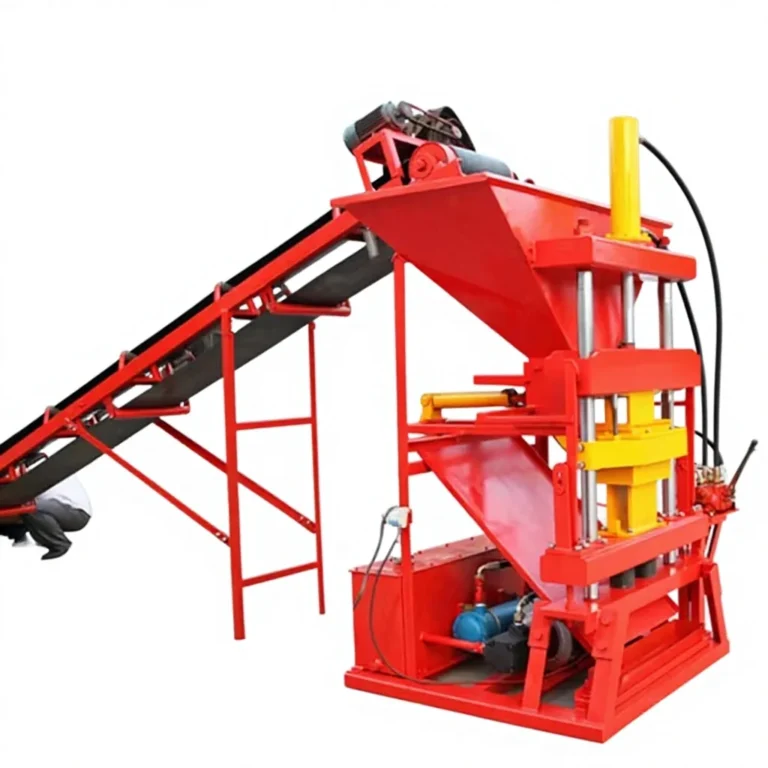
The ECO BRB occupies the entry tier for buyers who need a compressed earth block machine manufacturer to supply a unit that works without pallets or a permanent curing yard. Its egg-laying design lets you produce directly on a graded section of the building site, eliminating the capital outlay for pallets and the forklift traffic a fixed plant demands. For a construction contractor producing interlocking bricks beside the structure being built, that mobility is often more valuable than raw cycle speed.
Knowing When to Step Up to the Next Tier
If your daily demand moves beyond single-shift workshop volumes, the range extends into semi-automatic lines with pallet feeders and stacking systems, and then into fully automatic plants with PLC-controlled batching and cubing. The question is never simply "how fast does this machine press?" but rather "does the output tier match the curing area, labour pool, and logistics I already have on site [NEED_CITE: block plant capacity planning and tier selection]?" A buyer surveying the full range should map their target block format and local aggregate first, then let the correct tier reveal itself.
Reading the Specs That Shape Your Daily Output
The 4.5 kW power rating on the ECO BRB tells you the hydraulic circuit is sized for intermittent pressing rather than continuous high-tonnage vibration, which suits clay and light cement mixes but means you should not expect the same compaction density a larger vibration-assisted line delivers. The 15–20 second molding cycle governs your theoretical strokes per hour, yet real throughput depends on how quickly your crew can move the machine between press positions on the ground. Because no pallets are required, you avoid pallet inventory costs, but you trade that for a level, compacted earth bed — an uneven surface produces bricks with inconsistent interlocking geometry. The 850 kg mass keeps the unit movable by a small crane or forklift, confirming the on-site deployment intent.
The Cost of Skipping the Mix-Design Conversation
Filling the hopper with an aggregate the mould was never specified for is one of the fastest ways to silence a new machine [NEED_CITE: premature mould wear from mismatched aggregate in compressed earth block production]. I once watched an interlocking brick line go quiet after only a few months because the local volcanic ash material was far more abrasive than the laterite the mould had been designed around. The result was not a dramatic failure but a slow grinding away of the profile edges until the interlocking geometry no longer locked. That downtime cost the contractor more than any price difference between machine tiers could have saved.
Why Sourcing From a Single-Focus Manufacturer Matters
Block machinery is our only product line, so the ECO BRB, its mould, and any supporting equipment are specified as one matched system rather than assembled from separate suppliers. We set the configuration against your actual clay or cement mix and target interlocking profile, not a catalogue default. Mould design covers the specific profiles your market sells, and custom drawings are available when standard formats fall short. If you begin at the ECO BRB tier, the range offers a clear upgrade path into pallet-based semi-automatic and automatic lines when volume demands grow.
Documentation & Verification
- Machine specification sheet confirming hydraulic pressure matched to your clay or cement mix
- Mould drawing and format list covering the interlocking profiles your market requires
- Line layout showing the ECO BRB footprint relative to your site curing area
- Voltage and control language confirmation document issued before production begins
- Factory test record documenting actual cycle times on your specified brick format
Installation, Commissioning & Support
- Confirm a level, compacted earth bed within the 1490 × 980 mm working footprint before delivery
- Verify site supply matches the confirmed voltage and frequency for the 4.5 kW motor circuit
- Arrange a suitable lifting method for the 850 kg unit during placement on the production area
- Schedule mould alignment checks and hydraulic pressure calibration during first commissioning
- Train operators on the 15–20 second molding cycle cadence and safe egg-laying movement sequence
- Establish a wear-part reorder schedule for the mould cavity surfaces exposed to your specific aggregate
What We Need Before Quoting
To match the ECO BRB to your project, share the interlocking brick profile your market sells, your local clay or cement mix composition, and the daily output you need to sustain. We also ask for your site voltage, frequency, and the language your operators prefer on any control interface so commissioning is not delayed by a configuration mismatch on arrival.
Frequently Asked Questions
Q: How is the daily capacity of about 3800 pieces per shift calculated for the ECO BRB?
A: That figure is tied to a specific block format, mix, and operator cadence that must be confirmed for your project. Without knowing your exact interlocking brick size and whether you are pressing clay or cement, the number serves only as a starting reference. We provide a per-format capacity calculation once your material and target profile are defined.
Q: Which machine tier in the range fits my site footprint and investment level?
A: The ECO BRB sits at the entry tier for buyers who need pallet-free, on-site production with a compact footprint. If your daily volume grows or you require multiple brick formats in a single shift, the range extends into semi-automatic and automatic tiers. Your target output and available curing area determine the correct placement.
Q: Can the mould be customized to the interlocking brick profile my market requires?
A: Yes. Standard mould formats include interlocking, paving, and solid brick profiles, and custom mould design is available based on your drawings or a sample brick from your market. We verify the mould profile against your mix design before production to ensure the interlocking geometry performs correctly with your local material.
Q: What voltage, frequency, and control language options are confirmed before shipment?
A: These are confirmed during the quotation stage and documented before production begins. Providing your site voltage, frequency, and preferred operator language upfront prevents commissioning delays when the machine arrives, and the confirmation document is included with the shipment paperwork.
Q: What does the range look like if I need to scale beyond the ECO BRB later?
A: The range extends into semi-automatic lines with pallet feeding and stacking, then into fully automatic plants with PLC-controlled batching and cubing. Starting with the ECO BRB does not lock you into one tier; the mould formats and mix design work we do now carry forward when you are ready to step up to a higher-output line.

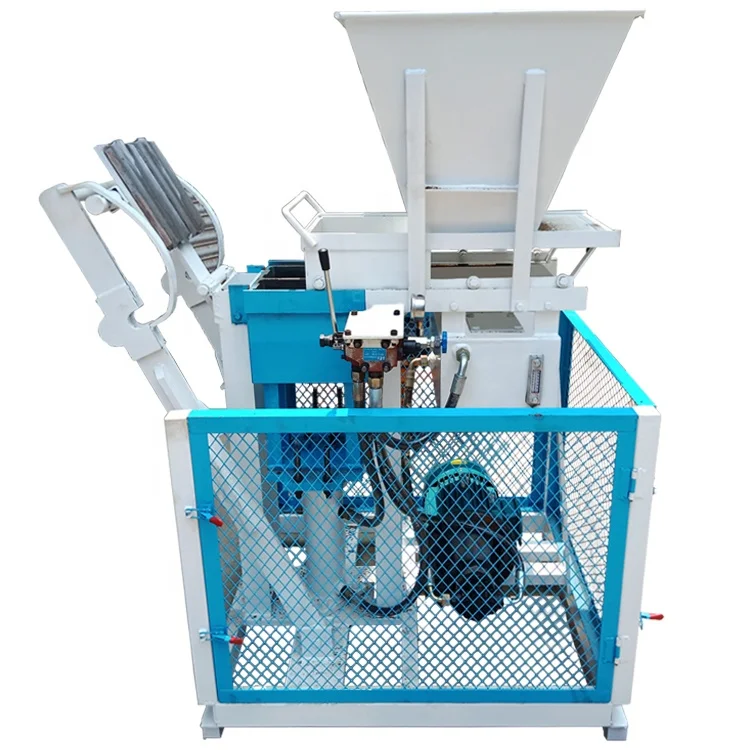
 Clay interlocking brick