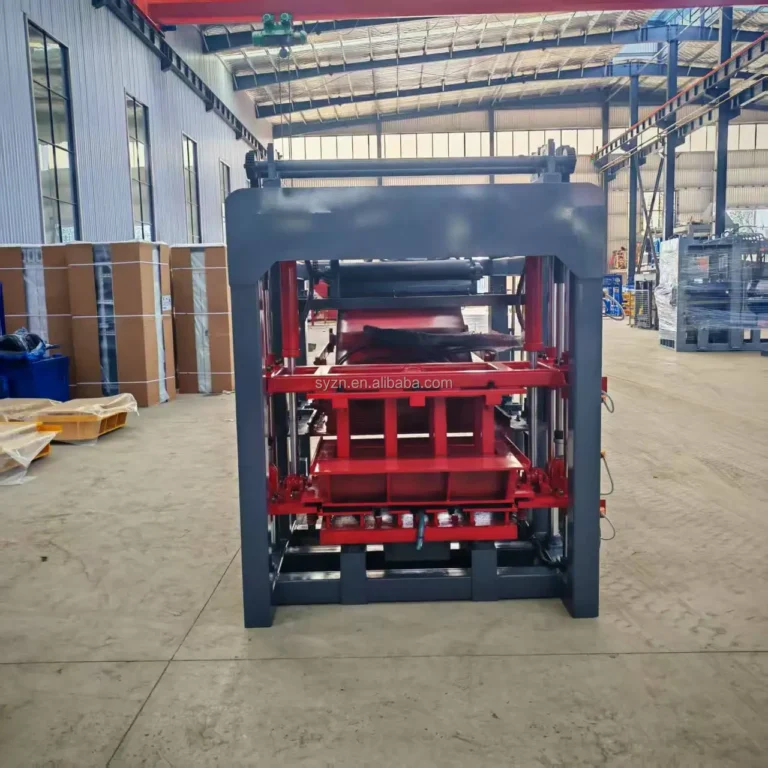
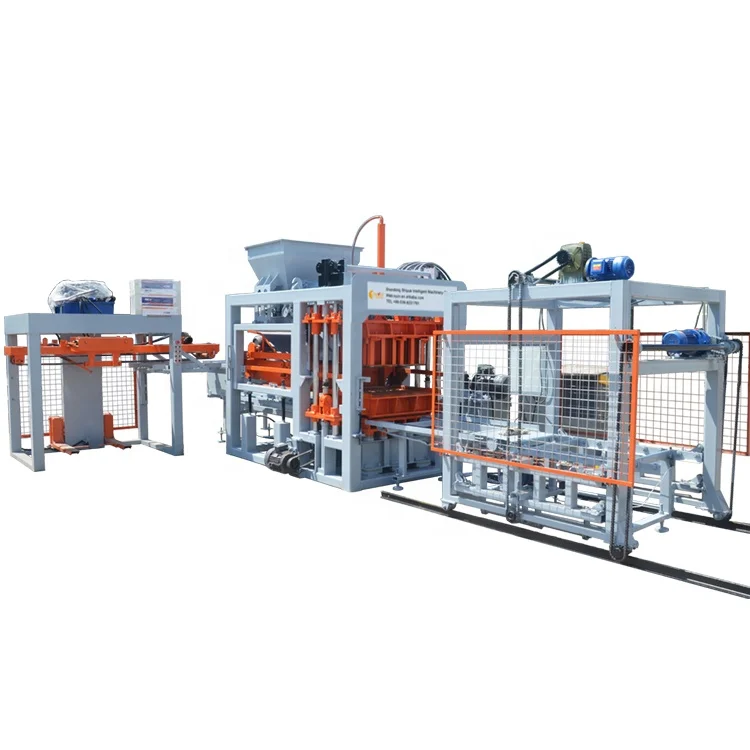
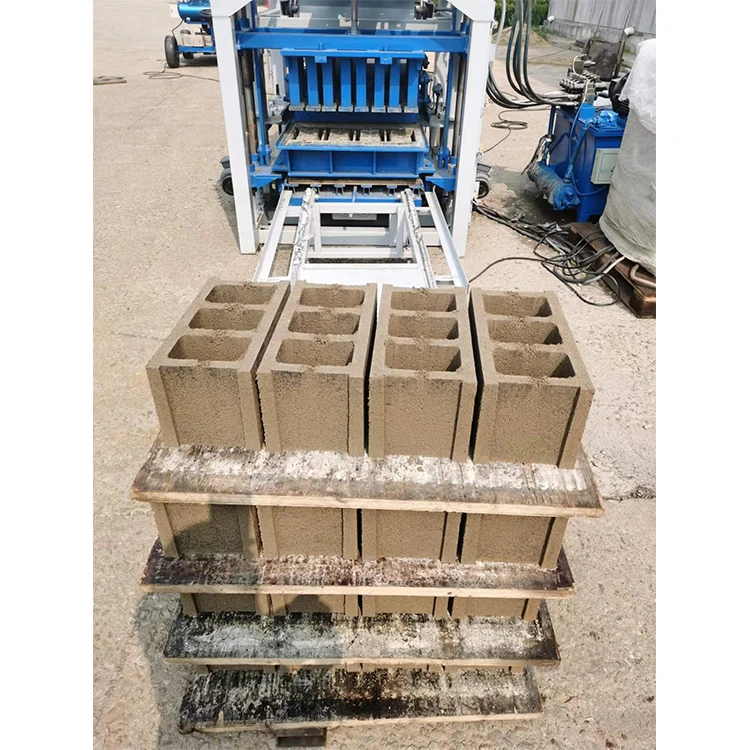
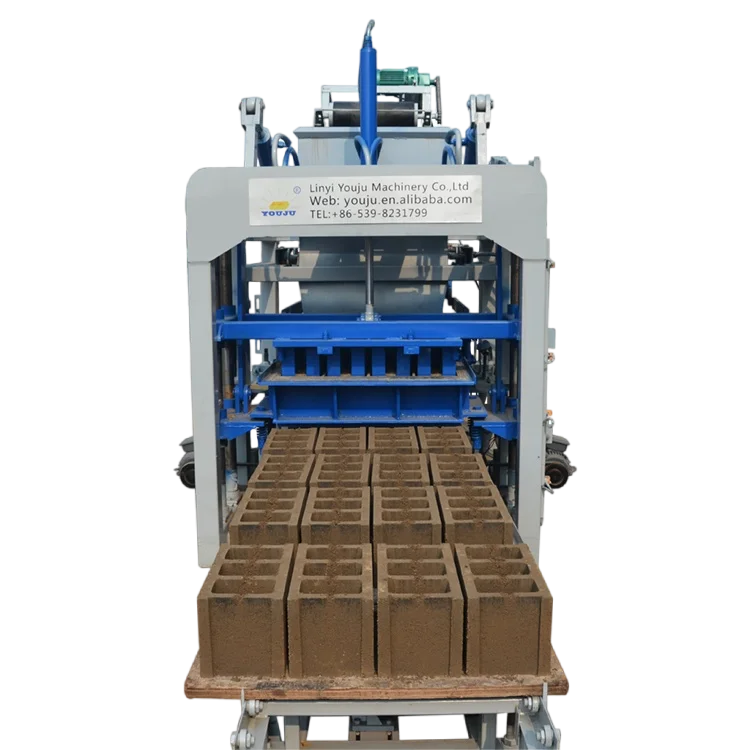
Matched System Design — Machine, mould, pallet, and handling specified together against the buyer’s actual block format rather than sold as a standalone press.
Technical Specifications
| Parameter |
Value |
| Model |
LY2-10 |
| Product Type |
Clay Interlocking Block Making Machine |
| Machine Type |
Semi-automatic clay and cement interlocking brick making machine |
| Rated Power |
7.5 kW |
| Molding Cycle |
10 s |
| Output Capacity |
750 pcs/hour (1 pc/mould across listed formats; 8-hour shift basis to be confirmed) |
| Raw Materials |
Clay, soil, earth, mud, concrete, cement, fly ash |
| Overall Dimensions (L×W×H) |
1300 × 1800 × 2400 mm |
| Mould Format Options |
300×150×100 mm, 250×125×75 mm, 230×220×115 mm (1 pc/mould each) |
| Automation Level |
Semi-automatic |
| Voltage & Frequency |
Configurable to destination market (to be confirmed before order) |
| Control System |
To be confirmed (PLC or relay logic) |
| PLC Display Language |
To be confirmed |
| Pallet Size |
To be confirmed |
| Hydraulic Pressure |
To be confirmed |
| Vibration Force |
To be confirmed |
| Mould Change Time |
To be confirmed |
| Key Features |
Semi-automatic operation, multiple interlocking mould formats, raw material flexibility |
Application Suitability
| Application |
Material or Output |
| Small-scale interlocking block production |
Clay, soil, earth mixed with cement |
| On-site construction block making |
Locally sourced mud and concrete |
| Sidewalk and pavement brick manufacturing |
Fly ash and cement blends |
| Entrepreneur first-block-plant setup |
Clay and soil interlocking formats at limited initial investment |
Why "6000 Pieces per Shift" Means Less Than You Think
Output figures without a named block format are marketing, not engineering.
I have watched buyers sign contracts based on a headline capacity number, then discover on commissioning day that the figure assumed their smallest, lightest block. The moment they switched to the format their market actually buys, daily throughput dropped sharply and the business plan fell apart. The clay interlocking block making machine manufacturer you choose should state every output number against a specific mould profile, wall thickness, and mix design — and provide a factory test record proving it before the crate closes [NEED_CITE: honest capacity disclosure standards in block machinery exports].
Where the LY2-10 Fits in the Shiyue Range
Shiyue builds block machines across three broad tiers — mobile egg-laying units for on-site work, semi-automatic presses like the LY2-10 for small-plant startups, and fully automatic lines with pallet feeders, stackers, and cubing systems for high-volume production. The LY2-10 sits at the entry point of the semi-automatic tier. Buyers who expect to grow into larger output later can stay within the same manufacturer ecosystem, which simplifies mould interchangeability and spare parts sourcing. A clay interlocking block making machine at this tier is designed for producers who want format flexibility without the capital outlay of a full automatic line.
Understanding the Three Interlocking Mould Formats
The LY2-10 ships with three standard interlocking profiles: 300×150×100 mm for structural walling, 250×125×75 mm for partition and infill work, and 230×220×115 mm for paving and landscaping applications. Each mould produces one block per cycle at a stated 10-second molding cycle, giving a theoretical rate of around six blocks per minute per format [NEED_CITE: interlocking block profile standards by regional construction code]. The critical point is that switching formats means changing the mould on the press, and the time that takes directly subtracts from production hours. Buyers should confirm mould change procedure and tooling requirements before placing an order, especially if the business plan depends on running multiple formats in a single shift.
Reading the Specs That Actually Govern Block Quality
The 7.5 kW rated power drives both the hydraulic system and the vibration mechanism, and how that power is split between pressure and vibration determines whether the interlocking block achieves the density and compressive strength the local market demands. If the clay or soil being fed contains a high proportion of fines or moisture, vibration force must be matched to prevent lamination inside the mould. The overall footprint of 1300 × 1800 mm means the press itself is compact, but the surrounding space needed for pallet handling, curing racks, and raw material staging is not reflected in that number. Semi-automatic operation here means the operator loads the mould box and removes the finished block on its pallet manually, so labour planning must account for continuous physical handling across an eight-hour shift. Voltage and frequency must be confirmed to match the destination country’s grid before the control panel is wired [NEED_CITE: voltage and frequency standards by export market].

The Cost of Skipping Configuration Questions Early
Buyers who confirm price before confirming pallet size often discover the pallets the machine requires do not fit the curing racks already on site, forcing a second capital purchase. Others skip the voltage conversation and find the PLC display arrives in a language the operators cannot read, delaying commissioning while the control panel is reprogrammed or replaced. When hydraulic pressure and vibration force are not calibrated to the actual clay mix and local aggregate available, the interlocking blocks crack during curing or fail compressive strength tests — a problem that only shows up after thousands of unsellable units have already been produced [NEED_CITE: block failure causes traced to machine-material mismatch].
Why Buyers Source This Range Through Shiyue
Block machinery is the single focus here, so the LY2-10 is specified as part of a matched system — press, mould, pallet, and handling — rather than assembled from unrelated suppliers. Every configuration is set against the buyer’s actual mix design and target block format instead of a catalogue default. Mould design covers the interlocking profiles the buyer’s market sells, with custom drawings available when standard formats do not match local building codes. The automation level is selectable, meaning a buyer can start with the LY2-10 semi-automatic setup and move to a higher-tier automatic line later within the same manufacturer range. Installation and commissioning support includes operator training so the crew knows how to adjust cycle parameters when the raw material source changes.
Documentation & Verification
- Line layout showing space needed around the LY2-10 for pallet handling and curing rack access
- Capacity calculation per interlocking mould format with stated cycle assumptions
- Machine specification sheet confirming voltage, frequency, and control language for your market
- Mould drawing and format list for all three standard interlocking profiles
- Factory test record demonstrating actual cycle time and output per format before dispatch
- Packing photographs and customs documentation support for export clearance
Installation, Commissioning & Support
- Foundation pad sized to the 1300 × 1800 mm footprint with anchor bolt layout provided
- Dedicated power circuit rated for the 7.5 kW motor draw at confirmed local voltage and frequency
- Machine shipped as a single assembled unit; on-site setup limited to utilities and mould fitting
- First-run commissioning includes cycle time verification against the buyer’s selected interlocking format
- Operator training covers mould change procedure, mix adjustment, and daily maintenance checks
- Wear parts list and mould replacement schedule provided at handover
What We Need From You to Size This Correctly
Tell us which interlocking block format your market sells most and the daily volume you need to hit. Share your raw material source — whether that is local clay, soil, or a fly ash blend — along with any lab test results you have on particle size and moisture range. Confirm your site voltage, frequency, and the control display language your operators require so the machine arrives ready to run.
Frequently Asked Questions
Q: How is the output capacity of the LY2-10 calculated for each block format?
A: The stated cycle time is 10 seconds, producing one block per mould across all three listed interlocking formats. This gives a theoretical rate of roughly 750 pieces per hour. Actual daily output depends on operator speed during pallet handling, mould change frequency, and raw material preparation time. We provide a written capacity calculation tied to your specific format before order confirmation.
Q: Where does the LY2-10 sit compared to automatic and mobile machines in the Shiyue range?
A: The LY2-10 is positioned at the entry point of the semi-automatic tier. Mobile egg-laying machines below it produce on-site without pallets but with lower output consistency. Automatic lines above it add pallet feeding, stacking, and cubing for higher volume. The LY2-10 suits buyers starting an interlocking block business who plan to scale later within the same manufacturer range.
Q: What voltage, frequency, and control language options can I specify?
A: The control system, voltage, and frequency are configured to match your destination market’s grid before the machine ships. PLC display language is confirmed during the order process. We request this information early so commissioning is not delayed by electrical or language mismatches after the machine arrives on site.
Q: Can I start semi-automatic with the LY2-10 and move to full automation later?
A: Yes. The Shiyue range is structured so buyers can begin with semi-automatic equipment and transition to higher-tier automatic lines as volume grows. Mould formats and pallet specifications can carry over between tiers, protecting your initial tooling investment. Discuss your growth timeline so we can recommend the right starting configuration.
Q: What site footprint and conditions does the LY2-10 need compared to larger models?
A: The press itself measures 1300 × 1800 × 2400 mm, but semi-automatic operation requires additional floor space for manual pallet handling, raw material staging, and curing rack placement. Unlike fully automatic lines, there is no stacker or cubing system to accommodate. We provide a line layout drawing showing the recommended working area around the machine for your production volume.

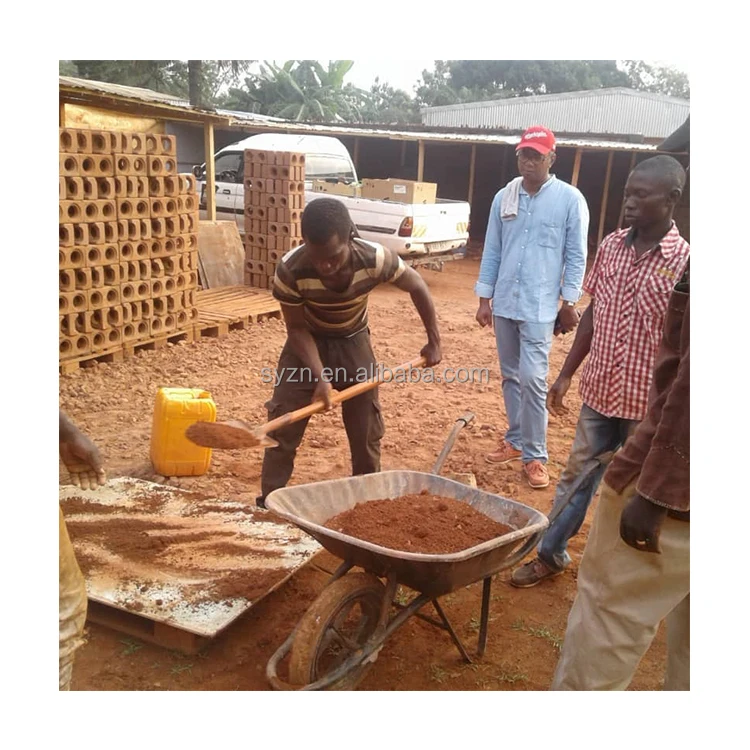
 High quality block machine