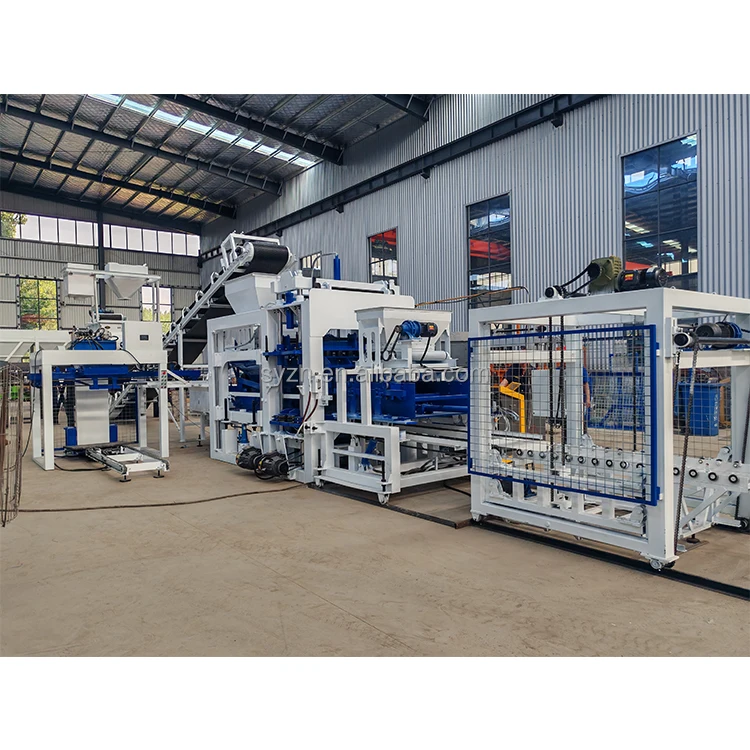
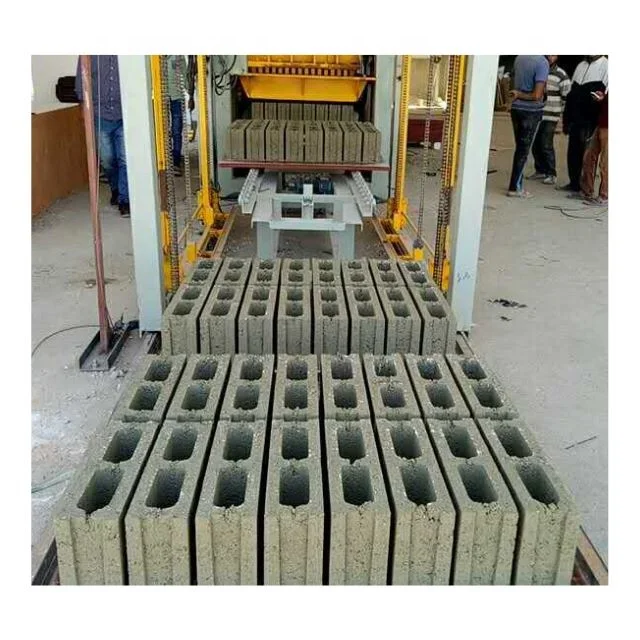
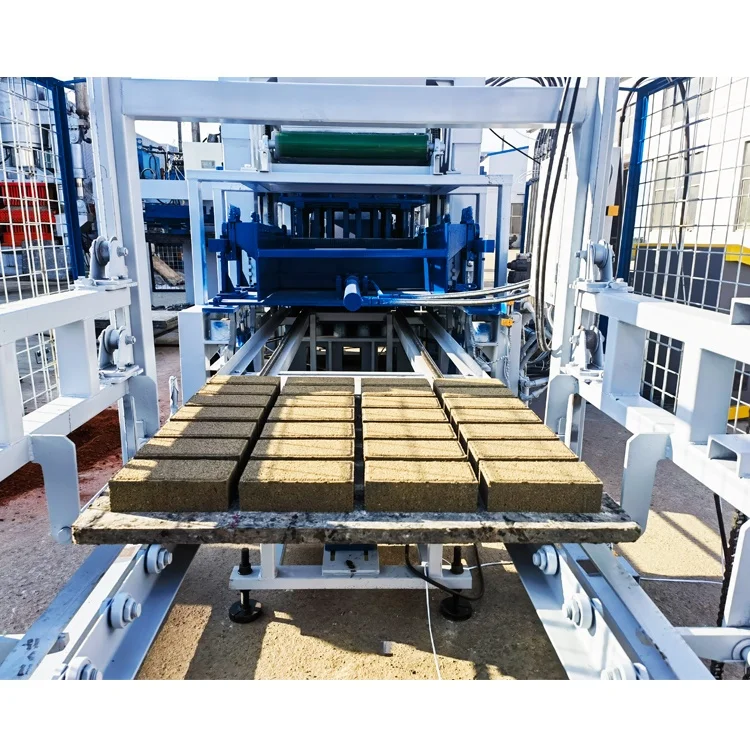
Entry-Tier Block Making Machine Range — every output tier from the QTJ4-35 mechanical manual press through to high-capacity automatic lines is specified against the buyer’s actual block format, not a generic catalogue figure.
Technical Specifications
| Parameter |
Value |
| Model |
QTJ4-35 |
| Product Type |
Mechanical Manual Block Making Machine |
| Overall Dimensions (L×W×H) |
2050 × 1660 × 1900 mm |
| Main Vibration Form |
Motor Vibration |
| Vibration Force |
35 KN |
| Pallet Size |
850 × 450 × 20 mm |
| Molding Cycle (Hollow Block) |
35–40 s (based on 400×200×200 mm & 400×150×200 mm hollow block) |
| Molding Cycle (Solid / Paver / Interlock) |
40–50 s (based on 240×115×53 mm solid brick, 200×100×60 mm paver, 225×112.5×60 mm interlocking brick) |
| Output Capacity — Hollow Block 400×200×200 mm |
360–408 pcs/h (4 pcs/mould) |
| Output Capacity — Hollow Block 400×150×200 mm |
360–510 pcs/h (5 pcs/mould) |
| Output Capacity — Solid Brick 240×115×53 mm |
1512–1890 pcs/h (21 pcs/mould) |
| Output Capacity — Paver 200×100×60 mm |
1008–1260 pcs/h (14 pcs/mould) |
| Output Capacity — Interlocking Brick 225×112.5×60 mm |
648–810 pcs/h (9 pcs/mould) |
| Daily Output (8 hr) — Hollow Block 400×200×200 mm |
2880–3264 pcs |
| Daily Output (8 hr) — Hollow Block 400×150×200 mm |
2880–4080 pcs |
| Daily Output (8 hr) — Solid Brick 240×115×53 mm |
12096–15120 pcs |
| Daily Output (8 hr) — Paver 200×100×60 mm |
8064–10080 pcs |
| Daily Output (8 hr) — Interlocking Brick 225×112.5×60 mm |
5184–6480 pcs |
| Overall Power |
9.8 kW |
| Automation Level |
Mechanical manual (semi-automatic with manual pallet handling) |
| Mould Formats Supported |
Hollow block, solid brick, paving block, interlocking brick |
| Hydraulic Pressure |
Not applicable (mechanical vibration + upper/lower mould compression) |
| Voltage & Frequency |
Configurable — confirm with supplier before production |
| Control System |
Configurable — confirm with supplier before production |
| Net Weight |
To be confirmed |
Application Suitability
| Application |
Material or Output |
| Small-scale hollow block plant |
Crushed stone, sand, cement and water producing 400×200×200 mm or 400×150×200 mm hollow blocks for local masonry construction |
| On-site contractor brick production |
Locally sourced aggregate and cement producing 240×115×53 mm solid bricks at a project compound |
| Paver and kerbstone supply |
Crusher dust, fine aggregate and cement producing 200×100×60 mm paving blocks for driveways and walkways |
| Interlocking brick enterprise |
Selected sand, laterite or stone dust with cement producing 225×112.5×60 mm interlocking bricks for low-cost walling |
| First-plant entrepreneur |
Multi-format start-up producing any of the above formats on one block making machine manufacturer platform with low initial capital |
What "360 Pieces per Hour" Actually Means When No Format Is Named
A capacity number without a block format attached is a number that will disappoint you on the first Monday of production.
Many quotations for block machines lead with a single cycles-per-hour figure and leave the buyer to discover later that the number assumed a small solid brick, not the hollow block the business was planned around. I have stood on sites in Java where a brand-new press sat idle for two days while the owner tried to reconcile the proforma invoice output with the pallets he was actually filling — the difference was not a few percent but a factor of two, simply because the mould cavity count and cycle time for his target format had never been discussed. When you evaluate a block making machine manufacturer, insist that every capacity line in the proposal names the exact block dimensions, the cavity count and the cycle window that produced the number. [NEED_CITE: common discrepancy between quoted and actual block plant output]

Where the QTJ4-35 Sits in the Complete Shiyue Range
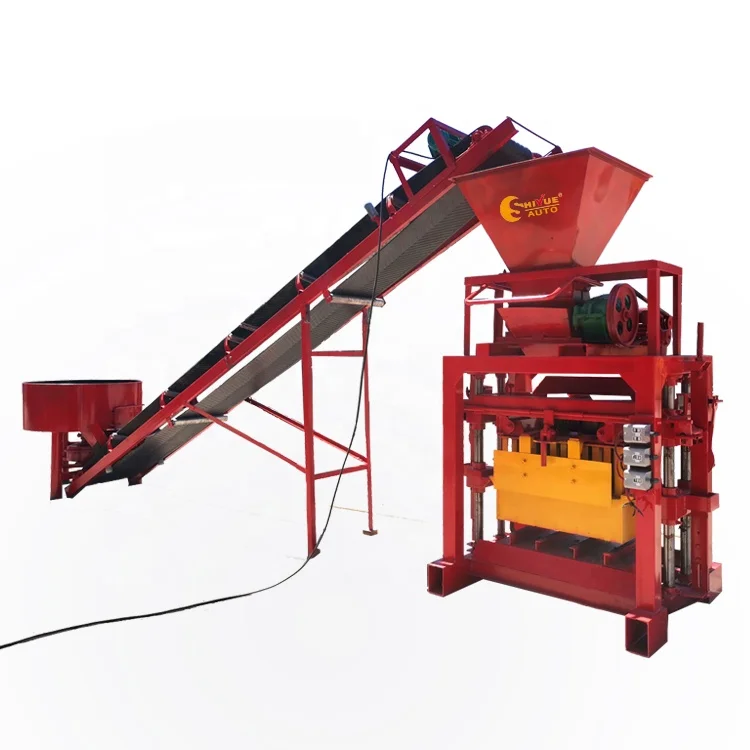
The QTJ4-35 is the entry tier of the Shiyue block machine range, positioned for buyers who need a first plant or a workshop-scale setup with multi-format capability and limited capital outlay. It uses a mechanical vibration system rated at 35 KN combined with upper and lower mould compression, delivering consistent block density across all supported formats without the hydraulic package found on higher tiers. Above it, the range extends through semi-automatic lines with pallet-feeding conveyors and fully automatic lines with stacking and cubing, so the block making machine manufacturer can place a buyer at the tier that matches today’s volume and then plot the upgrade path as the market grows.
Choosing Between Mechanical, Semi-Automatic and Fully Automatic Tiers
The decision between tiers comes down to three questions: how many pallets per hour will your curing area absorb, how many operators do you plan to employ, and how much format changeover will you do in a typical week. A mechanical manual press like the QTJ4-35 keeps the operator count at two or three and handles pallet loading by hand, which is the right fit when daily output stays within a few thousand hollow blocks and the curing yard is a short walk from the press. When daily targets move into five-figure hollow block volumes or the labour market makes manual pallet handling unreliable, the semi-automatic tier inserts a pallet feeder and conveyor so the press is never left waiting. The fully automatic tier adds stacking and cubing, removing the heaviest manual tasks and letting the same two-person crew run a substantially higher output. [NEED_CITE: typical labour and throughput differences between block plant automation tiers]
Reading the Numbers That Actually Matter on the Shop Floor
Vibration force, pallet size and cycle time are the three figures that decide whether the blocks you make on Monday match the ones you make on Friday. The QTJ4-35 delivers 35 KN through a motor-driven vibration system rather than a hydraulic press, which is appropriate for the entry tier where mix designs tend to be simpler and cement ratios moderate. The 850 × 450 × 20 mm pallet size was chosen to stay within manual handling limits — one operator can carry a loaded pallet without mechanical assistance, and the footprint fits standard workshop curing racks. The cycle split between 35–40 seconds for hollow blocks and 40–50 seconds for solid bricks, pavers and interlocking bricks reflects the different compaction requirements of each format; solid formats need a slightly longer vibration window to achieve full density through the cross-section. Mould changeover on this platform is manual, so if your weekly schedule jumps between three or four formats you should factor that change time into your planning rather than assuming the press will switch in minutes.
The Hidden Cost of Skipping the Pallet and Curing Conversation
A pallet size chosen without checking your existing curing racks and forklift dimensions will surface as a problem the day the container opens. If your racks were built around a different pallet footprint, every loaded pallet from the QTJ4-35 will need re-stacking before it enters the curing zone, adding a manual step you never budgeted for and slowing the line to whatever speed your crew can hand-move product. Voltage and control language fall into the same category — when these are left as defaults rather than confirmed against the site supply and operator preference, commissioning stretches from a one-day exercise into a multi-day troubleshooting session. [NEED_CITE: on-site commissioning delays caused by unconfirmed electrical specifications]
Why Buyers Source This Range Here Rather Than Assembling from Separate Suppliers
Block machinery is the single focus of this block making machine manufacturer, which means the press, mould, pallet and handling equipment are specified as one matched system rather than assembled from unrelated vendors. Configuration is set against your actual mix design, local aggregate source and target block format — not a catalogue default that may have been tuned for a different region’s sand and stone. Mould design covers the formats your market actually sells, including custom drawings when a standard cavity layout does not fit your product plan. Automation level is selectable, so you can start on the mechanical manual QTJ4-35 today and move to a semi-automatic or automatic line later without replacing the knowledge base your operators already built. Installation and commissioning support includes operator training on your chosen format, and mould and wear parts supply is structured so replacements are available when the first change is due rather than weeks after the request.
Documentation & Verification
- Line layout with capacity calculation stating the block format assumed for every output figure
- Machine specification sheet covering vibration force, pallet size and overall power
- Mould drawing and format list for hollow block, solid brick, paver and interlocking brick
- Voltage, frequency and control language confirmation signed off before production
- Factory test record on your target block format with your proposed mix design
Installation, Commissioning & Support
- Compact 2050 × 1660 × 1900 mm footprint fits workshop floors without heavy civil works
- 9.8 kW total power draw suits standard three-phase workshop supply circuits
- Manual pallet handling tier requires no conveyor or stacker installation on arrival
- On-site commissioning includes cycle time tuning for your local aggregate and mix
- Operator training covers mould change procedure for all supported block formats
- Wear parts and mould replacement list provided with lead times for each item
What to Share with Your Inquiry
Send the exact block dimensions and format you plan to produce first, the daily output target for that format, and a description of your local aggregate — sand type, stone size, any volcanic or lightweight material in the mix. Include your site voltage and frequency, the control language your operators read, and whether your curing area already has racks built to a specific pallet footprint. If you are working to a project deadline, state the date you need the press producing on-site so the dispatch schedule can be planned backwards from that point.
Frequently Asked Questions
Q: How is the daily output of the QTJ4-35 calculated, and which block format does each figure assume?
A: Every daily output figure is tied to a specific block format, mould cavity count and cycle window. For example, the 2880–3264 pieces per 8-hour day assumes 400×200×200 mm hollow blocks with 4 cavities and a 35–40 second cycle. Solid brick, paver and interlocking brick figures are listed separately because cavity count and cycle time differ.
Q: Where does the QTJ4-35 sit in the full range, and what is the upgrade path?
A: It is the entry tier — mechanical manual with hand pallet handling. The range extends upward through semi-automatic lines with pallet feeders and fully automatic lines with stacking and cubing. Buyers often start here and upgrade the line as market volume grows, keeping the same block making machine manufacturer relationship.
Q: What pallet size does this machine use, and how does it match standard curing setups?
A: The pallet size is 850 × 450 × 20 mm, chosen so one operator can carry a loaded pallet by hand. Before ordering, confirm this footprint against your existing curing rack dimensions and any forklift or trolley you already have, so loaded pallets slot straight into your curing zone on arrival.
Q: Which block formats and mould options are available, and how long does a change take?
A: The platform supports 400×200×200 mm and 400×150×200 mm hollow blocks, 240×115×53 mm solid bricks, 200×100×60 mm pavers and 225×112.5×60 mm interlocking bricks. Mould change is manual; the time required depends on operator familiarity and should be factored into weekly production planning.
Q: How are voltage, frequency and control language confirmed before shipment?
A: These are not pre-configured defaults. You state your site voltage, frequency and preferred display language during the proposal stage, and a written confirmation is signed before production begins so the machine arrives ready to connect without rewiring or reprogramming delays.

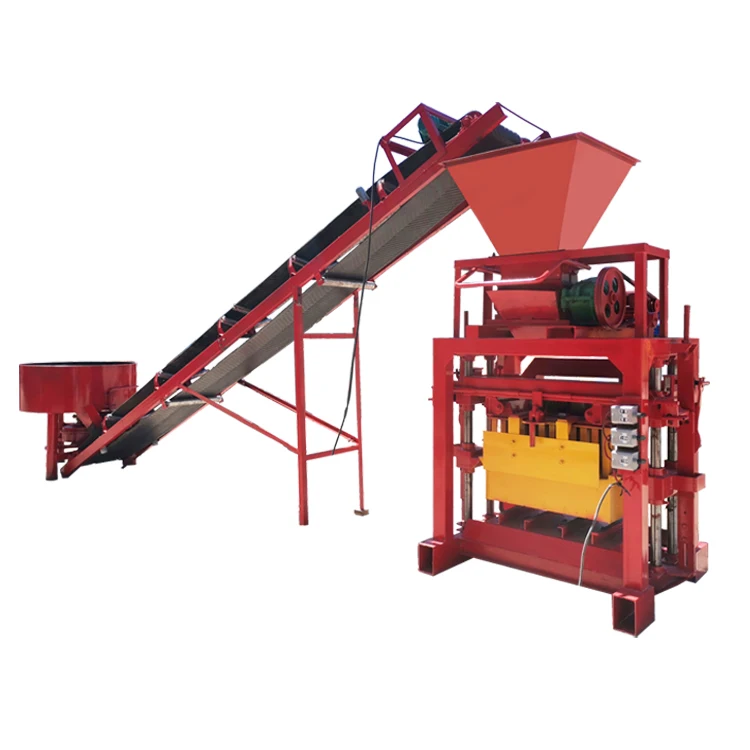
 High quality block machine