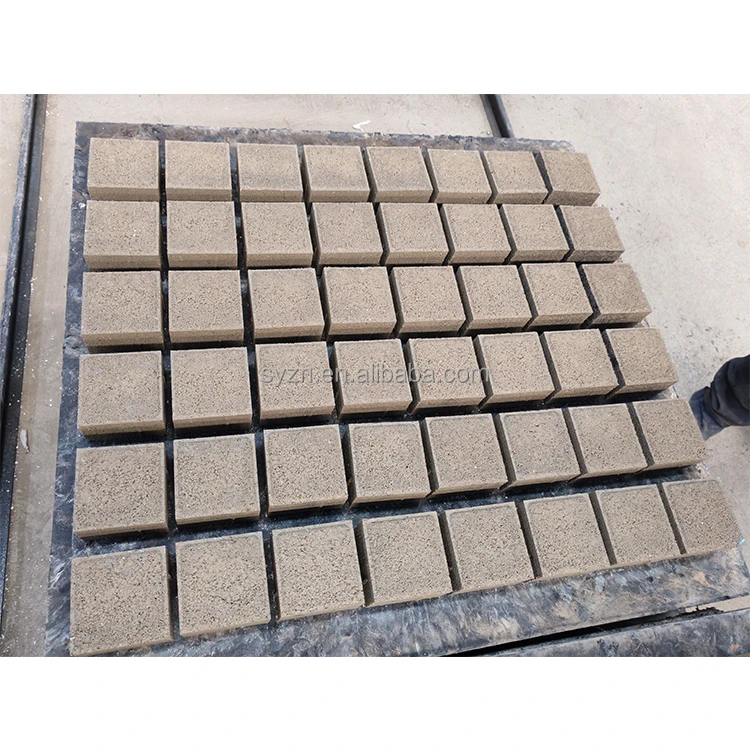
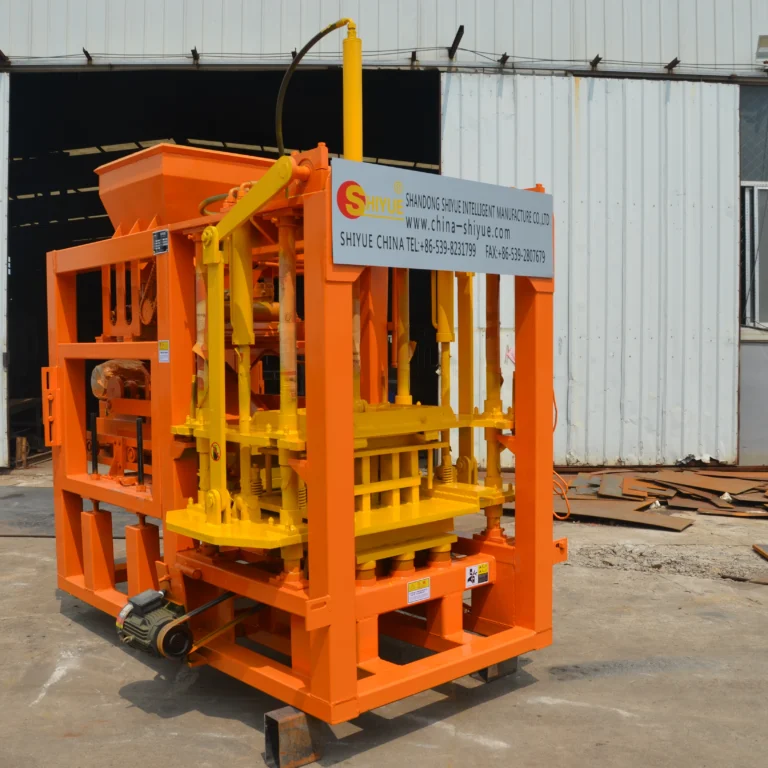
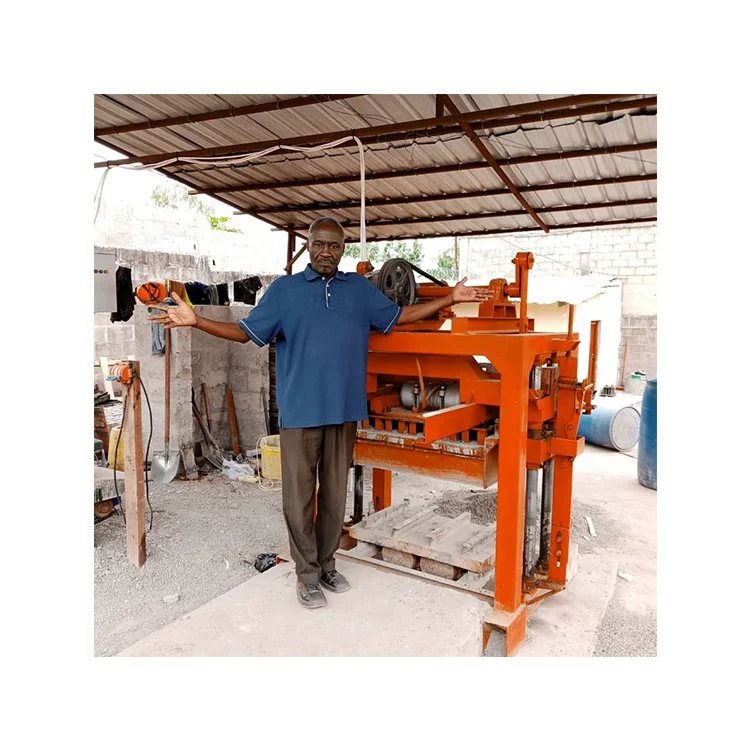
Configuration matched to local aggregate — the QTF3-20 is specified against your actual mix design and target block format, so daily output matches the capacity calculation you receive, not a generic catalogue figure.
Technical Specifications
| Parameter |
Value |
| Model |
QTF3-20 |
| Product Type |
Stationary Hydraulic Block Making Machine |
| Drive System |
Hydraulic drive compression molding |
| Main Vibration Form |
Platform vibration and pressure |
| Vibrating Frequency |
4600 rolls/minute |
| Cycle Time |
20 seconds (basis not stated in source — confirm block format, material, and thickness before quoting daily output) |
| Motors Power |
14.25 kW |
| Pallet Size |
680 × 530 mm |
| Raw Materials |
Crushed stone, sand, cement, dust, coal fly ash, cinder, slag, gangue, gravel, perlite, and other industrial wastes |
| Standards |
CE, ISO 9001 |
Application Suitability
| Application |
Material or Output |
| Urban and rural wall block production |
Hollow and solid concrete blocks from crushed stone and cement |
| Roadway and pavement projects |
Paving stones and kerbstones with or without face mix |
| Landscaping and garden construction |
Grass blocks, slope blocks, and interlocking pavers |
| Fly ash brick manufacturing |
High-mixture fly ash solid bricks and cork bricks |
| On-site contractor production |
Masonry products for housing and commercial building projects |
What "20 Seconds per Cycle" Actually Means for Your Plant
Cycle time is only meaningful when tied to a specific block format and material thickness.
Many stationary block machine manufacturer quotations list a single cycle figure that assumes the lightest, smallest block in the range. When the buyer runs a standard 200 mm hollow block, the actual cycle stretches well beyond the quoted number, and daily output falls short of the business plan. With the QTF3-20, the 20-second figure must be verified against your target block dimensions and raw material before any capacity calculation is finalised. I have seen entrepreneurs base their entire project finance model on a cycle time that was never validated for the product they actually sell [NEED_CITE: capacity verification against target block format]. The result is a plant that meets the spec sheet but misses the revenue forecast.

Placing the QTF3-20 Within the Full Machine Range
The QTF3-20 occupies the compact stationary tier, positioned between mobile egg-laying units and high-capacity fully automatic lines. Buyers who need a mid-volume plant without the footprint and capital outlay of a large automatic system find this model covers their requirement. The hydraulic drive and platform vibration deliver consistent density across formats, while the 680 × 530 mm pallet keeps the curing area and forklift requirements manageable for a first or replacement plant.
How the Range Scales With Your Business
Starting with a stationary block machine manufacturer offering at this tier does not lock you into a fixed automation level. The QTF3-20 can be configured from basic manual pallet handling through to semi-automatic stacking, and the line layout can accommodate future upgrades to full automatic cubing. This flexibility matters when a buyer’s market is still growing and the initial investment must stay within a defined budget while leaving room for capacity expansion [NEED_CITE: upgrade path from semi-automatic to full automatic block line].
Reading the Specs That Matter On the Shop Floor
The 4600 rolls/minute vibrating frequency works with the hydraulic compression to compact the mix evenly through the mould cavity, which directly affects block strength and surface finish. The 14.25 kW motor rating covers the combined load of the vibration platform and hydraulic pump, so the electrical supply must account for starting surge on top of continuous draw. Pallet size at 680 × 530 mm determines how many blocks are produced per cycle and how those blocks move through the curing area; choosing a pallet that does not match your existing rack spacing or forklift tine width creates a handling bottleneck that no amount of press speed can fix.
The Hidden Cost of Skipping Configuration Details
When voltage and frequency are not confirmed before production, a machine wired for 380 V / 50 Hz arrives in a 440 V / 60 Hz market and the motor burns out within the first week. When the PLC display language is not specified, operators face an interface they cannot read, and commissioning stalls until a technician can rewrite the screen text. I once watched a block plant lose an entire day because the control panel shipped in Chinese characters and the local crew could not navigate the menu to set the vibration timer [NEED_CITE: PLC language and voltage confirmation before dispatch]. These are not engineering failures; they are specification oversights that delay revenue.
Why Buyers Source This Tier From Us
The QTF3-20 is specified as part of a matched system — press, mould, pallet, and handling — rather than assembled from separate suppliers who each optimise for their own equipment. Capacity calculations state the block format assumed for each output figure, so there is no ambiguity between quoted and real production. Mould design covers the formats your market actually sells, including custom drawings when your local demand does not match a standard catalogue page. Voltage, frequency, and control language are confirmed in writing before the machine enters production, eliminating the most common commissioning delays.
Documentation & Verification
- Line layout and capacity calculation stating the block format assumed for each output figure
- Machine specification sheet confirming pallet size, vibration frequency, and motor power
- Mould drawing and format list showing which block types the QTF3-20 can produce
- Voltage, frequency, and PLC display language confirmation before production starts
- Factory test record run on your specified raw material mix where samples are provided
- Operation and maintenance manual with wear parts and mould replacement intervals
Installation, Commissioning & Support
- Foundation plan matched to the QTF3-20 hydraulic drive vibration load and overall footprint
- Dedicated electrical circuit sized for the 14.25 kW continuous draw plus motor starting surge
- Machine dismantling and container loading plan confirming which components arrive pre-assembled
- On-site commissioning with vibration timer and hydraulic pressure set to your mix design
- Operator training covering mould change procedure and daily platform inspection
- Wear parts list and mould inventory plan so first replacements are on hand before they are needed
What to Include With Your Inquiry
To match the QTF3-20 to your plant, provide the target block format and dimensions, the daily output you need to meet your sales forecast, and the raw materials available at your site including aggregate type and cement grade. Include your local voltage and frequency, the control language your operators require, and whether your existing curing racks and forklift constrain the pallet size.
Frequently Asked Questions
Q: How is the 20-second cycle time verified for different block formats?
A: The 20-second figure is a baseline that must be confirmed against your specific block dimensions, wall thickness, and raw material mix. We run a factory test on your material where samples are available and provide a capacity calculation that states the exact format assumed. This prevents the gap between quoted cycles and actual daily output that buyers frequently encounter.
Q: Where does the QTF3-20 sit in the full machine range compared to larger automatic tiers?
A: This model is the compact stationary tier, designed for mid-volume plants that do not yet need the footprint or investment of a high-capacity automatic line. It delivers hydraulic compression and platform vibration in a smaller frame, and the automation level can be upgraded as your market demand grows without replacing the press itself.
Q: What pallet size and curing area do I need for this machine?
A: The QTF3-20 uses a 680 × 530 mm pallet. Your curing rack spacing, forklift tine width, and available floor area must accommodate this dimension. We confirm pallet compatibility during the configuration stage so the handling system matches your existing equipment rather than forcing a separate purchase.
Q: Can I start with the QTF3-20 and upgrade automation later?
A: Yes. The machine can be ordered with manual or semi-automatic pallet handling and stacking, and the line layout can be designed to accept full automatic cubing when your production volume justifies it. This allows you to match capital outlay to current demand while preserving the upgrade path.
Q: What block formats can the 680 × 530 mm pallet produce in a single cycle?
A: The pallet size supports hollow blocks, solid blocks, paving stones, kerbstones, interlocking bricks, and landscaping products. The number of pieces per cycle depends on the individual block dimensions. We provide a mould drawing and format list showing exactly which products fit the pallet and how many are produced per cycle for each.

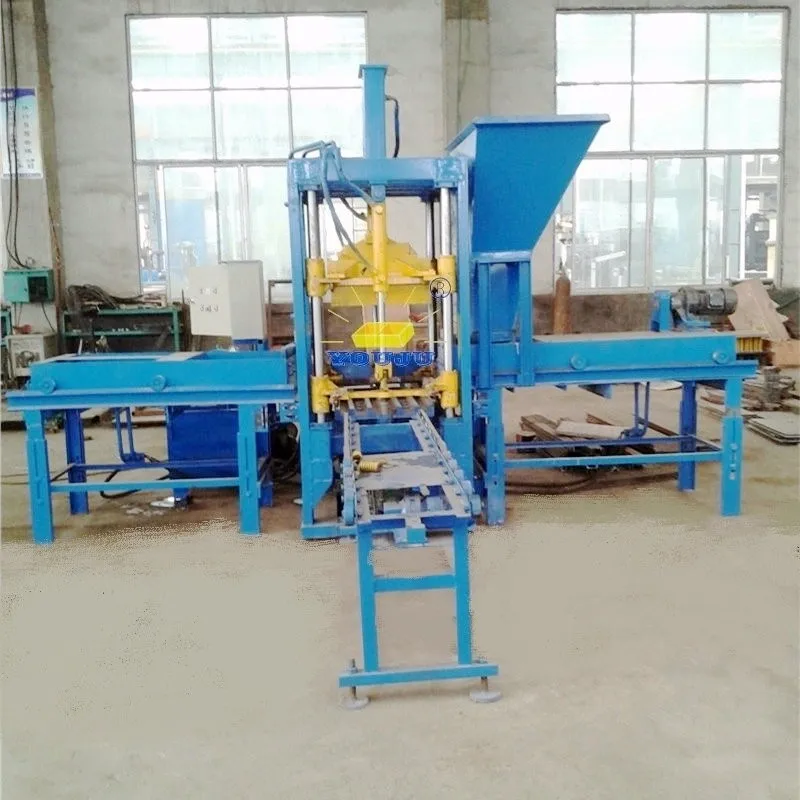
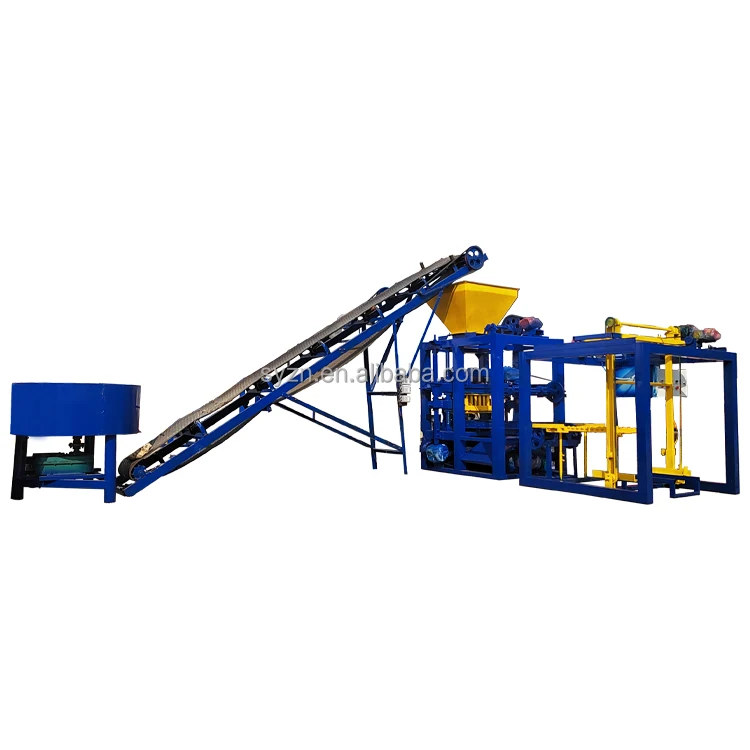 Stationary block machine