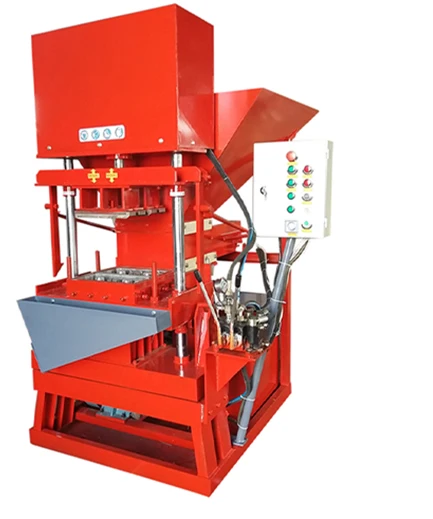
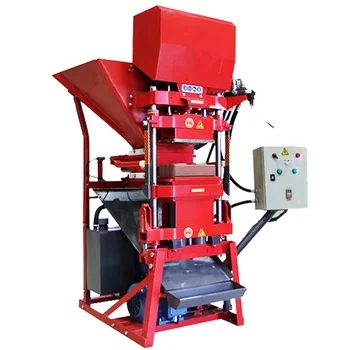
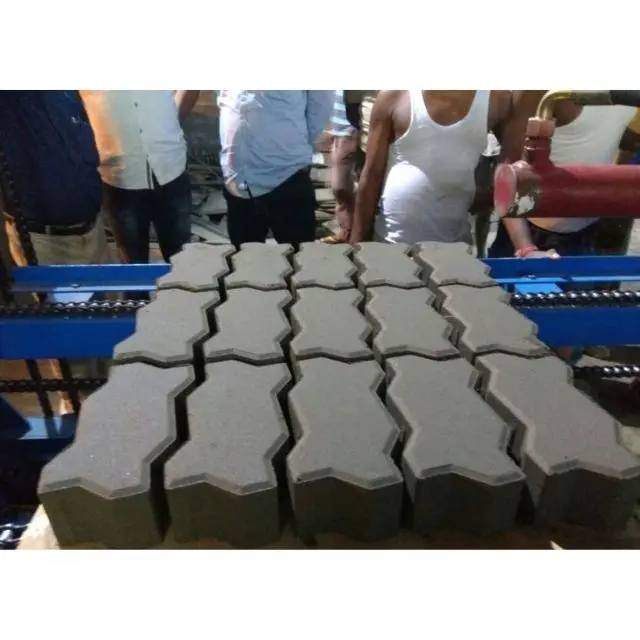
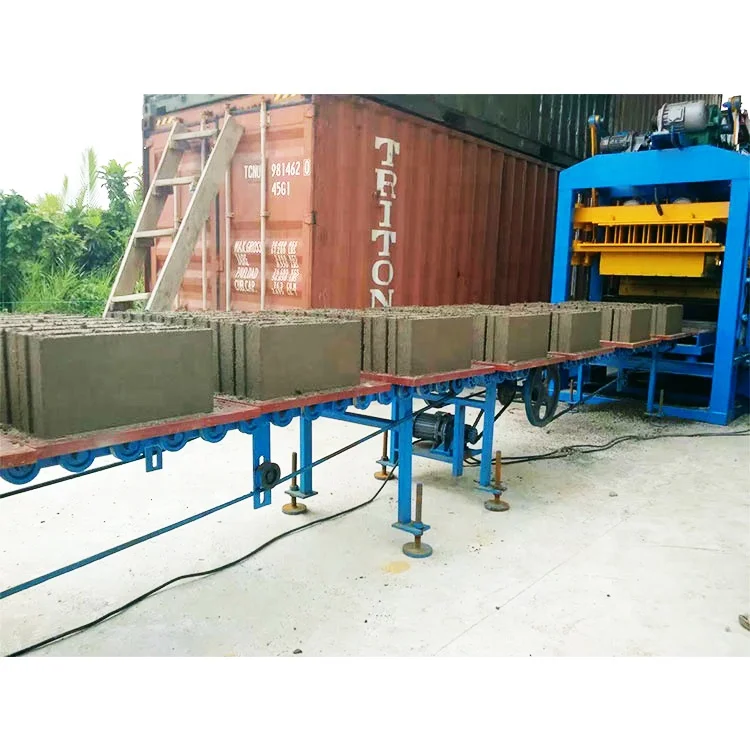
Matched System Approach — QT4-18 specified as one integrated solution with mixer, pallet conveyor, and stacking rather than assembled from separate suppliers.
Technical Specifications
| Parameter |
Value |
| Model |
QT4-18 |
| Product Type |
Automatic Concrete Block Making Machine |
| Overall Dimensions (L×W×H) |
2500×1750×2200mm |
| Rated Pressure |
16MPa |
| Vibration Form |
Platform Vibration |
| Pallet Size |
950×550mm |
| Molding Cycle |
18-25s |
| Overall Power |
27.5kW |
| Control System |
PLC with frequency converter |
| Electrical Components |
Schneider brand |
| Mold Lifting Mechanism |
Double-sided sync gears |
| Material Feeding System |
Distribution belt hopper |
| Support Equipment Included |
JQ500 concrete mixer, 8m belt conveyor (6m optional), stacker, block gripper, trolley, concrete batching plant |
| Mould Format |
Hollow block (free included), additional moulds customizable |
| Automation Level |
Automatic (single-operator capable via PLC) |
| Assembly State |
Complete line with mixer, pallet conveyor, molding machine, block conveyor, hydraulic station |
Application Suitability
| Application |
Material or Output |
| Concrete hollow block production |
Cement, sand, crushed stone aggregate |
| Solid block manufacturing |
Fly ash, gravel, cement blends |
| Paving block production |
High-density concrete mixes with fine aggregate |
| On-site contractor production |
Locally sourced aggregate and cement |
| Block plant operations |
Standard and custom mould formats on 950×550mm pallets |
| Building material distribution |
Multiple format output from a single automatic block machine manufacturer line |
What "Cycle Time" Really Means for Your Daily Output
Molding cycle figures only matter when tied to the specific block format being produced.
When an automatic block machine manufacturer quotes 18-25 seconds per cycle, that range shifts depending on whether you are pressing hollow blocks, solid blocks, or pavers. A buyer I worked with in North Africa assumed the fastest cycle applied to their primary hollow block format, only to discover their local aggregate required longer vibration to achieve adequate compaction. The actual daily output fell noticeably short of projections because the capacity calculation had never specified which format the number assumed [NEED_CITE: capacity calculation methodology by block format]. Before comparing machines, confirm the cycle time for your exact target format and mix design.

Mapping the Full Range Against Your Investment Tier
The QT4-18 sits in the mid-tier of our automatic block machine manufacturer lineup, positioned between small workshop units and high-capacity continuous lines. Its 27.5kW overall power draw and 2500×1750×2200mm footprint suit operations that have moved past manual production but are not yet ready for fully continuous stacking and cubing systems. The included JQ500 mixer and 8m belt conveyor mean the line arrives as a matched set, eliminating the guesswork of sourcing ancillary equipment separately.
Where Each Tier Fits in the Plant Layout
Plant footprint planning requires knowing not just the press dimensions but the full material flow path from batching through curing. This model’s 950×550mm pallet size determines your curing rack spacing and forklift requirements downstream. Buyers evaluating their first automatic block machine manufacturer investment should map the pallet conveyor exit point to their existing curing area before finalizing the order [NEED_CITE: pallet handling and curing area planning for block plants]. A mismatch here creates bottlenecks that no press cycle time can overcome.
Reading the Specs That Actually Shape Production
The 16MPa rated pressure combined with platform vibration determines the density and strength of your finished blocks. Higher hydraulic pressure forces aggregate particles into tighter contact, while vibration frequency settles the mix into the mould cavity — both must match your specific aggregate gradation and cement ratio. The double-sided sync gear mold lifting mechanism keeps the mould box level during extraction, reducing corner damage on hollow blocks. Schneider electrical components paired with the PLC frequency converter allow one operator to manage the full cycle from the control panel, adjusting vibration duration per format without manual intervention at the press.
The Cost of Ignoring Mix-to-Machine Matching
When vibration force and hydraulic pressure are not calibrated to local aggregate characteristics, blocks emerge with inconsistent density. I have seen production runs where the outer shell looked acceptable but internal compaction failed, leading to breakage during pallet handling and transport. The buyer then blames the machine when the real issue was a configuration set against a catalogue default rather than their actual material. Correcting this after installation means re-engineering the mix or adjusting hydraulic settings — both of which cost production time [NEED_CITE: block strength testing standards for concrete masonry units].
Why Source This Line as a Complete Package
Our approach specifies machine, mould, pallet, and handling equipment as one matched system. The QT4-18 ships with a hollow block mould included and additional formats customizable to your market requirements. Configuration is set against your actual mix design and local aggregate rather than generic defaults. The automation level allows single-operator control through the PLC while remaining upgradable as your volume grows. Mould design and supply covers the formats your market actually sells, including custom drawings from buyer specifications.
Documentation & Verification
- Line layout drawing with capacity calculation stated per block format for QT4-18
- Machine specification sheet confirming 16MPa pressure and vibration force matched to your aggregate
- Factory test record demonstrating actual 18-25s cycle time on your target format
- Voltage and PLC display language confirmation before dispatch
- Mould drawing and format list for all included and custom moulds
Installation, Commissioning & Support
- Foundation plan accounting for 2500×1750mm footprint and 27.5kW power draw
- Three-phase voltage verification matching local supply to Schneider electrical components
- Complete line reassembly from mixer through stacker with pallet conveyor alignment
- PLC parameter setup for your specific block formats and molding cycle targets
- Operator training covering double-sided sync gear maintenance and mould change procedure
- Wear parts list for hydraulic components and distribution belt hopper consumables
Before You Request a Quote
To size this line accurately, we need your target block format with dimensions, the daily output you are planning, and a sample description of your local aggregate and cement supply. Share your site voltage and frequency along with the preferred PLC display language. If you have existing curing racks or forklifts, their specifications help us confirm pallet compatibility before production begins.
Frequently Asked Questions
Q: How do I verify that the quoted cycle time applies to my block format?
A: Request a capacity calculation that names the specific block format used for each figure. The QT4-18 molds between 18-25 seconds depending on format complexity and mix characteristics. A genuine automatic block machine manufacturer will provide test records showing actual cycle times run against your target product dimensions and local material composition.
Q: Which automation tier fits a first-time block plant investment?
A: The QT4-18 offers automatic PLC control with single-operator capability while keeping the investment below high-capacity continuous lines. This tier suits entrepreneurs establishing their first plant who need consistent output without the complexity of fully automated stacking and cubing. You can add automation stages as production volume justifies the upgrade.
Q: What plant footprint does this machine tier require?
A: The press itself occupies 2500×1750mm, but the complete line including the JQ500 mixer, belt conveyor, and stacking area requires a longer production bay. Factor in pallet return path and curing rack access for forklift traffic. Request the line layout drawing to map the full flow before preparing your foundation.
Q: How are voltage and control language handled for different export markets?
A: Electrical configuration is confirmed before production begins. The Schneider components and PLC frequency converter are set to your local voltage and frequency. Display language on the control panel is matched to your operator team. This confirmation step prevents commissioning delays after the line arrives at your facility.
Q: How do I match vibration and pressure settings to my local aggregate?
A: Provide a sample description of your aggregate type, gradation, and any clay or silt content. The 16MPa hydraulic pressure and platform vibration are then calibrated to achieve proper compaction with your specific mix. This matching process prevents the weak blocks and inconsistent density that occur when machines run on catalogue default settings.

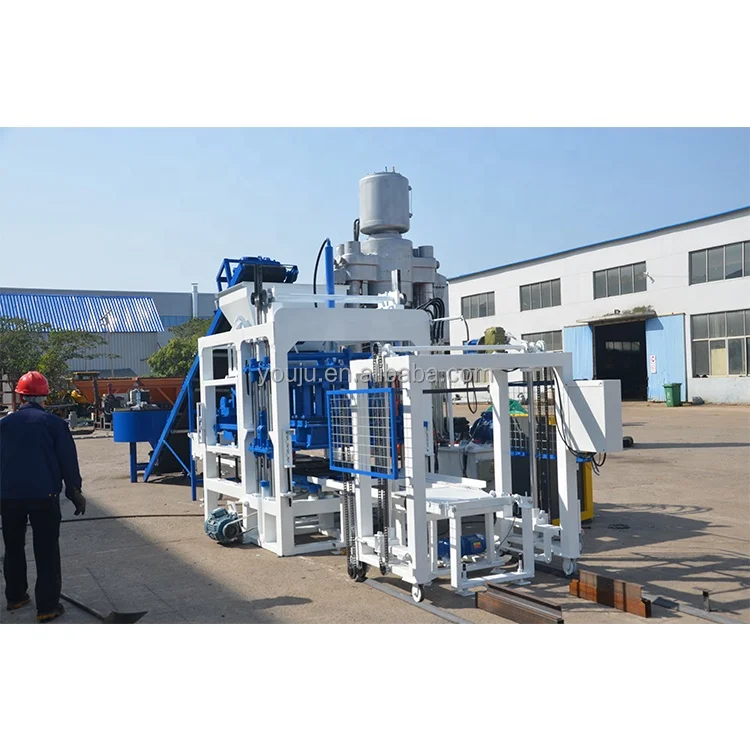
 Automatic block machine