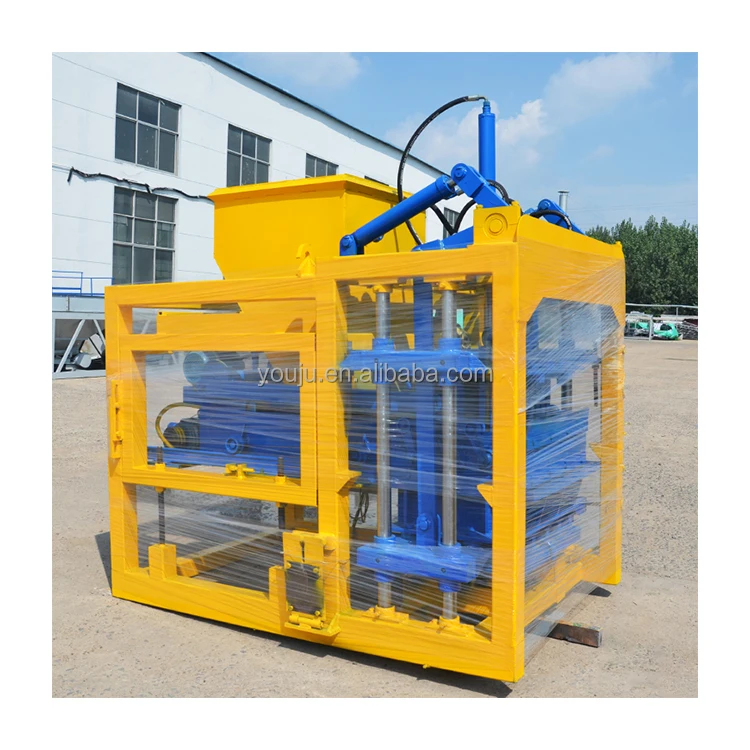
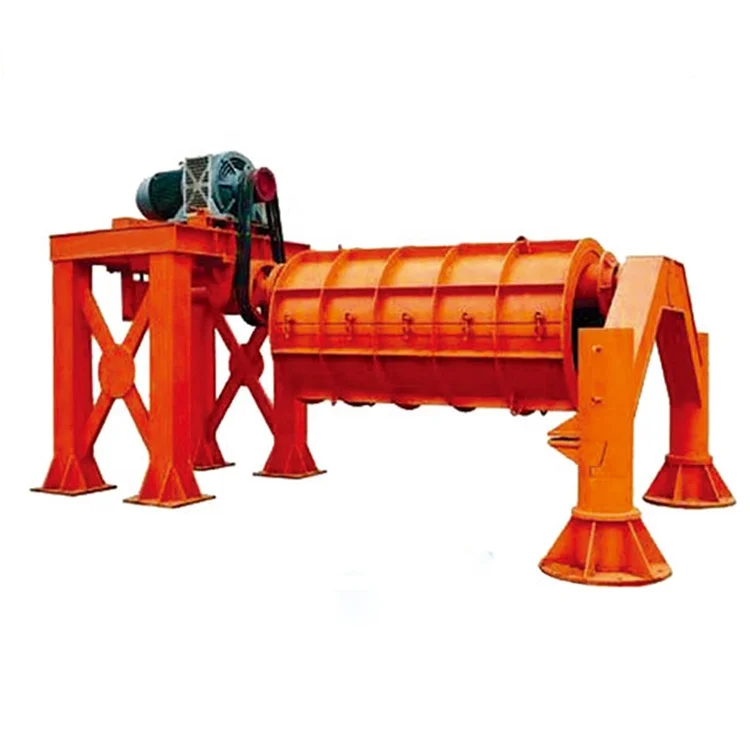
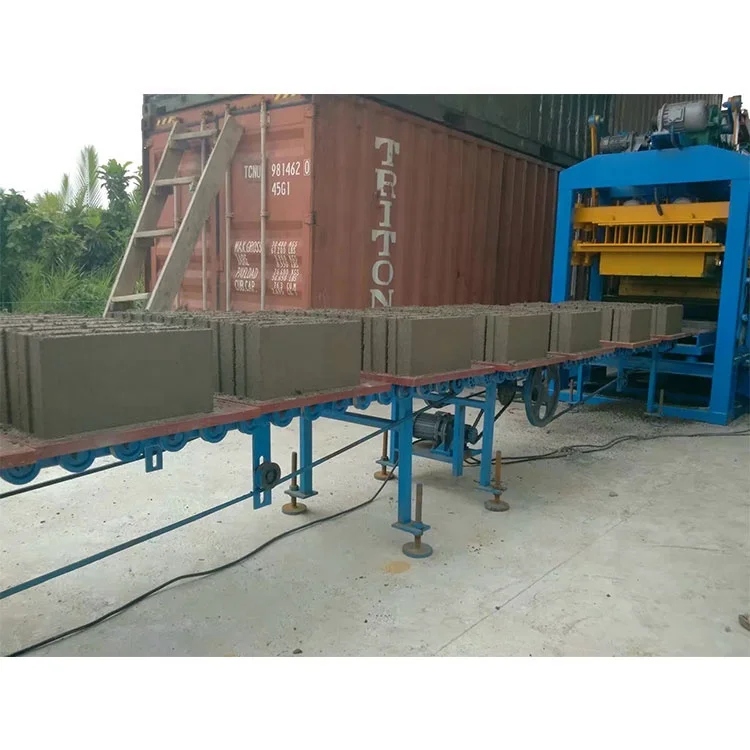
Specified per block format — capacity figures here are tied to exact block dimensions and cycle times, not quoted as a single peak number.
Technical Specifications
| Parameter |
Value |
| Model |
QT8-15 |
| Product Type |
Automatic Concrete Block Making Machine |
| Hydraulic Pressure System |
Advanced hydraulic pressure technology (source value — verify against manufacturer catalog) |
| Vibration System |
Latest vibration system (source value — verify against manufacturer catalog) |
| Mould Format Compatibility |
Hollow block, solid brick, paver brick, kerbstone |
| Mould Treatment |
Heat treatment for extended working life |
| Cycle Time |
15–20 s (basis not stated in source — confirm block format, material and thickness) |
| Output Capacity (400×200×200 mm hollow block) |
8 pcs/mould; 1,600–1,900 pcs/h; 12,800–15,000 pcs/8 hr |
| Output Capacity (240×115×53 mm solid brick) |
45 pcs/mould; 8,000–10,000 pcs/h; 64,000–80,000 pcs/8 hr |
| Output Capacity (200×160×60 mm paver) |
15 pcs/mould; 3,000–3,600 pcs/h; 24,000–28,800 pcs/8 hr |
| Output Capacity (225×112.5×60 mm interlocking) |
24 pcs/mould; 4,000–5,000 pcs/h; 32,000–40,000 pcs/8 hr |
| Automation Level |
Automatic (source value — verify against manufacturer catalog) |
| Key Features |
Multi-format mould change, heat-treated tooling, hydraulic-vibration combined forming, pallet-based curing system |
| Warranty |
1 year |
Application Suitability
| Application |
Material or Output |
| Hollow block production |
Crushed stone, river sand, cement and fly ash blends for 400×200×200 mm structural blocks |
| Solid brick production |
Fine aggregate and cement mixes for 240×115×53 mm load-bearing bricks |
| Paving block production |
High-strength concrete mixes for 200×160×60 mm interlocking or rectangular pavers |
| Kerbstone production |
Coarse aggregate concrete for roadside kerbs and drainage channels |
| Interlocking brick production |
Graded aggregate blends for 225×112.5×60 mm soil-stabilised or concrete interlocking units |
What Capacity Figures Leave Out on a QT8-15 Automatic Block Machine
Output only means something when the block format is named beside it.
I have watched buyers sign off on an automatic block machine manufacturer’s quotation showing a headline number, then find on arrival that the daily tonnage applies only to the lightest paver mould. When the plant switches to hollow blocks, cycle times stretch and actual throughput drops. The QT8-15 is quoted here at 1,600–1,900 pcs/h specifically for a 400×200×200 mm hollow block — the figure changes the moment you fit a different mould. [NEED_CITE: block machine output comparison across standard formats]

Where the QT8-15 Sits in the Full Machine Range
The QT8-15 occupies the high-capacity tier of our automatic range. Below it sit semi-automatic models that still require manual pallet handling and smaller mobile units designed for on-site laying without a fixed plant. Above it, larger automatic lines add fully integrated batching, stacking and cubing stations. Buyers choosing this automatic block machine manufacturer typically have an existing curing yard and forklift fleet, and are deciding whether the step up to full automation justifies the footprint.
How Format Flexibility Shapes the Investment Decision
A single QT8-15 platform accepts moulds for hollow blocks, solid bricks, pavers and kerbstones, so a concrete product manufacturer can add formats without buying a second press. The real question is whether the local market actually buys enough variety to justify stocking multiple moulds. I have seen plants order four mould sets and then run the same hollow block for six months straight because the paver market in their district was already saturated. [NEED_CITE: mould change frequency in small to mid-size block plants]
Reading the Specs That Matter on the Production Floor
Cycle time of 15–20 seconds is the number that governs everything downstream. If your curing racks hold 500 pallets and the press cycles faster than the rack handler can clear them, pallets pile up on the floor and blocks cure unevenly. The mould heat treatment extends working life, but only when the abrasive content of your local aggregate matches the treatment grade — river sand with high clay content wears tooling differently from crushed granite. Hydraulic pressure and vibration force must be balanced together: too much vibration on a dry mix shatters the block edges, too little leaves voids that fail compressive strength tests. Mould compatibility across hollow, solid, paver and kerbstone formats means the pallet size must suit the largest format you plan to run, because undersized pallets restrict every mould to the smallest common dimension.
The Hidden Cost of Skipping the Mix Design Conversation
I once helped a buyer in the Pearl River Delta who ordered an automatic block machine based on a sample block shipped from the factory. He never mentioned his sand source was dredged river material with heavy silt content. On arrival, the blocks cracked during curing, the moulds wore through their heat-treated surface in weeks, and daily output settled at roughly half the quoted figure. The press was not at fault — the configuration assumed a clean crushed-stone aggregate that his yard did not stock. [NEED_CITE: aggregate abrasion and silt content effects on block mould life]
Why Buyers Source This Automatic Block Machine Manufacturer
Block machinery is our single focus, which means the press, mould, pallet and handling equipment are specified as one matched system rather than assembled from separate suppliers. Every configuration starts with the buyer’s actual mix design and target block format, not a catalogue default. Mould design covers the formats the local market sells, with custom drawings when standard sizes do not match regional building codes. Automation level is selectable, so a plant can begin semi-automatic and add stacking or cubing stations later. Installation support includes operator training on the specific mould set delivered with the line.
Documentation & Verification
- Line layout and capacity calculation stating the block format assumed for each output figure on the QT8-15
- Machine specification sheet with voltage, frequency and PLC display language confirmed before production begins
- Mould drawing and format list covering every block type the buyer’s local market requires
- Factory test record demonstrating cycle time and output per format before the line leaves the workshop
- Operation and maintenance manual written for the control language selected at order stage
Installation, Commissioning & Support
- Foundation pad must be level and rated for the QT8-15 vibration load, with anchor bolt positions confirmed from the layout drawing before concrete is poured
- Voltage and frequency verified against the plant’s local supply before the control panel is energised for the first time
- Mould change procedure demonstrated on-site so operators can switch from hollow block to paver within a single shift
- Hydraulic pressure and vibration force adjusted to the buyer’s confirmed mix design during the commissioning run
- Spare mould wear plates and hydraulic seals supplied with the first shipment to cover the initial operating period
- Operator training covers daily pallet inspection, hydraulic oil level checks and vibration motor bearing greasing intervals
Before You Send the Inquiry
Share the exact block dimensions your market sells, the aggregate sources available within hauling distance of your plant, and the curing yard area you can allocate. Include your local voltage and frequency so the QT8-15 control panel and motors are wound correctly before the line enters production. If you already run pallets from a previous block machine, tell us the pallet dimensions and material so the new line can accept them without forcing a full pallet replacement.
Frequently Asked Questions
Q: How is output capacity verified, and which block format does each figure assume?
A: Every capacity number on this page is tied to a specific block size. The 1,600–1,900 pcs/h figure applies to a 400×200×200 mm hollow block at the stated cycle time. Switching to a solid brick or paver mould changes both the pieces-per-mould count and the cycle duration, so the hourly figure shifts accordingly. We provide a written capacity calculation per format before order confirmation.
Q: Where does the QT8-15 sit in the full machine range?
A: It occupies the high-capacity automatic tier, above semi-automatic and mobile models. Semi-automatic units require manual pallet transfer and suit smaller yards, while mobile egg-laying machines produce blocks directly on the ground without pallets. The QT8-15 is for buyers who need consistent high-volume output and plan to run multiple block formats through mould changes.
Q: What voltage, frequency and control language options are available?
A: Motors and the control panel are configured to the buyer’s local electrical standard before production. Display language on the PLC interface is confirmed at the order stage so operators can read alarms and cycle data in their working language. This prevents commissioning delays that occur when a panel arrives with labels in an unfamiliar script.
Q: What is the plant footprint compared to smaller-tier models?
A: The QT8-15 requires a larger press pit and longer curing rack aisles than semi-automatic or mobile units because of its higher pallet throughput. Buyers should measure available yard space, overhead clearance for the stacker if fitted, and forklift turning radius before finalising the line layout. We supply a dimensioned drawing showing the full station sequence for site planning.

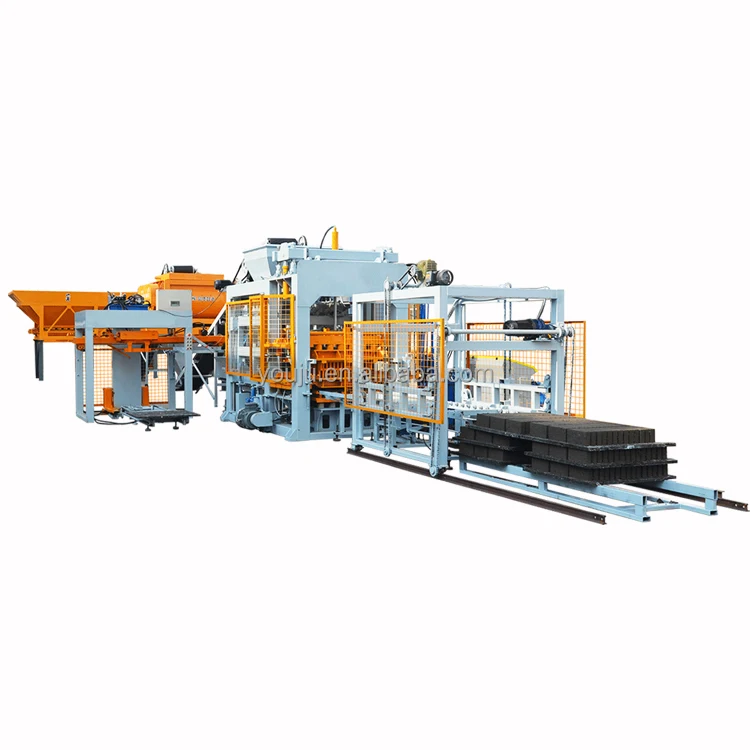
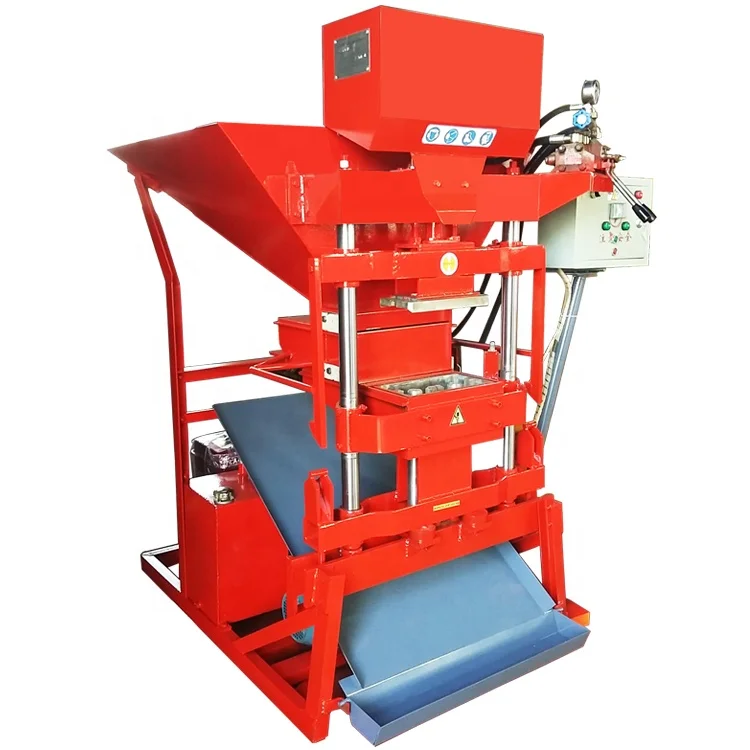 Automatic block machine