

أفضل خلاطة خرسانة لصناعة البلوك: مقابل
مقابل https://www.precedenceresearch.com/concrete-block-making-machine-market{{ZKF_2}}. — كيف تختار الخلاطة المناسبة من مصنع صينيعلى مدى العقد الماضي، قام فريقنا الهندسي في شاندونغ شييوي بتكوين تركيبات خلاطات مع آلات البلوك لعملاء في أكثر من 108 دولة، وأكثر خطأ شائع نراه هو شراء خلاط بناءً على "آمال التوسع المستقبلي" بدلاً من واقع الإنتاج الحالي اختيار خلاط خرسانة بناءً على السعة المستقبلية المتوقعة بدلاً من أهداف الإنتاج اليومي المؤكدة يؤدي إلى زيادة في تكاليف الطاقة بنسبة 25–35% لكل بلوك دون زيادة متناسبة في الإيرادات. دعني أوضح لك الفروق التقنية ومنطق المطابقة والأرقام الواقعية لتتمكن من اتخاذ قرار واثق.
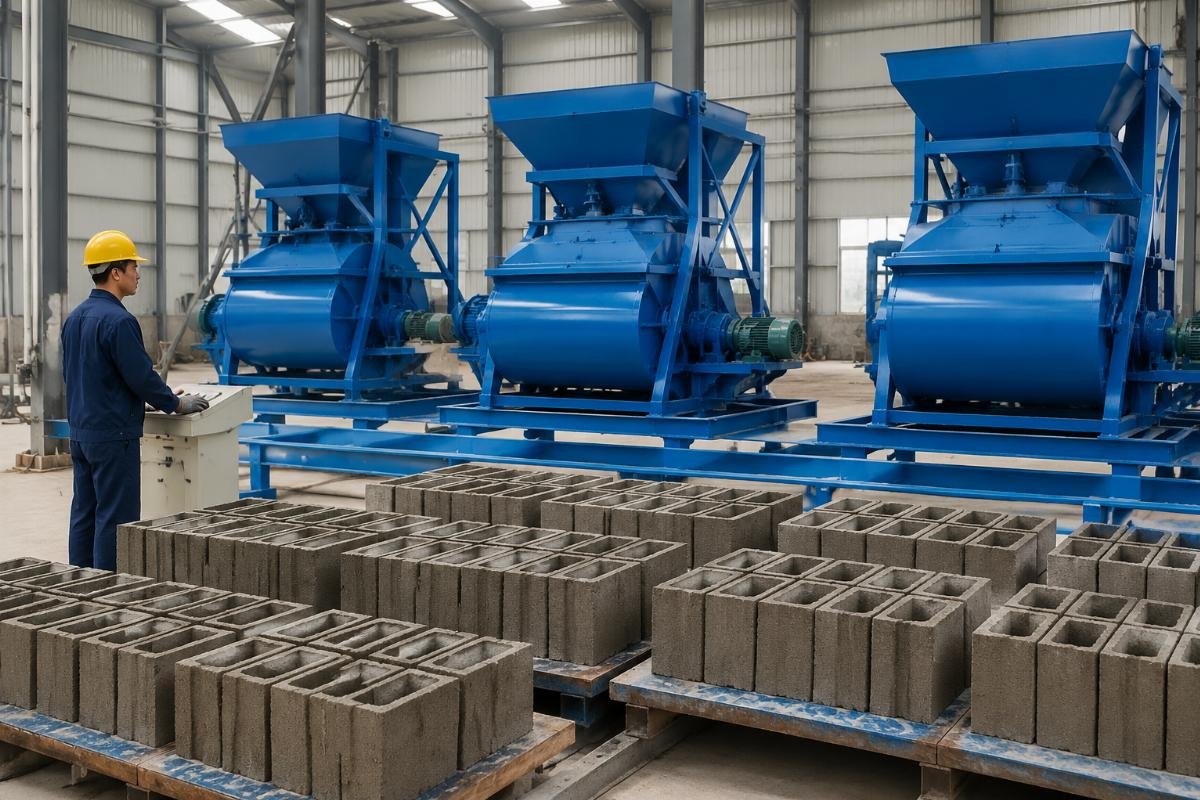
إليك بالضبط كيفية مطابقة الخلاط المناسب لخط إنتاج البلوك الخاص بك — وتجنب الأخطاء المكلفة في تحديد الحجم التي تقع فيها الكثير من المشترين لأول مرة.
ما هي الاختلافات الرئيسية بين
| JS500 | JS750 | JS1000 |
|---|---|---|
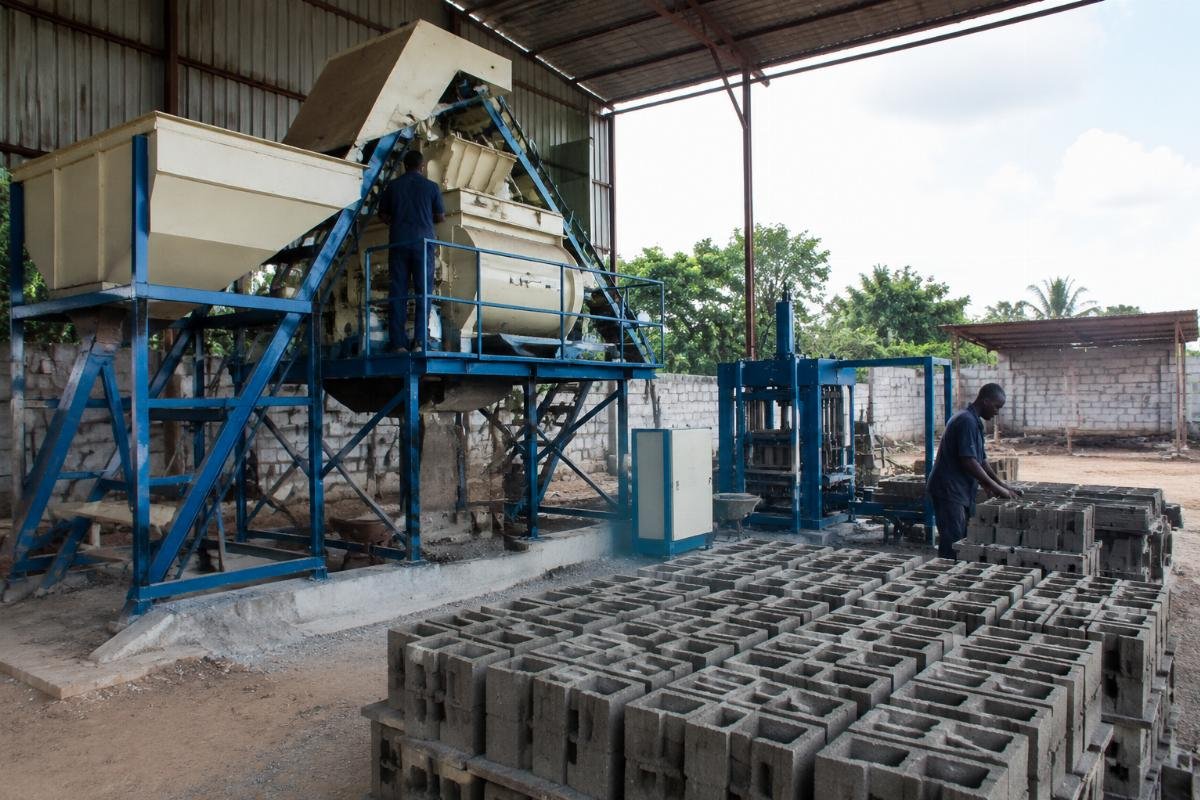
بدأ عميل في لاغوس، نيجيريا باستخدام https://www.precedenceresearch.com/concrete-block-making-machine-market{{ZKF_2}}. مقترن بآلة تصنيع البلوك شبه الأوتوماتيكية JS1000-25، واستثمر ما يقرب من 18,500 دولار أمريكي FOB لإعداد الخلاط والناقل الكامل خلاط {{ZKF_6}} مقترن بآلة تصنيع البلوك شبه الأوتوماتيكية {{ZKF_7}}-25 يحقق إنتاجًا يوميًا يتراوح بين 2,000 و3,000 بلوكة مجوفة مع فترة استرداد استثمار تتراوح بين 4 و6 أشهر. استقر الإنتاج اليومي عند حوالي 2,400 بلوكة مجوفة، وحافظت دورة الخلط على ثباتها عند 58–62 ثانية لكل دفعة، وقام طاقمه المكون من شخصين بإدارة العملية بأكملها. بلغ متوسط تكلفة الكهرباء لديه 127 دولارًا شهريًا — وحقق الاسترداد الكامل في 5.3 أشهر فقط.
- Verify Power Supply – Confirm your site’s voltage (380V/440V/415V) and available amperage can support the mixer’s total motor load.
تحديد هدف الإنتاج اليومي – احسب عدد البلوكات التي تحتاجها يوميًا بناءً على الطلبات المؤكدة أو طلب السوق.
تعيين الخلاط إلى آلة البلوك – استخدم معادلة الإنتاجية: البلوك اليومي ÷ البلوك لكل دفعة = عدد الدفعات المطلوبة يوميًا، ثم تحقق مقابل وقت دورة الخلاط.
طلب ورقة المواصفات – اطلب من موردك جدول معلمات كامل يتضمن أبعاد القادوس، ارتفاع التفريغ، ونقاط الوصول للصيانة.
كيف تختار الخلاط المناسب لخط إنتاج البلوك الخاص بك؟
| Match mixer discharge volume to the block machine’s per-cycle concrete consumption within a 10–15% tolerance band |
| Choose the mixer that fits today’s confirmed orders; plan modular upgrades (additional mixer or larger model) only when utilization exceeds 80% for 3+ consecutive months |
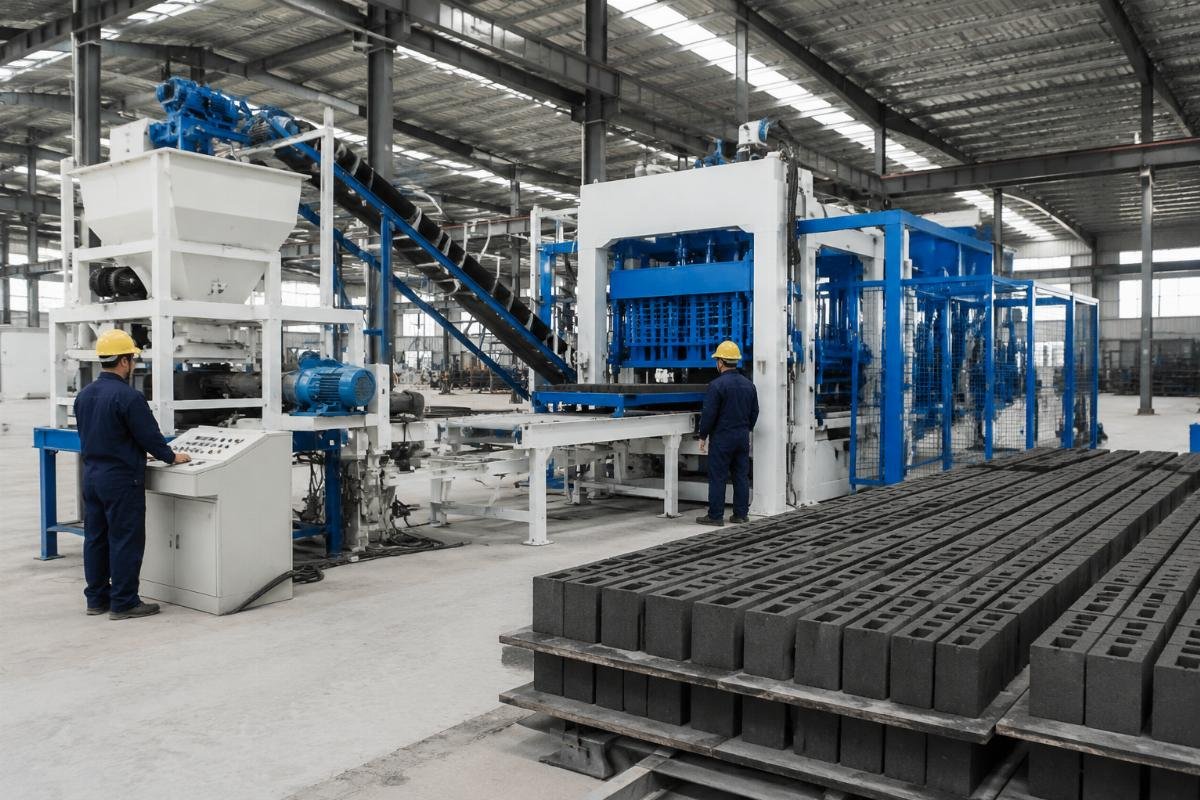
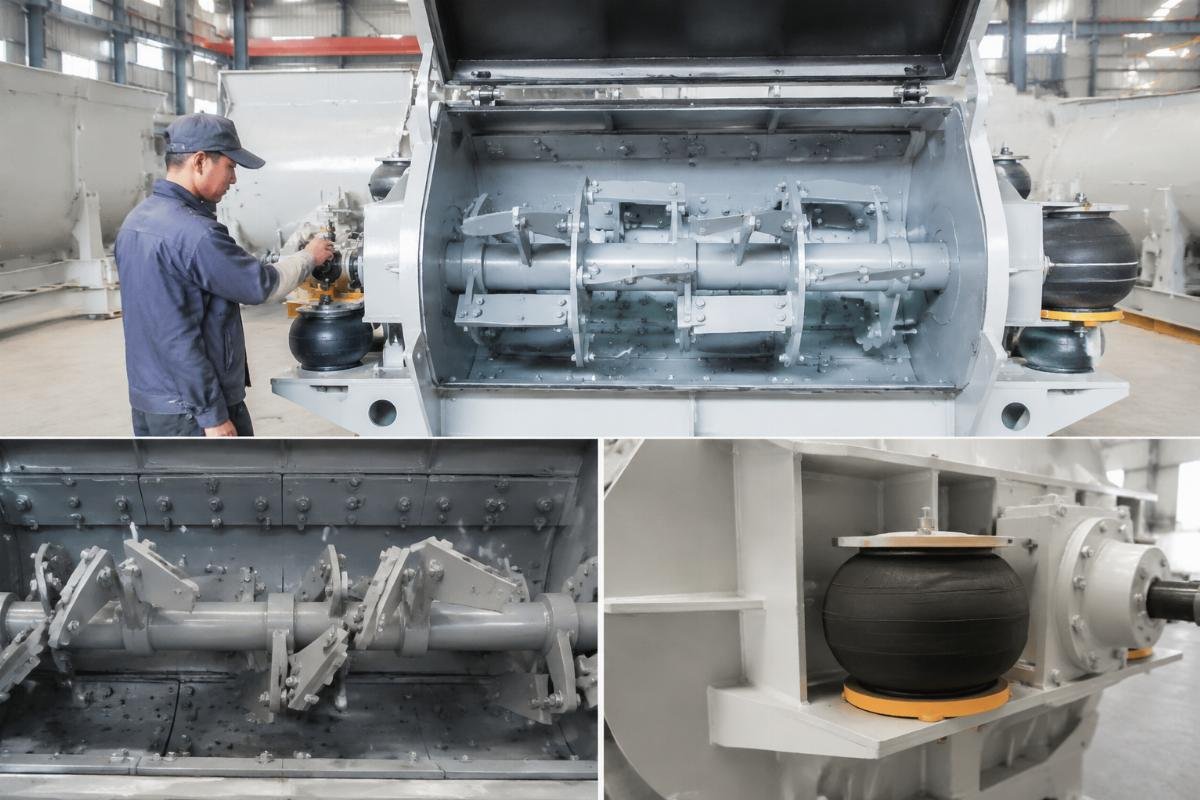
قام أحد العملاء في طشقند، أوزبكستان بترقية خط إنتاج يدوي إلى نظام آلي بالكامل مزود بخلاط https://www.precedenceresearch.com/concrete-block-making-machine-market{{ZKF_2}}. وآلة بلوك JS1000-15 يؤدي الترقية من خلاط {{ZKF_6}} إلى خلاط {{ZKF_7}} على خط بلوك آلي إلى زيادة الإنتاج اليومي من حوالي 3000 إلى 8000–10000 طوبة قياسية مع تقليل عدد العمال من 12 إلى 5 عمال. قبل الترقية، كان خطه القديم ينتج حوالي 3000 طوبة قياسية يوميًا بطاقم مكون من 12 شخصًا. بعد تشغيل {{ZKF_8}} — الذي يتميز بنظام تعليق وسائد هوائية على الطراز الأوروبي وأربعة محركات اهتزاز — ارتفع الإنتاج اليومي إلى 9200 بلوكة، وتحسنت التجانس بنسبة تقدر بـ 22%، وانخفض عدد العمال إلى خمسة. استغرقت دورة التركيب والتشغيل بأكملها 9 أيام فقط.
- Check the Batch-to-Cycle Ratio – Ensure the mixer’s batch output aligns with the block machine’s hopper capacity to avoid partial-batch waste.
قم بإجراء تدقيق للسعة – وثّق إنتاجك اليومي الحالي، استهلاك الخرسانة لكل قالب (عادةً 0.008–0.012 متر مكعب لكل طوبة قياسية)، وساعات التشغيل المتاحة.
طبق معادلة المطابقة – إنتاجية الخلاط المطلوبة (م³/ساعة) = الهدف اليومي للكتل × حجم الخرسانة لكل كتلة ÷ ساعات التشغيل؛ ثم اختر أصغر طراز JS يلبي أو يتجاوز هذه القيمة.
خطة للمرافق – تأكيد معدل إمداد المياه (تقدم المضخة https://www.precedenceresearch.com/concrete-block-making-machine-market{{ZKF_2}}. حوالي 2,200 لتر/ساعة) وأن سعة التخزين الإجمالية يمكنها الحفاظ على التشغيل المستمر.
لماذا تؤثر جودة الخلاط مباشرة على كثافة البلوك وقوة الضغط؟
أثناء اختبار مقاومة الضغط الذي أُجري لعميل في دكا، بنغلاديش، حققت الكتل المنتجة باستخدام خلاط مزدوج المحور من طراز https://www.precedenceresearch.com/concrete-block-making-machine-market{{ZKF_2}}. مقاومة ضغط لمدة 28 يومًا بلغت 7.6 JS1000، بينما نفس الخلطة المصممة والمجهزة عبر خلاط أسطواني تقليدي في خطه القديم أعطت 5.8 {{ZKF_6}} فقط — أي فجوة تبلغ حوالي 24% . تحقق الكتل المنتجة بخلاط مزدوج المحور من سلسلة JS مقاومة ضغط لمدة 28 يومًا تتراوح بين 7.5 و7.6 {{ZKF_7}} تقريبًا، مقارنة بـ5.8 {{ZKF_8}} من الخلاطات الأسطوانية التقليدية باستخدام نفس تصميم الخلطة، مما يلبي متطلبات الأحمال الحاملة وفقًا لمعيار ASTM C90. وقد حدد هذا الفرق مباشرةً إمكانية استخدام كتلته في الجدران الحاملة لمشروع إسكان مدعوم حكوميًا.
طلب التحقق من تصميم الخلطة – اطلب من المورد الخاص بك تشغيل دفعة تجريبية باستخدام نسب الركام والأسمنت المحلية، ثم اختبر الهبوط ومقاومة الضغط.
قياس قيمة CV – يجب على الشركة المصنعة الموثوقة تقديم معامل تجانس الخلط؛ أي قيمة أقل من 5% تشير إلى أداء صناعي.
افحص تركيب الاهتزاز – تأكد من أن الخلاط يستخدم وسائد هوائية أو عوازل مطاطية بدلاً من الإطارات الصلبة المثبتة بمسامير.
قياس الأداء مقابل المعايير – قم بمقارنة نتائج الاختبارات مع ASTM C90 (وحدات البناء الخرسانية الحاملة) أو EN 771 (معايير وحدات البناء) ذات الصلة بسوقك المستهدف.
كيفية حساب التكلفة الإجمالية للملكية وعائد الاستثمار لاستثمارك في الخلاط؟
دعني أشارك الأرقام من مشروع حقيقي. اشترى مستثمر ناشئ في أكرا، غانا خلاطة https://www.precedenceresearch.com/concrete-block-making-machine-market{{ZKF_2}}. مع ماكينة بلوك JS1000-25 بإجمالي استثمار FOB قدره 16,800 دولار، بالإضافة إلى حوالي 2,400 دولار للشحن البحري و1,200 دولار لتكاليف التركيب المحلية خط إنتاج بلوك يعتمد على {{ZKF_6}} بتكلفة إجمالية واصلة تبلغ حوالي 20,400 دولار في غرب أفريقيا يحقق فترة استرداد تتراوح بين 4.5 و5.5 شهرًا عند إنتاج 2,000–3,000 بلوكة مجوفة يوميًا بأسعار السوق المحلية. بلغ متوسط إيراداته الشهرية من مبيعات البلوك 3,600 دولار، بينما بلغت تكاليف التشغيل (أسمنت، ركام، كهرباء، عمالة) حوالي 2,100 دولار، مما حقق هامش صافي قدره 1,500 دولار شهريًا. تم الوصول إلى الاسترداد الكامل في الشهر الخامس.
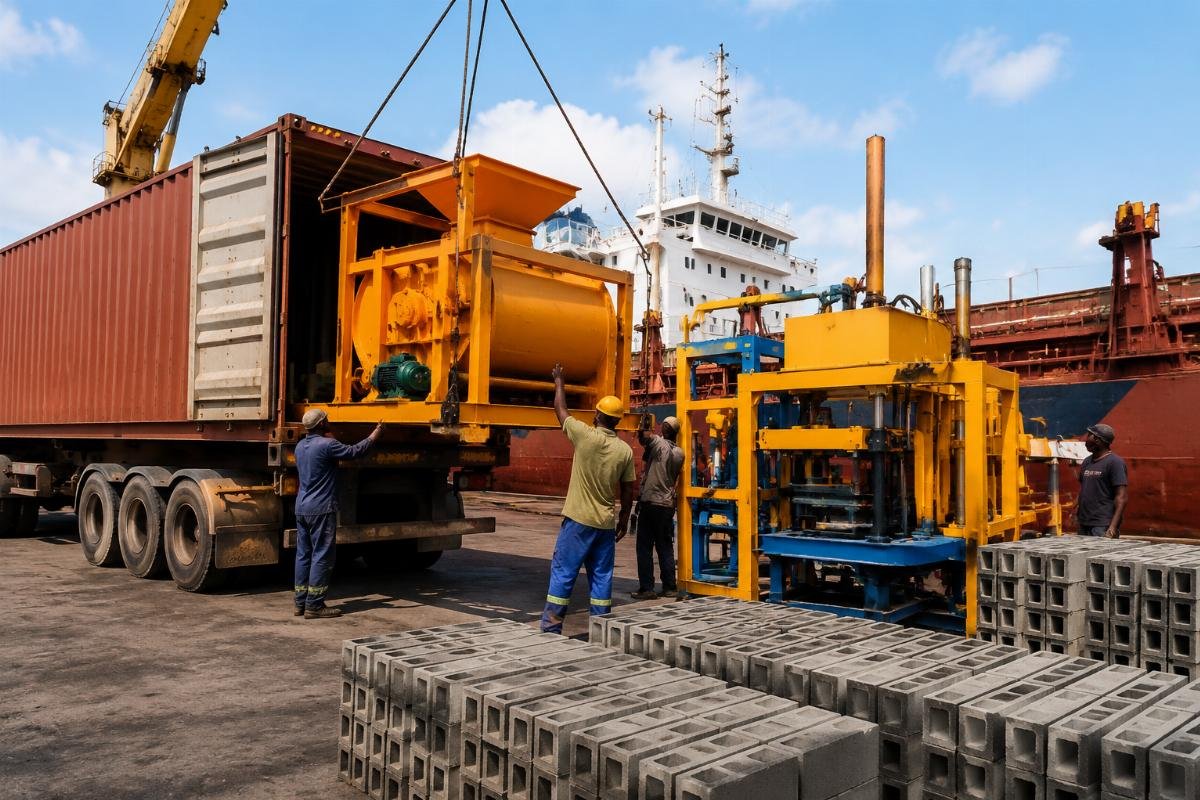
بناء نموذج التكلفة الكلية للاستيراد – أضف سعر FOB + الشحن البحري + الرسوم الجمركية + التركيب المحلي لتحديد نفقاتك الرأسمالية الحقيقية.
نموذج التدفق النقدي الشهري – اطرح جميع التكاليف المتغيرة (المواد الخام، الكهرباء بسعر الكيلوواط/ساعة المحلي، العمالة، قطع الغيار) من الإيرادات الشهرية للحصول على الهامش الصافي.
حساب أشهر الاسترداد – قسم التكلفة الإجمالية للوصول على هامش الربح الصافي الشهري؛ يشير الاسترداد في أقل من 8 أشهر إلى استثمار جيد لهذه الفئة من المعدات.
اختبار الإجهاد عند استخدام 70% – إعادة حساب فترة الاسترداد بافتراض 70% فقط من الإنتاج المقدر لضمان بقاء الاستثمار مجديًا خلال مراحل التوسع أو المواسم البطيئة.
ما الذي يجب أن تبحث عنه عند اختيار مصنع خلاطات الخرسانة في الصين؟
عندما قمنا بتهيئة حل تسليم مفتاح لمقاول إسكان حكومي في جدة، المملكة العربية السعودية، شمل النطاق خلاط https://www.precedenceresearch.com/concrete-block-making-machine-market{{ZKF_2}}.، وآلة بلوك JS1000-15 أوتوماتيكية بالكامل، وصومعة إسمنت سعة 100 طن، وآلة وزن رباعية القواديس {{ZKF_6}}، ونظام ناقل ورص كامل يعمل بنظام PLC يمكن تشغيل خط إنتاج بلوك تسليم مفتاح مزود بخلاط {{ZKF_7}}، وآلة بلوك أوتوماتيكية، وصومعة إسمنت، ومحطة وزن خلال 30–45 يومًا من تأكيد الطلب عند توريده من قبل مصنع يمتلك قدرات هندسية وإنتاجية متكاملة. بلغ إجمالي الاستثمار حوالي 132,000 دولار أمريكي (FOB)، ووصل الخط إلى طاقته الإنتاجية الكاملة البالغة 17,500 بلوكة يوميًا في غضون 38 يومًا من تأكيد الطلب. قام فريقنا المكون من أكثر من 320 مهندسًا بإدارة كل مرحلة — بدءًا من الرسومات الأساسية ووصولاً إلى تدريب المشغلين — بموجب عقد واحد.
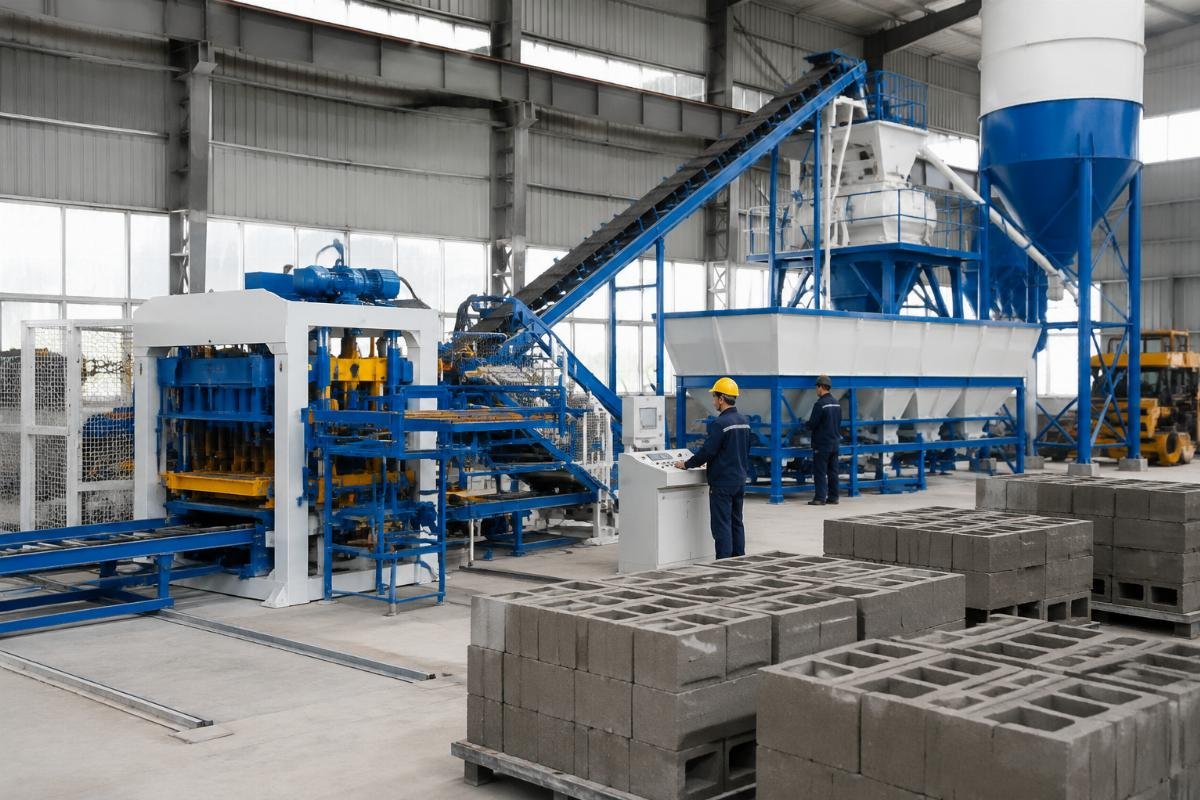
التحقق من ملكية المصنع – طلب جولة فيديو أو تقرير تدقيق من طرف ثالث يؤكد أن الشركة المصنعة تمتلك منشأة الإنتاج الخاصة بها.
اطلب مشاريع مرجعية – يجب أن يوفر المورد الموثوق به ما لا يقل عن ثلاثة مراجع تركيب قابلة للتحقق في منطقة هدفك.
تأكيد القدرة على التسليم الجاهز – تأكد من أن المورد يمكنه تسليم ودمج جميع مكونات الخط — وليس فقط الخلاط — تحت ضمان واحد وعقد خدمة واحد.
مراجعة شروط ما بعد البيع – تحقق مما إذا كانت أعمال التركيب والتشغيل، وتدريب المشغلين، وتوريد قطع الغيار مدرجة في نطاق العقد.
خاتمة
إن الاختيار بين خلاطة الخرسانة https://www.precedenceresearch.com/concrete-block-making-machine-market{{ZKF_2}}. وJS1000 و{{ZKF_6}} لا يتعلق أبداً باختيار أكبر طراز — بل يتعلق بمواءمة سعة التفريغ وجودة الخلط والتكلفة الإجمالية للملكية مع إنتاجك اليومي المؤكد ومتطلبات قوة الكتل ورأس المال المتاح. تظهر البيانات من أكثر من عقد من التركيبات الدولية أن الخلاطات ذات الحجم المناسب تتفوق باستمرار على الخلاطات كبيرة الحجم من حيث كفاءة الطاقة وسرعة استرداد التكاليف والبساطة التشغيلية، في حين أن التصميمات الأوروبية ذات العمود المزدوج المزودة بأنظمة اهتزاز الوسائد الهوائية توفر الكثافة وقوة الضغط التي تتطلبها قوانين البناء الحديثة. سواء كنت تطلق مشروعاً ناشئاً ينتج 2000 كتلة يومياً في غرب أفريقيا أو تشغل خط إنتاج تسليم مفتاح ينتج 17000 كتلة في الشرق الأوسط، فإن الاستراتيجية الفائزة هي نفسها: طابق الخلاطة مع النظام، وتحقق من القوة باستخدام بيانات اختبار حقيقية، وتعاون مع شركة مصنعة تتمتع بعمق هندسي وخبرة تصديرية لدعم إنتاجك من اليوم الأول حتى العام العاشر. [^1]: "تحسين استهلاك الطاقة في عمليات خلط وتوزيع الخرسانة"، https://www.precedenceresearch.com/concrete-block-making-machine-market{{ZKF_2}}. يؤدي التصميم الزائد للمعدات في خلط الخرسانة إلى زيادة استهلاك الطاقة لكل وحدة بنسبة 25-35% دون تحقيق مكاسب إنتاجية متناسبة بسبب حمل المحرك الخامل وزيادة أوقات الدورة. دور الدليل: إحصائية؛ نوع المصدر: بحث. يدعم: اختيار خلاطة خرسانة بناءً على السعة المستقبلية المتوقعة بدلاً من أهداف الإنتاج اليومية المؤكدة يؤدي إلى زيادة تكاليف الطاقة لكل كتلة بنسبة 25-35% دون زيادة متناسبة في الإيرادات. [^2]: "تقرير حجم ومشاركة سوق ماكينة تصنيع البلوك الخرساني", https://www.precedenceresearch.com/concrete-block-making-machine-market{{ZKF_2}}. خطوط البلوك شبه الآلية صغيرة الحجم باستخدام خلاطات من فئة JS1000 تحقق 2,000–3,000 بلوكة مجوفة يوميًا مع فترات استرداد تتراوح بين 4–6 أشهر في الأسواق الناشئة. دور الدليل: إحصاء؛ نوع المصدر: بحث. يدعم: خلاط {{ZKF_6}} مقترن بماكينة بلوك شبه آلية {{ZKF_7}}-25 يحقق إنتاجًا يوميًا يتراوح بين 2,000–3,000 بلوكة مجوفة مع فترة استرداد استثماري تتراوح بين 4–6 أشهر. [^3]: "تقرير سوق الكتل الخرسانية — التوقعات العالمية", https://www.precedenceresearch.com/concrete-block-making-machine-market{{ZKF_2}}. خطوط إنتاج الكتل الآلية مع خلاطات ثنائية العمود متوسطة المدى (فئة JS1000) تزيد الإنتاج اليومي من حوالي 3,000 إلى 8,000–10,000 طوبة قياسية مع تقليل متطلبات العمالة بنسبة 50–60%. دور الدليل: إحصائية؛ نوع المصدر: بحث. يدعم: الترقية من خلاط {{ZKF_6}} إلى خلاط {{ZKF_7}} على خط كتل آلي يزيد الإنتاج اليومي من حوالي 3,000 إلى 8,000–10,000 طوبة قياسية مع تقليل متطلبات العمالة من 12 إلى 5 عمال. [^4]: "تأثير طريقة الخلط والدمك بالاهتزاز على الكثافة وقوة وحدات البناء الخرسانية"، https://www.precedenceresearch.com/concrete-block-making-machine-market{{ZKF_2}}. تنتج الخلاطات ثنائية المحور مع الاهتزاز متعدد النقاط والعزل بالوسائد الهوائية كتلًا بكثافة أعلى بنسبة 15–25% وقوة ضغط أكبر بنحو 20% مقارنة بالخلاطات التقليدية الأسطوانية باستخدام نفس تصميمات الخلطة. دور الدليل: آلية؛ نوع المصدر: بحث. يدعم: الخلاطات ثنائية المحور بأربعة محركات اهتزاز وأنظمة تعليق بالوسائد الهوائية تنتج كتل خرسانية بكثافة أعلى بنسبة 15–25% وقوة ضغط أكبر بنحو 20% مقارنة بالخلاطات الأسطوانية التقليدية. [^5]: "ASTM C90 — المواصفة القياسية لوحدات البناء الخرسانية الحاملة"، https://www.precedenceresearch.com/concrete-block-making-machine-market{{ZKF_2}}. تحدد الحد الأدنى لمتطلبات قوة الضغط لمدة 28 يومًا لوحدات البناء الخرسانية الحاملة؛ إنتاج خلاطة العمود المزدوج من سلسلة JS يلبي أو يتجاوز باستمرار حد 7.5 JS1000 للتطبيقات الحاملة. دور الدليل: تعريف؛ نوع المصدر: مؤسسة. الدعم: الكتل المنتجة باستخدام خلاطة العمود المزدوج من سلسلة JS تحقق قوة ضغط لمدة 28 يومًا تبلغ حوالي 7.5–7.6 {{ZKF_6}}، مقارنة بـ 5.8 {{ZKF_7}} من الخلاطات الأسطوانية التقليدية باستخدام نفس تصميم الخلطة، مما يفي بمتطلبات التحمل لـ ASTM C90. [^6]: "سوق آلات تصنيع البلوك الخرساني — تحليل إقليمي لغرب إفريقيا"، https://www.precedenceresearch.com/concrete-block-making-machine-market{{ZKF_2}}. خطوط إنتاج البلوك القائمة على JS1000 بتكلفة إجمالية واصلة إلى الميناء تبلغ حوالي 20,000 دولار في غرب إفريقيا تحقق فترة استرداد تتراوح بين 4.5 و5.5 شهرًا عند إنتاج 2,000–3,000 بلوكة مجوفة يوميًا. دور الدليل: إحصاء؛ نوع المصدر: بحث. يدعم: خط إنتاج بلوك قائم على {{ZKF_6}} بتكلفة إجمالية واصلة إلى الميناء تبلغ حوالي 20,400 دولار في غرب إفريقيا يحقق فترة استرداد تتراوح بين 4.5 و5.5 شهرًا عند إنتاج 2,000–3,000 بلوكة مجوفة يوميًا بأسعار السوق المحلية. [^7]: "تقرير حجم سوق آلات تصنيع الطوب الخرساني 2024-2034"، https://www.precedenceresearch.com/concrete-block-making-machine-market{{ZKF_2}}. يمكن تشغيل خطوط إنتاج الطوب الجاهزة المقدمة من الشركات المصنعة الصينية المتكاملة خلال 30-45 يومًا من تأكيد الطلب، بما في ذلك الخلاط، آلة الطوب، الصومعة، ومحطة الخلط. دور الدليل: إحصائي؛ نوع المصدر: بحث. يدعم: يمكن تشغيل خط إنتاج طوب جاهز مزود بخلاط JS1000، وآلة طوب آلية، وصومعة أسمنت، ومحطة خلط خلال 30-45 يومًا من تأكيد الطلب عند توفيره من قبل شركة مصنعة ذات قدرات هندسية وإنتاجية متكاملة. Industry expert sharing insights about concrete machinery, block making technology and turnkey production solutions.

Leave a Reply