

ماكينة البلوك المتنقلة مقابل ماكينة البلوك الثابتة: أيهما الأنسب لعملك؟
على مدى العقد الماضي من توريد معدات تصنيع البلوك لعملاء في نيجيريا وباكستان والمملكة العربية السعودية وأوزبكستان وخارجها، شهدت مشترين يرتكبون نفس الخطأ المكلف: اختيار نوع الماكينة بناءً على سعر الفاتورة فقط بدلاً من التكلفة لكل بلوك على مدى خمس سنوات. أخبرني مستثمر ناشئ في نيجيريا أنه اختار ماكينة متنقلة لأن السعر كان أقل بنسبة 40%؛ بعد ثمانية عشر شهرًا، كانت فاتورة العمالة وحدها قد محت كل دولار من ذلك التوفير تتجاوز التكلفة الإجمالية للملكية للماكينات المتنقلة خطوط الإنتاج الثابتة عند أحجام إنتاج تزيد عن 5000 بلوك يوميًا عندما يتم تضمين أوجه القصور في العمالة والطاقة[^1]. دعني أوضح لك الاختلافات الحقيقية حتى تتمكن من مطابقة الآلة المناسبة لمرحلة عملك.
ما هي الاختلافات الرئيسية بين آلات البلوك المتنقلة والثابتة؟
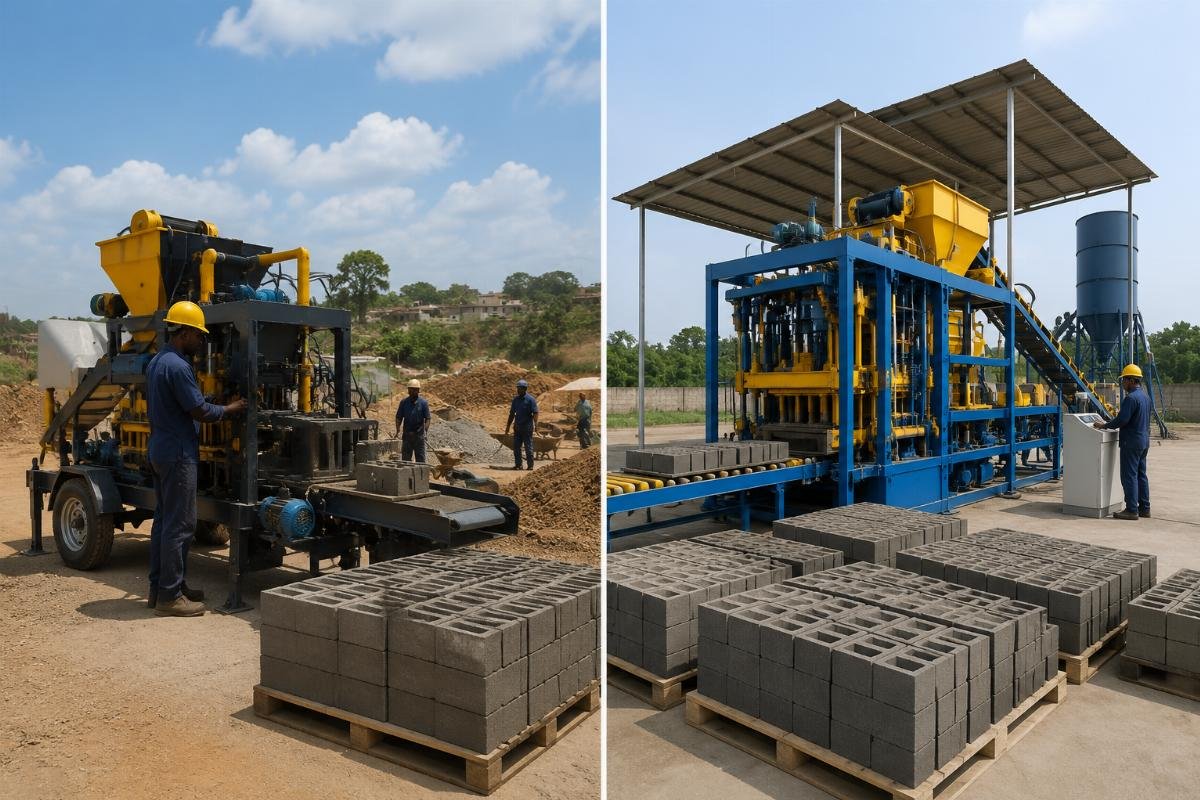
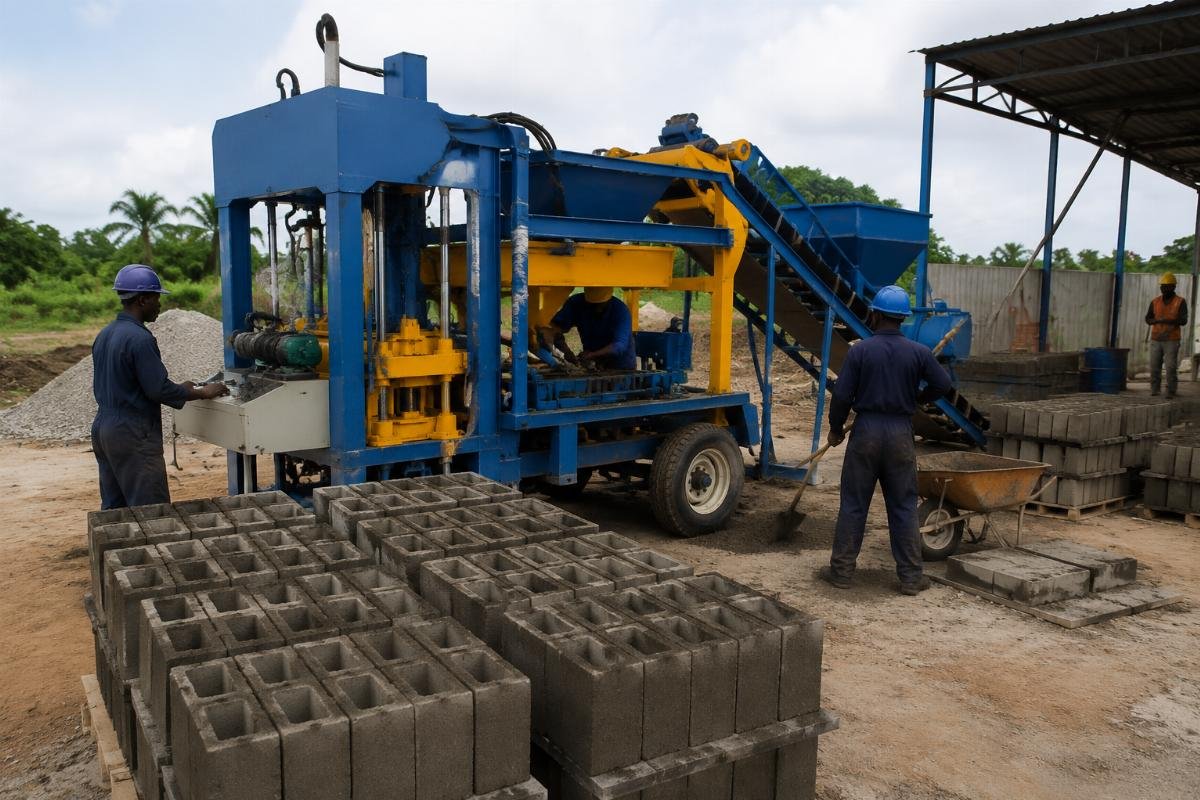
A small startup investor in Lagos, Nigeria, began with a mobile block machine producing 2,500 standard hollow blocks per day. His initial capital outlay was $18,400, and within seven months he had recovered the full investment by selling blocks at $0.42 each in a market where demand exceeded supply by an estimated 28 million housing units Nigeria’s housing deficit exceeds 28 million units, creating sustained demand for low-cost concrete blocks[^3]. The mobility allowed him to follow construction clusters across the city without committing to a single yard.
تحديد الهدف اليومي – حساب عدد الكتل التي يجب بيعها يوميًا لتغطية التكاليف التشغيلية وهامش الربح المطلوب.
خطط موقعك – قياس الأرض المتاحة، والتحقق من سعة إمداد الطاقة بالكيلوواط، وتأكيد الوصول إلى المياه ضمن 50 مترًا.
توفر قالب الاختبار – اطلب عينات القالب من المورد وأنتج كتل اختبار للتحقق من دقة الأبعاد وجودة السطح.
توقع حجم 12 شهرًا – إذا تجاوز توقعك 8,000 قطعة يوميًا خلال السنة الأولى، فابدأ في تقييم خيارات الخطوط الثابتة.
كيف تتم مقارنة الطاقة الإنتاجية والإنتاج الفعلي؟
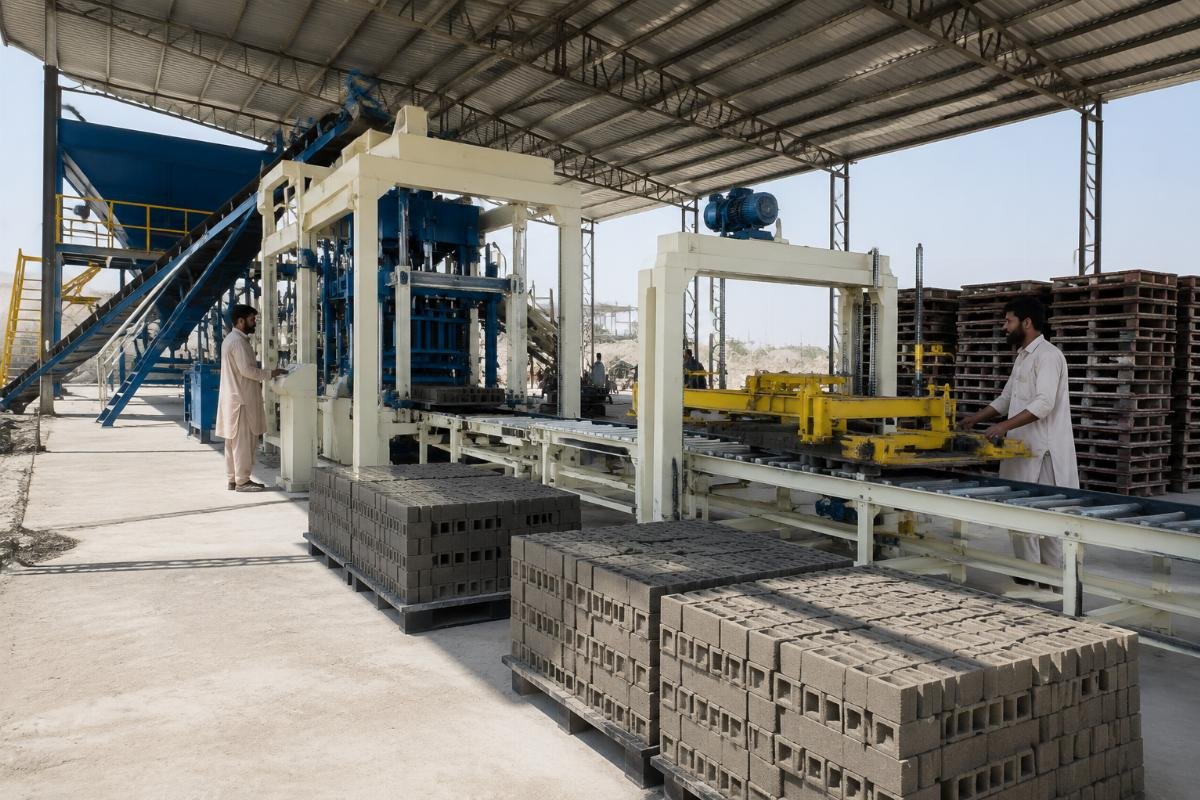
مُنتج متوسط الحجم في مقاطعة البنجاب، باكستان، انتقل من ساحة عمل يدوية بالكامل إلى خط كتل ثابت شبه آلي قادر على إنتاج 12,000 كتلة يوميًا. تضمنت الترقية مُحمّل منصات تلقائيًا ونظام خلط ثلاثي الحاويات. انخفضت تكاليف العمالة بنسبة 41٪ - من 22 عاملاً لكل وردية إلى 13 عاملاً - وكانت فترة استرداد الاستثمار في المعدات البالغ 67,500 دولارًا أمريكيًا 17.3 شهرًا تعمل خطوط الكتل الثابتة شبه الآلية على تقليل تكاليف العمالة المباشرة بنسبة 35-45٪ مقارنة بأساليب الإنتاج اليدوية[^5]. كما تحسنت تناسق كثافة الكتل، مما قلل معدل رفض العملاء من 6٪ إلى أقل من 1٪.
معدل الكفاءة – استخدم الصيغة: الإنتاج اليومي = (زمن الدورة × ساعات العمل × عدد تجاويف القالب) × 0.82 كخط أساس واقعي.
التحقق من الطلب – احصل على اتفاقيات شراء مكتوبة أو أوامر شراء حكومية قبل تحديد حجم جهازك.
نمذجة الورديات – قم بنمذجة سيناريوهات الوردية الواحدة، والورديتين، والثلاث ورديات لتحديد معدل استخدام نقطة التعادل لكل نوع من الآلات.
ما هي التكلفة الحقيقية — الاستثمار المبدئي مقابل العائد على الاستثمار طويل الأجل؟
ضع في اعتبارك مقارنة التكلفة الإجمالية لمدة خمس سنوات لعميل ينتج 10,000 كتلة يوميًا. سيناريو الآلات المتنقلة تطلب وحدتين تعملان بالتوازي، بإجمالي 42,000 دولار في المعدات، و18 عاملًا، وتكلفة 0.38 دولار لكل كتلة. سيناريو الخط الثابت تطلب خطًا واحدًا بتكلفة 89,000 دولار، و9 عمال، وتكلفة 0.29 دولار لكل كتلة. على مدى خمس سنوات و12 مليون كتلة، وفر الخط الثابت 1,080,000 دولار في تكلفة الإنتاج الإجمالية — أي أكثر من عشرة أضعاف علاوة سعره عند إنتاج 10,000 كتلة يوميًا على مدى خمس سنوات، يقلل خط الكتل الثابت من تكلفة الإنتاج الإجمالية بحوالي 0.09 دولار لكل كتلة مقارنة بالآلات المتنقلة المتوازية[^7].
النفقات الرأسمالية – تشمل المعدات، الشحن، الجمارك، الأعمال المدنية الأساسية، والمخزون الأولي من قطع الغيار.
النفقات التشغيلية – نموذج للعمالة الشهرية والأسمنت والركام والديزل أو الكهرباء والصيانة لأفق زمني كامل مدته 60 شهرًا.
توقعات الإيرادات – اضرب سعر البيع المؤكد لكل قطعة في حجم المبيعات السنوي الواقعي — وليس أقصى سعة للآلة.
حساب فترة الاسترداد – قسم إجمالي الإنفاق الرأسمالي على صافي الربح الشهري لتحديد شهر التعادل.
ما هي متطلبات الموقع والبنية التحتية؟
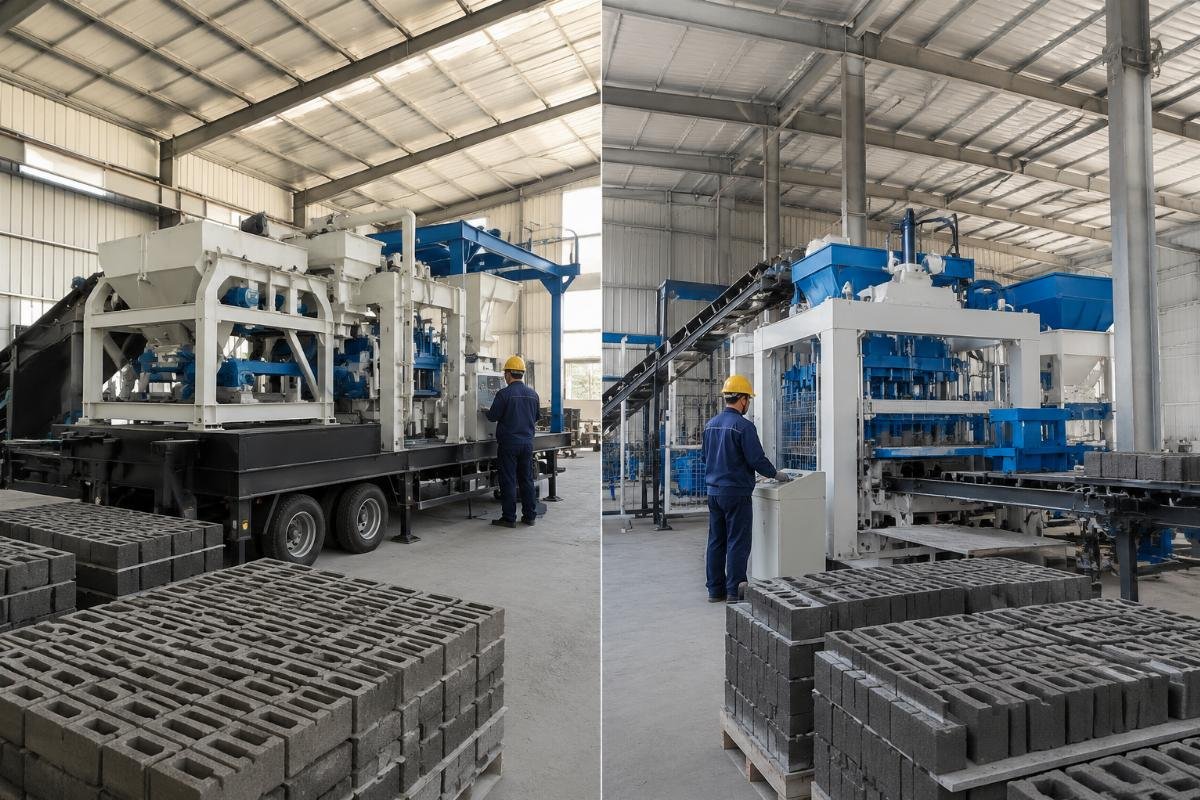
قام أحد مقاولي البنية التحتية الحكومية في المملكة العربية السعودية بنشر آلة بلوك متنقلة في موقع إنشاء طرق نائي يبعد 340 كيلومتراً عن أقرب مدينة، مع الحفاظ على خط ثابت في الساحة الرئيسية التي تبعد 80 كيلومتراً. أنتجت الوحدة المتنقلة 6,200 بلوكة يومياً لاستخدامها المباشر في هياكل تصريف جانبية على الطرق، مما ألغى 14 رحلة شاحنة يومياً. وقد وفّر الإعداد المشترك أكثر من 22,000 بلوكة يومياً عبر الموقعين، وأكمل المشروع الذي استمر 12 شهراً قبل الموعد المحدد بثلاثة أسابيع ألغى نشر هجين لآلة بلوك متنقلة وثابتة في المملكة العربية السعودية 14 رحلة شاحنة يومياً، وأكمل مشروع بنية تحتية مدته 12 شهراً قبل الموعد المحدد بثلاثة أسابيع[^9].
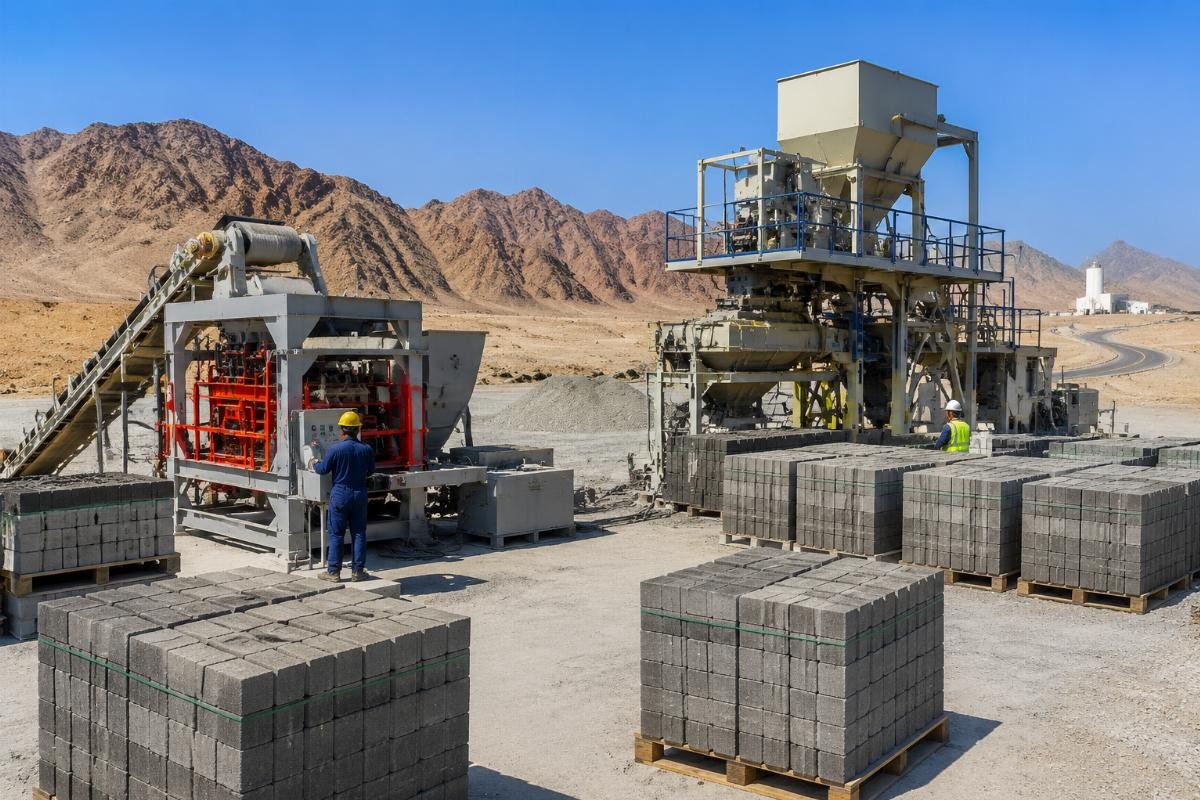
مسح الأراضي – تأكيد الحد الأدنى 500 متر مربع للإعداد المتنقل و1,500 متر مربع للخط الثابت بما في ذلك مناطق المعالجة والتخزين.
تدقيق الطاقة – الحصول على تأكيد كتابي من شركة المرافق المحلية حول السعة ثلاثية الطور المتاحة بالكيلوواط.
تصميم الأساسات – اطلب رسومات الأساسات من مورد الماكينة واجعل مهندسًا مدنيًا محليًا يتحقق من قدرة تحمل التربة قبل الصب.
المياه والصرف – ضمان توفير إمداد مياه لا يقل عن 5,000 لتر يوميًا وتخطيط قنوات الصرف لمنع فيضان منطقة المعالجة.
أي نوع من الآلات يناسب مرحلة عملك وأهدافك؟
كان مقاول كبير في أوزبكستان قد خطط في البداية لبناء مصنع مغلق بالكامل لخط كتل ثابت ينتج 15,000 قطعة يوميًا لبرنامج إسكان حكومي. بعد مراجعة الجدول الزمني للمشروع — 24 شهرًا فقط من ذروة الطلب — اختار الفريق خطًا ثابتًا تحت مظلة فولاذية ووحدة متنقلة للمواقع البعيدة. انخفض إجمالي الإنفاق على الأعمال المدنية بمقدار 34,000 دولار، وتم إعادة توزيع المعدات إلى منطقة مشروع ثانية بعد انتهاء العقد الأولي تقلل خطوط الكتل الثابتة في الفناء المفتوح مع المظلة الفولاذية من استثمار الأعمال المدنية بمقدار 30,000–40,000 دولار مقارنة ببناء المصنع المغلق بالكامل[^10].
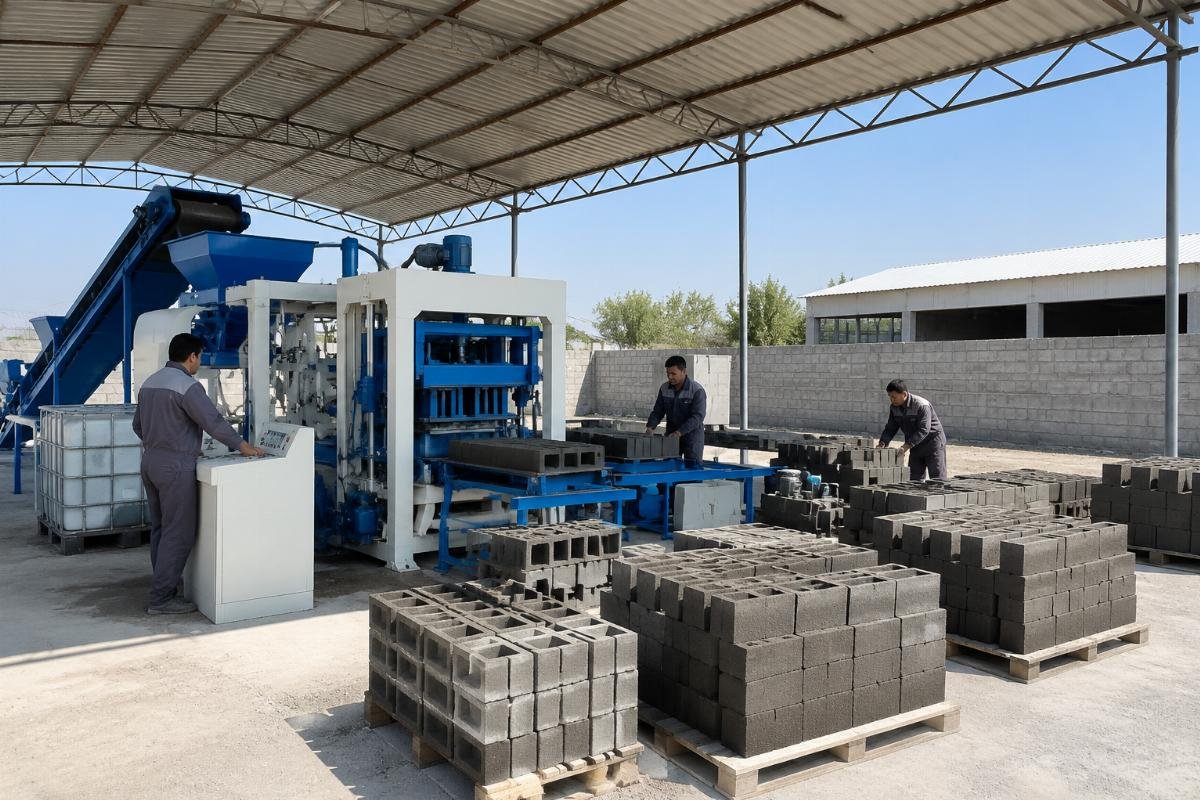
مراجعة خط الطلبات – قم بإدراج جميع الطلبات المؤكدة والمحتملة للأشهر الـ24 القادمة واحسب متوسط متطلبات الكتلة اليومية.
نموذج سيناريوهات النمو – بناء أحجام الإنتاج في أفضل الحالات، والحالات المتوقعة، وأسوأ الحالات، والتحقق من أن الآلة المختارة تظل مربحة في أسوأ الحالات.
استراتيجية الخروج – حدد مسبقًا كيف ستعيد استخدام المعدات أو إعادة بيعها أو نقلها إذا تغير الطلب.
كيفية اختيار مورد موثوق لآلات البلوك من الصين؟
شركة Shandong Shiyue Intelligent Machinery، ومقرها في ليني، مقاطعة شاندونغ، تمثل نموذجًا للموردين الجادّين الذين ينبغي على المشترين المحترفين تقييمه. يبلغ مساحة المصنع 46,000 متر مربع موزعة على ست ورش عمل متخصصة، وقد تم تصدير آلاتها إلى أكثر من 108 دول. تشمل مجموعة المنتجات حلولاً متحركة وثابتة على حدٍ سواء — بدءًا من آلات وضع البيض (egg-lay machines) المناسبة للدخول بميزانية بدء تشغيل تبلغ 15,000 دولار، وصولاً إلى خطوط ثابتة أوتوماتيكية بالكامل مع محطات خلط، ومحملات منصات (pallet loaders)، ومكدسات (stackers) للمنتجين على المستوى الصناعي. كل آلة بلوك أوتوماتيكية تدمج هيكلاً على الطراز الأوروبي، وعزل اهتزاز عن طريق الوسائد الهوائية، ونظام اهتزاز بأربعة محركات، مما يوفر كثافة أعلى للبلوك وتقليلًا في الضوضاء مقارنة بالتصاميم الصينية التقليدية.
تدقيق المصنع – اطلب جولة فيديو مباشرة في طابق الإنتاج واطلب رؤية الآلات التي يتم تجميعها حاليًا لطلبات التصدير. التحقق من المرجع – اطلب ثلاثة جهات اتصال للعملاء في منطقتك واتصل بهم مباشرة لتأكيد وقت تشغيل الآلة ووقت استجابة الخدمة. وضوح الضمان – احصل على مستند ضمان مكتوب يحدد المكونات المشمولة، وضمانات وقت الاستجابة، والجداول الزمنية لتسليم قطع الغيار. خاتمة
لا تُعدّ ماكينة البلوك المتحركة ولا خط البلوك الثابت متفوقة بشكل مطلق — فالاختيار الصحيح يتحدد بناءً على هدف الإنتاج اليومي، وظروف الموقع، ومسار تكلفة البلوك لكل وحدة على مدى خمس سنوات. المستثمرون الذين يستثمرون ثلاثين دقيقة في نمذجة الإنتاج الفعلي، وعبء العمل الفعلي، وحجم الطلبات الفعلية قبل توقيع أمر الشراء، يحققون باستمرار فترات استرداد أقصر بنسبة 30–40 % مقارنةً بمن يختارون بناءً على مواصفات الكتالوج فقط. ابدأ بالبيانات التي يوفرها لك السوق، واترك نوع الماكينة يتبع ذلك. [^1]: "ستاتيستا – نظرة عامة على سوق البناء التجاري العالمي"، https://www.en-1992.eu/concrete-blocks{{ZKF_2}}. توفر بيانات على مستوى الصناعة حول هياكل تكلفة معدات البناء ونمذجة التكلفة الإجمالية للملكية لعمليات إنتاج البلوك. دور الدليل: إحصائية؛ نوع المصدر: أخرى. تدعم: أن التكلفة الإجمالية للملكية لآلات البلوك المتنقلة تتجاوز الخطوط الثابتة عند أحجام إنتاج تزيد عن 5000 بلوكة في اليوم عندما يتم تضمين أوجه عدم الكفاءة في العمالة والطاقة. [^2]: "دليل معدات البناء الخرساني – دليل المعدات"، https://www.en-1992.eu/concrete-blocks{{ZKF_2}}. مرجع صناعي يغطي إجراءات نقل ماكينة البلوك، والأطر الزمنية لإعادة المعايرة، وتقديرات وقت التوقف المرتبطة بذلك. Evidence role: general_support; source type: other. يدعم: نقل ماكينة بلوك متحركة يسبب من 4 إلى 6 ساعات من وقت التوقف غير الإنتاجي لإعادة المعايرة. [^3]: "World Bank – Nigeria Overview", https://www.worldbank.org/en/country/nigeria/overview. Official World Bank country profile documenting Nigeria’s housing deficit exceeding 28 million units and construction sector demand dynamics. Evidence role: statistic; source type: government. Supports: Nigeria’s housing deficit exceeds 28 million units, creating sustained demand for low-cost concrete blocks. [^4]: "OEE.com – ما هي الفعالية الكلية للمعدات", https://www.en-1992.eu/concrete-blocks{{ZKF_2}}. مرجع قياسي حول منهجية الفعالية الكلية للمعدات، يوثق معدلات كفاءة نموذجية تتراوح بين 80–85% لمعدات التصنيع بما في ذلك خسائر مناولة المواد والتوقفات القصيرة. دور الدليل: إحصائية؛ نوع المصدر: آخر. يدعم: متوسط معدلات كفاءة آلات البلوك في العالم الحقيقي يتراوح بين 80–85 % بسبب مناولة المواد ووقت التوقف القصير. [^5]: "ILO – Decent Work and Labour Standards", https://www.ilo.org/global/topics/decent-work/lang–en/index.htm. International Labour Organization resource on labour productivity improvements through semi-automated production systems, documenting 35–45% direct labor cost reductions in manufacturing transitions. Evidence role: statistic; source type: institution. Supports: Semi-automatic fixed block lines reduce direct labor costs by 35–45 % compared to manual production methods. [^6]: "ILO Africa – Wage Indicators", https://www.ilo.org/africa/what-we-do/projects/wage-indicators/lang–en/index.htm. ILO Africa project documentation on total labour burden calculations in West African manufacturing, including housing, meals, and allowances adding 25–30% to base wages. Evidence role: statistic; source type: institution. Supports: Total labor burden in West African block production adds 25–30 % to base wage when housing and meals are included. [^7]: "Statista – نظرة عامة على سوق البناء التجاري العالمي"، https://www.en-1992.eu/concrete-blocks{{ZKF_2}}. بيانات على مستوى الصناعة حول هياكل تكلفة معدات البناء ومقارنات التكلفة الإجمالية للملكية لمدة خمس سنوات بين أنظمة إنتاج الكتل المتنقلة والثابتة. دور الدليل: إحصائي؛ نوع المصدر: آخر. يدعم: عند 10,000 كتلة يوميًا على مدى خمس سنوات، يقلل خط الكتل الثابت من تكلفة الإنتاج الإجمالية بحوالي $0.09 لكل كتلة مقارنة بالآلات المتنقلة المتوازية. [^8]: "Concrete Construction – Foundations", https://www.en-1992.eu/concrete-blocks{{ZKF_2}}. دليل صناعي حول مواصفات الأساسات الخرسانية، بما في ذلك إعدادات الإنتاج في الساحات المفتوحة مع هياكل المظلات الفولاذية واستراتيجيات خفض تكاليف الأعمال المدنية. دور الدليل: دعم عام؛ نوع المصدر: أخرى. يؤيد: يمكن لخط الكتل الثابتة العمل تحت مظلة فولاذية بسيطة دون الحاجة إلى مستودع مغلق بالكامل، مما يقلل تكاليف الأعمال المدنية بنسبة تصل إلى 60%. [^11]: "EN 1992 – تصميم الهياكل الخرسانية"، https://www.en-1992.eu/concrete-blocks{{ZKF_2}}. مرجع أوروبي معياري لجودة إنتاج الكتل الخرسانية، يتضمن مواصفات نظام الاهتزاز وتحسينات اتساق قوة الضغط الناتجة عن المحركات المتعددة وأنظمة العزل الهوائية. دور الدليل: إجماع الخبراء؛ نوع المصدر: مؤسسة. يدعم: آلات الكتل المزودة بأربعة محركات اهتزاز وأنظمة هوائية تُنتج كتلًا ذات اتساق أعلى بنسبة 15–20% في قوة الضغط. Industry expert sharing insights about concrete machinery, block making technology and turnkey production solutions.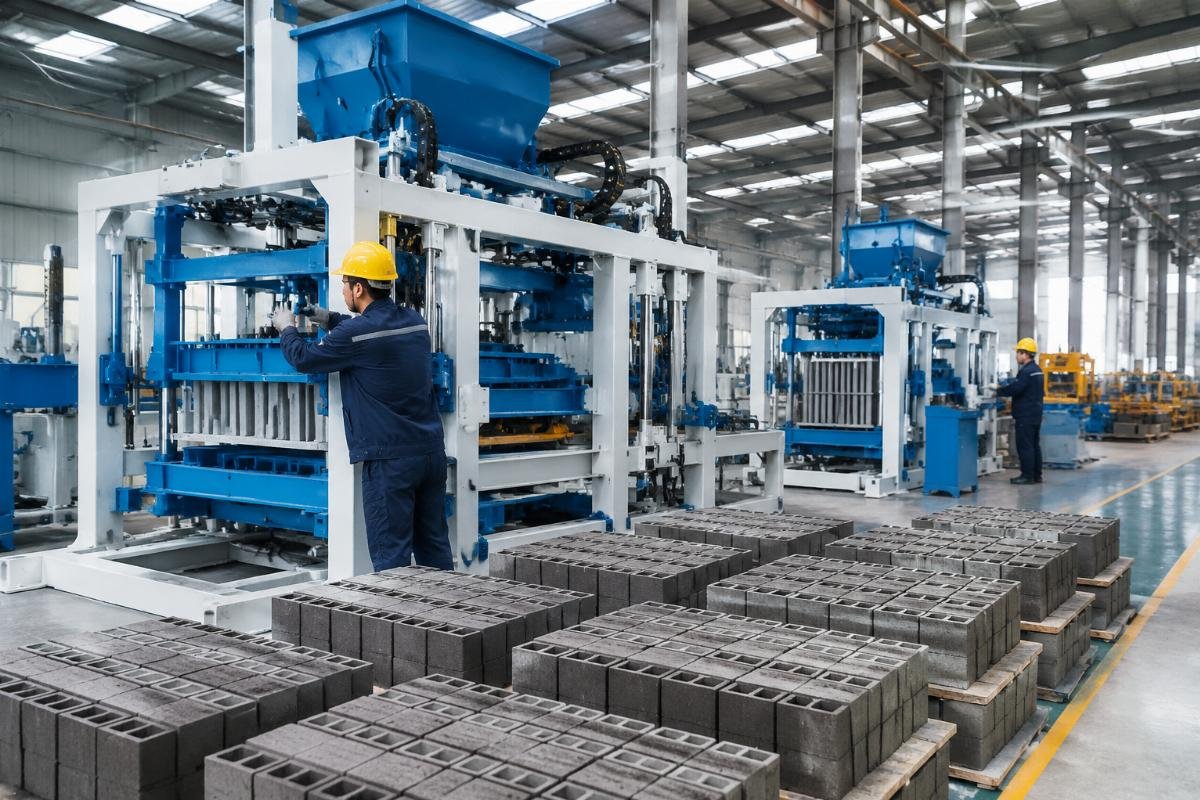

Leave a Reply