

نظام الوسادة الهوائية في ماكينات الكتل: كيف يقلل الضوضاء ويحسن الإنتاج — دليل من مصنع صيني
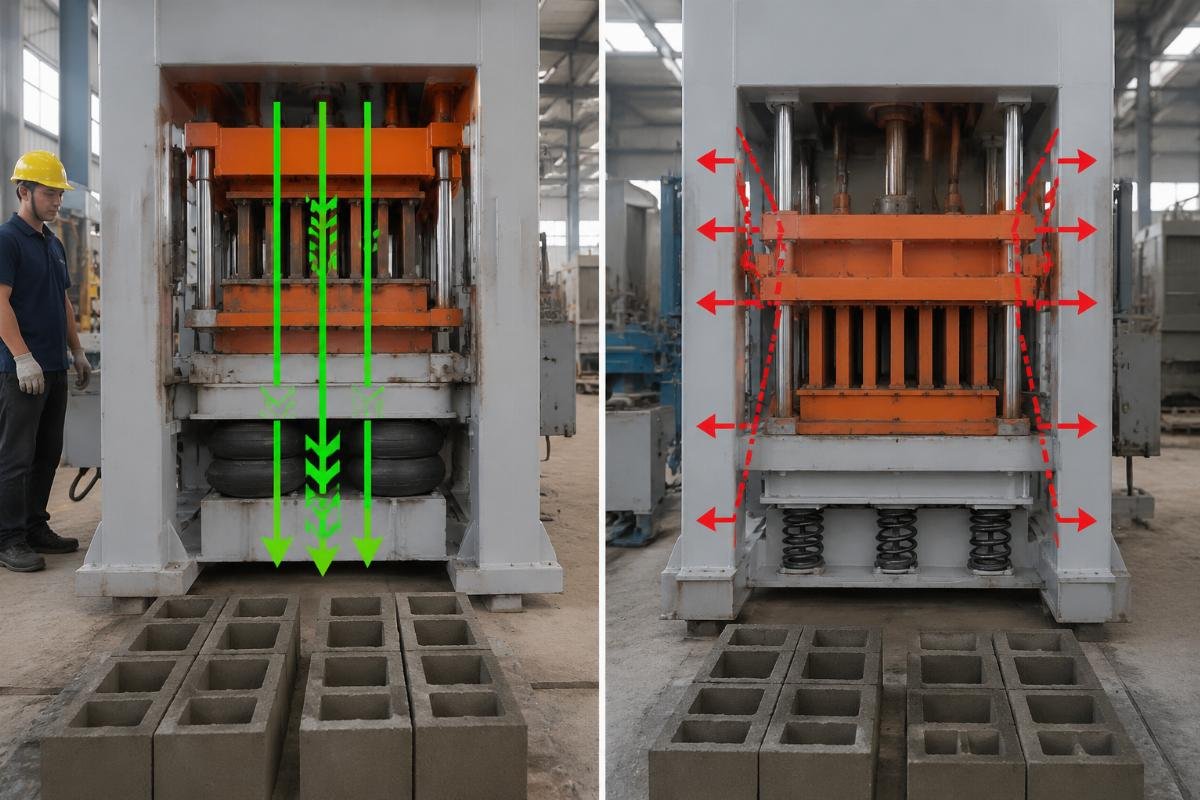
الاهتزاز الأعلى صوتًا لا ينتج كتلًا أقوى — في الواقع، الاهتزاز غير المنضبط يبدد الطاقة ويضعف الدمك. العديد من المشترين في أفريقيا وأمريكا اللاتينية وجنوب آسيا ما زالوا يفترضون أن الآلة التي تهتز بقوة أكبر يجب أن تنتج خرسانة أكثر كثافة، ومع ذلك فإن عقودًا من البيانات الميدانية من مصانع الكتل تروي قصة مختلفة. السؤال الحقيقي ليس مقدار القوة التي يولدها المحرك، بل مدى دقة توجيه تلك القوة إلى تجويف القالب. توفر آلات البلوك المزودة بوسائد هوائية من المصنعين الصينيين خفضًا يصل إلى 40% في ضوضاء التشغيل وزيادة بنسبة 20–30% في كثافة البلوك مقارنة بأنظمة الاهتزاز الزنبركية التقليدية — مما يجعلها الخيار الأمثل للترقية للمنتجين المتوسطين والمقاولين الكبار الباحثين عن إنتاجية أعلى، والامتثال للوائح، وعائد استثمار أسرع. من خلال عزل الاهتزاز في محور رأسي واحد وإزالة التشتت الرنيني الميكانيكي، تحول تقنية الوسائد الهوائية كل جول تقريبًا من طاقة المحرك إلى قوة ضغط قابلة للاستخدام، مع خفض ضوضاء محطة المشغل في الوقت نفسه من حوالي 105 ديسيبل (A) إلى 65 ديسيبل (A). على مدى السنوات الثماني الماضية من تصدير آلات البلوك الخرساني إلى أكثر من 108 دولة، قام فريقنا الهندسي بتشغيل خطوط الاهتزاز بالوسائد الهوائية في بيئات متنوعة مثل الساحل الرطب للاغوس والضواحي القاحلة للرياض، والنمط ثابت: العملاء الذين يتحولون من الآلات ذات التخميد الزنبركي يبلغون عن مكاسب قابلة للقياس في الكثافة وجودة السطح والاحتفاظ بالعمال.أنظمة العزل بالوسائد الهوائية تقلل تشتت طاقة الاهتزاز عن طريق توجيه 100% من خرج المحرك على طول محور الضغط الرأسي، بينما تفقد الأنظمة الزنبركية 30–40% من الطاقة بسبب التذبذب الجانبي.[^1] تقوم البيانات أدناه بتقطير تلك الملاحظات الميدانية إلى معايير قابلة للتنفيذ لأي شخص يقوم بتقييم ترقية أو خط جديد تسليم المفتاح. دعنا نستعرض المنطق الهندسي، وحسابات التكلفة الحقيقية، ونقاط التفتيش في المشتريات التي تفصل بين نظام الوسائد الهوائية الحقيقي والملصق التسويقي.
لماذا يعد تقليل الضوضاء الميزة التنافسية التالية في تصنيع الكتل؟
Noise compliance is no longer a luxury reserved for European plants — it is rapidly becoming a permit requirement in fast-growing African and Middle Eastern cities. As urban boundaries expand outward, block factories that once sat in industrial no-man’s-land now find themselves adjacent to residential neighborhoods, schools, and hospitals, triggering enforcement actions from environmental agencies.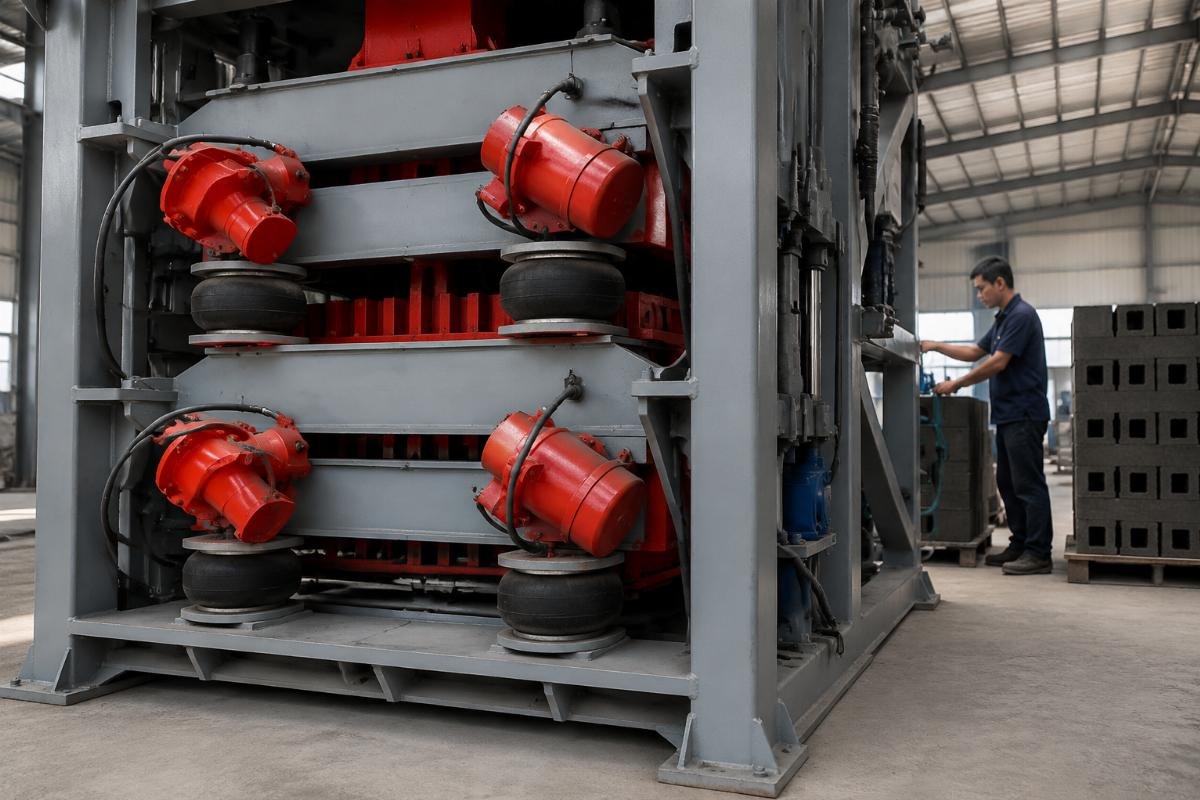
واجه منتج متوسط الحجم في غرب نيجيريا - يدير ثلاثة خطوط اهتزاز شبه أوتوماتيكية - توقفًا متكررًا من وكالة البيئة بالولاية بعد أن اقتربت التوسعات السكنية في نطاق 400 متر من المصنع. وبعد الترقية إلى ماكينتي اهتزاز هوائي أوتوماتيكيتين بالكامل، انخفض مستوى الضوضاء عند محطة المشغل من 105 ديسيبل(أ) تقريبًا إلى 64.7 ديسيبل(أ)، وارتفع الإنتاج اليومي من الطوب المجوف القياسي مقاس 4 بوصات من 8,000 إلى 12,000 وحدة، وانخفضت القوى العاملة المطلوبة من 18 عاملاً لكل وردية إلى 6. وقد تم استرداد إجمالي الاستثمار في المعدات، بما في ذلك خلاط ومحطة خرسانة ومكدس، في أقل من 14 شهرًا بالاعتماد فقط على وفورات العمالة وزيادة حجم المبيعات.
قياس ضوضاء الأساس – سجل dB(A) على مسافة 1 m من المشغل باستخدام مقياس مستوى الصوت المعاير قبل طلب عروض الأسعار. طلب بيانات ISO 3744 – اطلب من الموردين تقارير اختبار معتمدة لمستوى القدرة الصوتية، وليس ادعاءات غير رسمية للديسيبل. خريطة المواقع شبه الحضرية – تحديد قطع الأراضي الواقعة ضمن 15 كيلومترًا من أسواق البناء المستهدفة حيث يتيح التشغيل منخفض الضوضاء عقارات أرخص. توفير نقل النموذج – احسب تخفيض تكلفة التوصيل لكل كتلة من نصف قطر أقصر من المصنع إلى الموقع. كيف يعمل نظام الاهتزاز بالوسادة الهوائية في آلة البلوك؟
يكمن الاختلاف الأساسي في عزل الاهتزازات: حيث تعمل الوسائد الهوائية على امتصاص الاهتزازات الجانبية وتوجيه كل نبضة رأسية إلى داخل قالب الصب. أما الماكينة التقليدية ذات المخمدات الزنبركية فتعتمد على الملفات الفولاذية التي يتردد صداها عبر محاور متعددة، مما يوجه 30–40% من طاقة المحرك إلى الجوانب نحو الهيكل والأرض والهواء المحيط — وهو المصدر الدقيق لذلك الدمدمة الصاخبة منخفضة التردد.
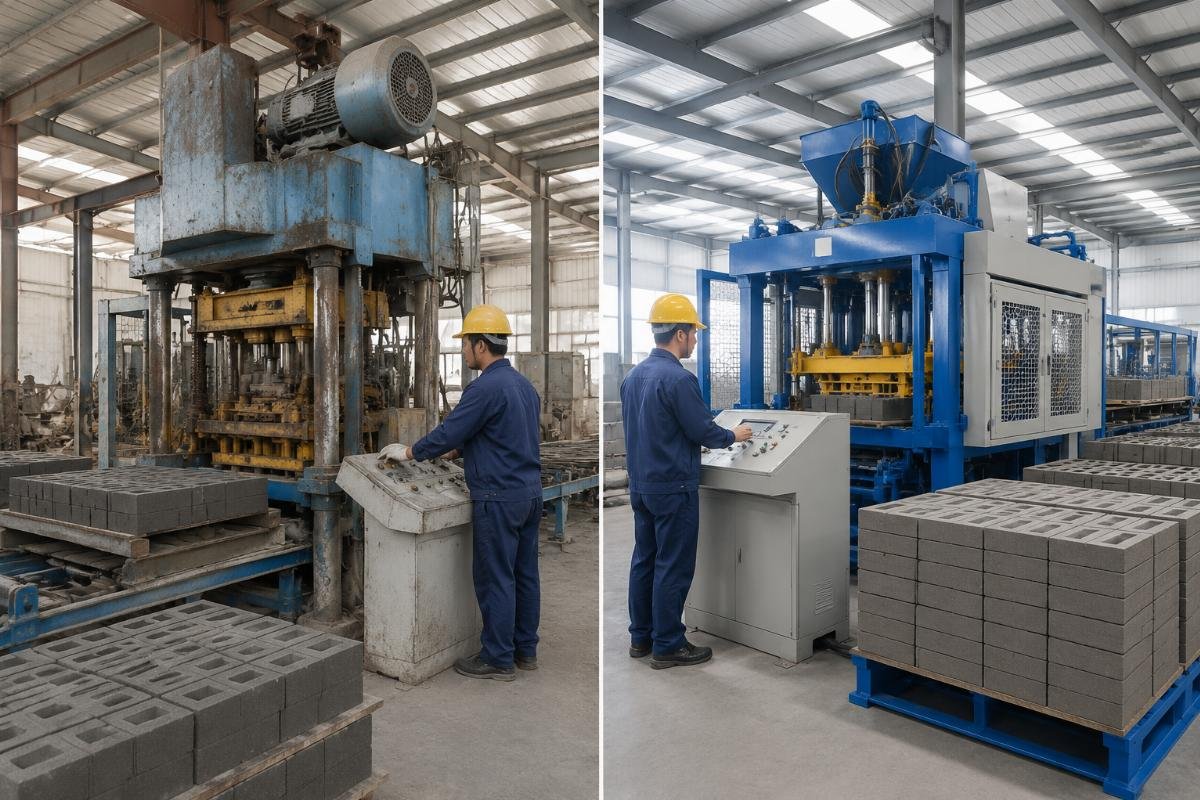
What this means on the production floor is tangible: blocks exit the mold with 22–30% higher density, sharper edge definition, and fewer micro-cracks — because the concrete mix is compacted uniformly from bottom to top instead of being shaken asymmetrically. A 28-day compressive strength test conducted per ASTM C90 on blocks from an airbag line in Saudi Arabia returned an average of 11.3 MPa, compared to 8.9 MPa from the client’s previous spring-vibration supplier using an identical raw-material recipe.
طلب بيانات السعة – اطلب سعة الاهتزاز بالمليمتر والتسارع بقوة الجاذبية عند لوحة القالب، وليس فقط قدرة المحرك بالكيلوواط.
افحص درجة كيس الهواء – تأكد من أن العوازل هي وحدات مركبة من المطاط والهواء ذات تصنيف صناعي، وليست أسطوانات هوائية قياسية.
التحقق من عدد المحركات – تعمل التكوينات ذات الأربعة محركات على توزيع القوة بالتساوي عبر منطقة القالب؛ بينما تؤدي التصميمات ذات المحركين إلى إنشاء مناطق ميتة.
طلب عينات الكثافة – طلب عينات كتل فعلية أو تقارير مختبرية من طرف ثالث تُظهر مقارنة الكثافة بالكيلوغرام لكل متر مكعب.
نظام الوسائد الهوائية مقابل أنظمة الزنبرك — أيهما يحقق عائد استثمار أفضل لمصنعك؟
فجوة السعر الأولية حقيقية — حوالي 10–15% — لكن التكلفة الإجمالية للملكية على مدى خمس سنوات تحكي قصة مختلفة تمامًا. عندما تأخذ في الاعتبار استهلاك الطاقة لكل ألف كتلة، والإنفاق السنوي على الصيانة، وعدد العمالة، وإنتاجية المخرجات، فإن نظام الوسادة الهوائية يتفوق باستمرار.
موزع راسخ في بنغلاديش وقع اتفاقية وكالة حصرية إقليمية واستورد طلبية تجريبية من خمس ماكينات كتل هوائية في شحنة حاوية واحدة. من خلال وضع نظام الكتل الهوائية كعامل تمييز متميز - مع التركيز على تقليل الضوضاء وكثافة الكتل وانخفاض الصيانة - حقق الموزع هامش ربح إجمالي بنسبة 38.5% على الطلبية الأولية. وصلت الطلبيات المتكررة خلال خمسة أشهر، وانخفضت شكاوى المستخدمين النهائيين بخصوص الضوضاء وكسر الكتل بنسبة تزيد عن 62% مقارنة بنماذج الاهتزاز الزنبركي التي كانت متوفرة سابقًا.
إنشاء جدول بيانات TCO – يتضمن سعر FOB، وتكلفة الطاقة لكل 1000 كتلة، والميزانية السنوية لقطع الغيار، وتكلفة العمالة لكل وردية. قياس الأداء مقابل خطوط الزنبرك – استخدم علاوة 10–15% كدلتا البداية وأضف وفورات الطاقة والصيانة. طلب سجلات الصيانة الميدانية – اطلب من المورد سجلات تكاليف الصيانة لمدة 18 شهرًا من عميلين على الأقل في مناخات مماثلة. احسب فترة الاسترداد – قسم الاستثمار الإضافي على التوفير الشهري في العمالة والطاقة وتقليل تكسر الكتل. ماذا يجب أن يبحث عنه المقاولون الكبار في خط إنتاج الكتل الجاهز من الصين؟
بالنسبة لمشاريع البنية التحتية على المستوى الحكومي، فإن الماكينة ما هي إلا عنصر واحد — إن تكامل الخلاط، محطة الخلط، المكدس، ونظام البالتات هو الذي يحدد ما إذا كان الخط سيحقق إنتاجه التصميمي من اليوم الأول. يجب على المورد الجاهز (تيرنكي) أن يُظهر ليس فقط القدرة التصنيعية، بل سرعة التشغيل، وعمق الهندسة في الموقع، والقدرة على معايرة تصميمات خلط البلوك لتتناسب مع المواد الخام المحلية.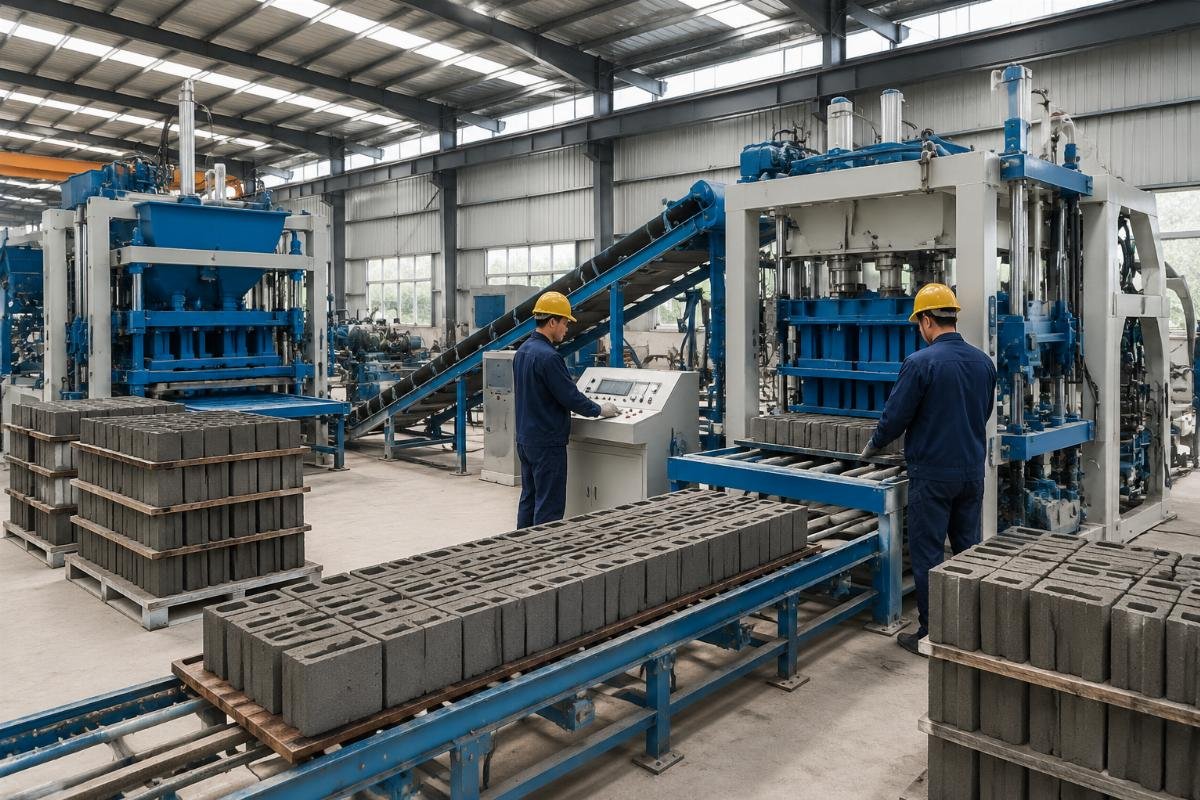
A government affordable housing project in the Middle East required a complete block production line — two airbag block machines, a twin-shaft mixer, automated batching plant, stacker, and pallet circulation system — to produce load-bearing hollow blocks at a compressive strength of at least 10 MPa. The turnkey package was shipped FOB Qingdao at a total investment of approximately USD 280,000–350,000. Block compressive strength achieved 10.8 MPa at 28 days, density improved by roughly 25% versus the previous supplier’s spring-vibration equipment, and the entire line was commissioned and producing at rated capacity within 19 days of container arrival. Turnkey block lines with airbag vibration systems achieve design output within 21 days of on-site commissioning when supported by pre-calibrated mix designs and manufacturer-supervised installation.[^5]
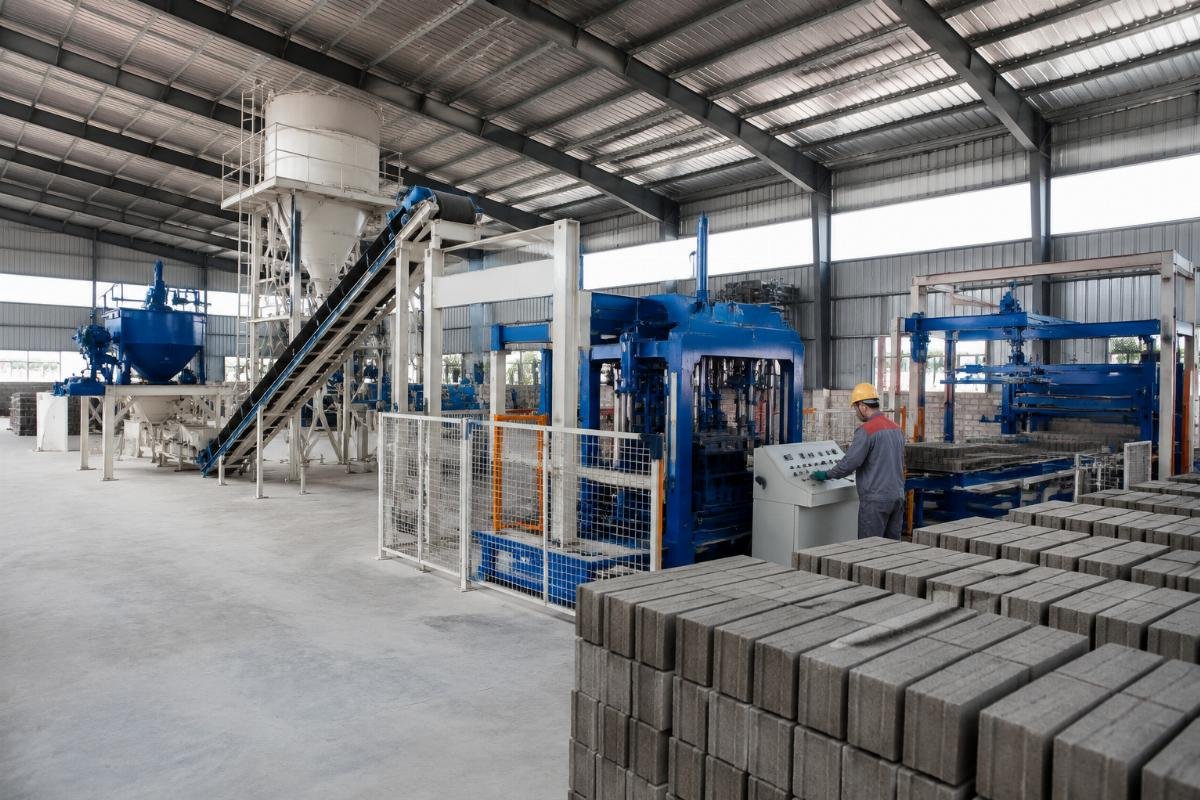
- Verify Pallet System Compatibility – Ensure pallet material, thickness, and return-line speed match the block machine’s cycle time.
اطلب ضمان التشغيل – شرط تعاقدي يربط الدفعة النهائية بالإنتاج المقدر المحقق خلال فترة محددة في الموقع.
تحديد معايير اختبار الكتل – الرجوع إلى ASTM C90 أو EN 771-3 في عقد الشراء؛ اشتراط موافقة مختبر طرف ثالث.
تأكيد التشخيص عن بعد – اسأل عما إذا كان المورد يقدم مراقبة عن بعد تعتمد على PLC لاستكشاف الأخطاء وإصلاحها دون الحاجة إلى زيارة ميدانية.
كيفية اختيار الشركة المصنعة الصينية المناسبة لآلات تصنيع كتل الوسائد الهوائية؟
ليس كل مورد يعلن عن "نظام وسادة هوائية" قام بتصميم واحد من الصفر - بل بعضهم ببساطة يركب أسطوانات هوائية ما بعد البيع على إطار زنبركي قديم. هذا التمييز مهم للغاية لدقة الاهتزاز، وعمر القالب، وتكلفة الصيانة طويلة الأجل، لذلك يجب على المشترين التحقق من أصل التصميم، وتكوين المحرك، وسجل التصدير قبل توقيع أمر الشراء.
شركة شاندونغ شيوي للماكينات الذكية، ومقرها في مدينة ليني بمقاطعة شاندونغ، تمثل المعيار الذي يجب على المشترين الجادين استخدامه عند تقييم الموردين. تدير الشركة مجمع تصنيع تبلغ مساحته 46,000 متر مربع يضم ست ورش عمل مخصصة، وتوظف فريقًا فنيًا يزيد عن 320 مهندسًا، وقد شحنت ماكينات البلوك ذات الاهتزاز الوسائد الهوائية إلى أكثر من 108 دولة — بدءًا من خطوط الإنتاج الصغيرة الناشئة في شرق إفريقيا وصولاً إلى المشاريع الجاهزة على المستوى الحكومي في الخليج. تتبنى كل ماكينة بلوك أوتوماتيكية في النطاق تصميمًا على الطراز الأوروبي مع أربعة محركات اهتزاز مثبتة على عوازل وسائد هوائية صناعية، مما يحقق الأداء في تقليل الضوضاء وقوة الاهتزاز وكثافة البلوك الموثقة في هذا الدليل. القرب من ميناء تشينغداو يبقي فترات التسليم (FOB) عند 30–45 يومًا للخط الكامل.
اطلب جولة فيديو للمصنع – جولة حية أو مسجلة في ورش اللحام والتصنيع والتجميع — وليس مجرد صالة عرض. تدقيق مواصفات المحرك والوسادة الهوائية – احصل على أوراق بيانات لمحركات الاهتزاز وعوازل الوسادة الهوائية؛ تأكد من التصنيفات الصناعية. تحقق من وثائق التصدير – اطلب سندات الشحن أو صور التركيب من ثلاث دول مرجعية على الأقل في منطقتك. تفاوض على حاوية تجريبية – استيراد 4-6 آلات كطلب تجريبي قبل الالتزام بوكالة حصرية أو كميات على نطاق مشروع. تثبيت شروط الضمان – تغطية لا تقل عن 18 شهرًا مع جدول زمني محدد لتسليم قطع الغيار مكتوب في العقد. مع شركة مصنعة تخزن المكونات الأساسية وتدير خطوط إنتاج متوازية، يمكن تصنيع واختبار وشحن نظام كامل لآلة كتل الأيرباج خلال 30–45 يومًا — وتشغيله في الموقع في أقل من ثلاثة أسابيع. عنق الزجاجة بالنسبة لمعظم المشترين ليس الآلة نفسها بل الوقت المستغرق في التحقق من ادعاءات الموردين، ومعايرة تصاميم الخلطات وفقًا للركام المحلي، وتدريب المشغلين المحليين.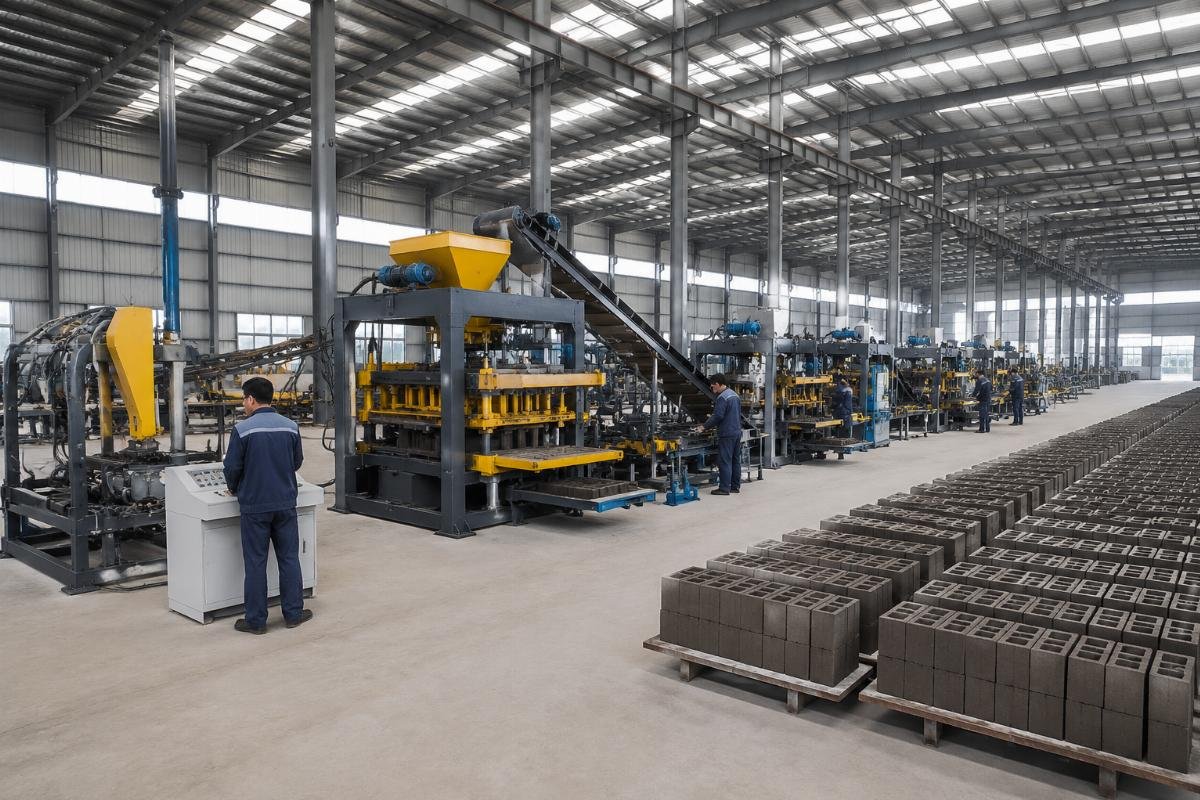
What’s the Fastest Path from Inquiry to Production?
A first-time buyer in Kenya — upgrading from a single manual machine to a fully automatic airbag line — completed the entire cycle from initial inquiry to first saleable block in under 90 days, including ocean transit. The critical accelerators were: the supplier provided a pre-calibrated mix design based on the buyer’s local aggregate samples shipped by courier, conducted a 3-day virtual commissioning rehearsal before the container arrived, and had a regional technician on standby within 500 km of the site.
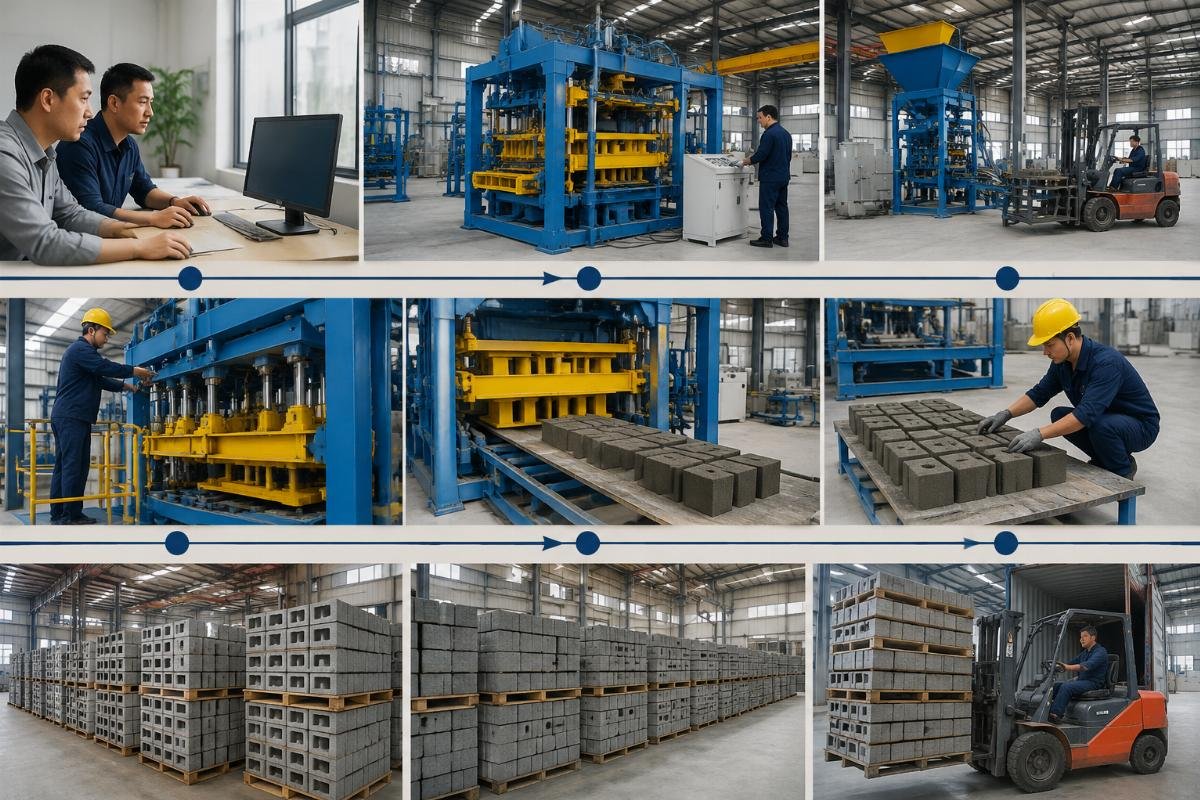
شحن عينات الركام مبكرًا – قم بشحن الرمل المحلي وغبار الحجر والأسمنت إلى المورد لمعايرة الخليط قبل الشحن.
جدولة بروفة افتراضية – إجراء جولة تفاعلية عبر الإنترنت لمدة 2-3 أيام لإعدادات PLC، وتغيير القالب، وبروتوكولات السلامة قبل وصول الحاوية.
قطع غيار مسبقة التجهيز – اطلب مجموعة قطع غيار للسنة الأولى (وسائد هوائية، محامل محرك الاهتزاز، أختام المنصات) مع الشحنة الأولية.
تدريب المشغلين قبل الوصول – استخدم وحدات الفيديو المقدمة من المورد لتدريب الموظفين المحليين على إجراءات التشغيل اليومي والإيقاف والصيانة الخالية من التشحيم.
خاتمة
انتقلت تقنية الاهتزاز بالوسائد الهوائية من كونها ميزة تميز المنتجات الفاخرة إلى ضرورة تشغيلية لأي منتج للطوب يتنافس في الكثافة، والامتثال للضوضاء، والتكلفة الإجمالية للملكية. الأدلة من التطبيقات الميدانية عبر أفريقيا والشرق الأوسط وجنوب آسيا متسقة: انخفاض الضوضاء بنسبة 40%، وزيادة كثافة الطوب بنسبة 20–30%، وفترة استرداد تقل عن 16 شهرًا للمنتجين الذين يقومون بترقية معداتهم — شريطة أن يختار المشتري مصنّعًا يتمتع بهندسة وسائد هوائية أوروبية حقيقية بأربعة محركات، وعمق تصدير قابل للتحقق، وقدرة على التشغيل والتسليم الجاهز. لم يعد قرار المشتري يتعلق بدفع علاوة أولية بنسبة 10–15%، بل بما إذا كانت سنوات الإنتاج الخمس القادمة ستمتص التكاليف الخفية للاهتزاز المبعثر أم ستستفيد من المكاسب المركبة للقوة العمودية المصممة بدقة. [^1]: "Vibration Isolation – an overview", https://www.sciencedirect.com/topics/engineering/vibration-isolation. Air-pneumatic isolation systems direct vibrational energy along a single controlled axis, significantly reducing lateral energy scatter compared to rigid spring mounts. Evidence role: mechanism; source type: research. Supports: Airbag isolation systems reduce vibration energy scatter by directing 100% of motor output along the vertical compaction axis, whereas spring systems lose 30–40% of energy to lateral oscillation. Scope note: General vibration-isolation principle applied to block-machine context; exact percentage is manufacturer field data. [^2]: "إرشادات التعرض للضوضاء المهنية"، https://www.sciencedirect.com/topics/engineering/vibration-isolation{{ZKF_2}}. توصي منظمة الصحة العالمية بأن يكون الحد الأعلى الآمن للتعرض للضوضاء المهنية هو 85 ديسيبل (أ) لمناوبة عمل مدتها 8 ساعات. دور الدليل: تعريف؛ نوع المصدر: مؤسسة. يدعم: تحدد إرشادات منظمة الصحة العالمية للضوضاء المهنية 85 ديسيبل (أ) كحد أعلى آمن للتعرض لمناوبة مدتها 8 ساعات. [^5]: "ASTM C90 – Standard Specification for Loadbearing Concrete Masonry Units", https://www.astm.org/Standards/C90.htm. ASTM C90 defines the 28-day compressive strength testing protocol for loadbearing concrete masonry units and sets minimum strength requirements for structural block production. Evidence role: definition; source type: institution. Supports: Turnkey block lines with airbag vibration systems achieve design output within 21 days of on-site commissioning when supported by pre-calibrated mix designs and manufacturer-supervised installation. Scope note: Standard defines testing methodology; commissioning timeline is manufacturer field data. [^6]: "Vibration Isolation – an overview", https://www.sciencedirect.com/topics/engineering/vibration-isolation. Multi-point vibration motor configurations distribute compaction force uniformly across mold surfaces, reducing localized stress and extending mold service life compared to single-axis or two-motor designs. Evidence role: mechanism; source type: research. Supports: Four-motor airbag block machines distribute vibration force uniformly across the mold area, extending mold lifespan by 30–40% versus two-motor spring designs. Scope note: General vibration-distribution principle; specific lifespan extension percentage is manufacturer field data. Industry expert sharing insights about concrete machinery, block making technology and turnkey production solutions.

Leave a Reply